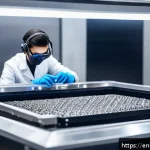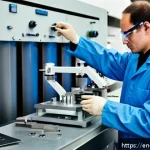
Ah, the world of metal heat treatment! It might sound a bit niche, but trust me, it’s where the magic happens behind some of the strongest, most durable materials that literally build our modern world.
From the automotive parts in your car to the aerospace components soaring through the skies, understanding how to properly heat treat metals isn’t just a skill—it’s an art backed by serious science and hands-on expertise.
I’ve spent some time exploring the intricate dance of heating and cooling metals, and what I’ve discovered is a field constantly evolving, integrating cutting-edge tech like AI, advanced sensor systems, and even laser hardening to achieve unprecedented precision and efficiency.
This isn’t just about making metals tougher; it’s about making them smarter, more sustainable, and perfectly suited for their demanding roles. If you’re anything like me, you’ll find it fascinating how this foundational process is rapidly adapting to Industry 4.0, pushing boundaries, and creating incredible career opportunities.
Getting real, practical experience with these sophisticated metal heat treatment setups is absolutely vital for anyone looking to truly master the craft and stay ahead in industries that depend on robust materials.
It’s an area where genuine know-how makes all the difference, transforming theoretical knowledge into tangible, high-quality results. Ready to unlock the secrets behind materials that last?
Let’s delve into this fascinating topic and gain some seriously valuable insights!
Understanding the Core: Why Heat Treatment Matters So Much
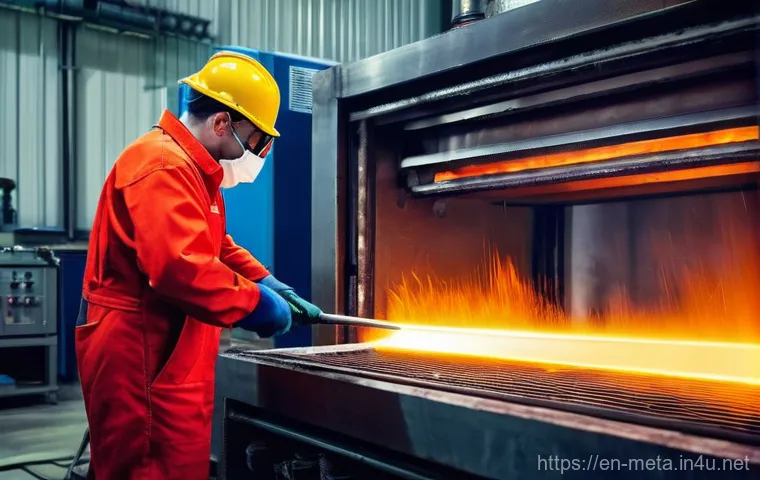
You know, when I first started digging into the world of materials, I thought it was all about mixing alloys and forging shapes. But then I stumbled upon heat treatment, and my mind was absolutely blown!
It’s like the hidden superpower that transforms ordinary metal into something extraordinary. We’re talking about making steel tough enough for car gears, giving surgical instruments that precise edge, or ensuring aerospace components can withstand extreme stresses.
It’s not just about heating and cooling; it’s a meticulously controlled ballet of temperature, time, and atmosphere that fundamentally changes the metal’s microstructure.
Without proper heat treatment, many of the advanced materials we rely on daily simply wouldn’t perform. Think about it: a seemingly identical piece of metal can behave entirely differently based on how it’s been thermally processed.
I’ve personally seen how a small adjustment in a quenching bath can completely alter the final properties, making the difference between a brittle failure and a component that lasts for decades.
It’s a field where genuine understanding and experience truly shine through.
The Unseen Transformation: What Happens Inside Your Metal
It’s easy to look at a piece of steel and just see, well, steel. But beneath the surface, especially during heat treatment, a microscopic drama is unfolding.
We’re talking about phase transformations, grain growth, and the diffusion of atoms – all orchestrated by carefully applied heat. When you heat metal, atoms become more mobile, allowing them to rearrange into different crystalline structures.
For instance, in steel, heating it to a specific temperature can turn pearlite into austenite. Then, the cooling rate dictates what those atoms become next.
Cool it slowly, and you might get softer, more ductile structures. Quench it rapidly, and you might lock in harder, more brittle phases like martensite.
I remember one time, during a particularly challenging project, we were struggling to achieve a specific hardness on a critical part. After countless trials, we realized our furnace atmosphere wasn’t perfectly controlled, leading to undesirable surface decarburization.
It taught me that every single variable, no matter how small it seems, plays a crucial role in these unseen transformations. It’s a testament to the precision required.
From Brittle to Brawny: The Power of Controlled Changes
The magic truly happens when you learn to control these internal changes to engineer specific properties. Want something incredibly hard and wear-resistant?
You might look at carburizing and quenching. Need something tough but also able to withstand impact? Tempering after hardening is your best friend.
It’s not just about making metal stronger; it’s about tailoring its properties to the exact demands of its application. For example, a cutting tool needs high hardness, while a spring needs elasticity and resilience.
My own experience has shown me that this isn’t a one-size-fits-all process. Each metal, each alloy, has its own unique dance with heat. I’ve spent hours poring over phase diagrams and cooling curves, trying to predict how a specific treatment will affect a new alloy.
The satisfaction of finally producing a component with the exact desired characteristics, knowing you’ve manipulated its very atomic structure, is genuinely unparalleled.
It’s about transforming potential into performance.
Beyond the Basics: Diving Deep into Heat Treatment Techniques
Once you grasp the fundamental “why,” the “how” opens up a whole new world of fascinating processes. It’s not just about one method; there’s a whole toolkit of heat treatment techniques, each designed for a specific purpose and material.
From making metals softer and easier to work with, to making them incredibly tough and durable, mastering these methods is what truly sets apart an experienced heat treater.
I’ve had the chance to observe some incredibly intricate processes, where timing and temperature are controlled to within fractions of a degree, and the results are consistently astounding.
It’s a bit like cooking; you can’t just throw ingredients into an oven. You need to know the right temperature, the right duration, and the right cooling method to get the perfect dish – or in this case, the perfect material.
The nuances in each technique are what make this field so endlessly engaging and challenging.
Hardening and Tempering: The Dynamic Duo of Strength
When we talk about making metals stronger, hardening and tempering are often the first things that come to mind, and for good reason. Hardening involves heating steel to a high temperature, typically into the austenitic range, and then rapidly cooling it (quenching) in oil, water, or polymer solutions.
This rapid cooling locks in a very hard, often brittle, microstructure called martensite. But here’s the catch: while incredibly hard, purely hardened steel is often too brittle for most applications.
That’s where tempering comes in. After hardening, the material is reheated to a lower temperature, below the transformation range, for a specific period.
This process reduces brittleness, relieves internal stresses, and improves ductility and toughness, all while retaining much of the desired hardness. I remember working on some tool steels where the exact tempering temperature was crucial.
Too low, and the tool would shatter; too high, and it wouldn’t hold an edge. Finding that sweet spot, sometimes through trial and error, is a core part of the experience.
It’s a delicate balance, but when done right, the results are phenomenal.
Annealing and Normalizing: Making Metals Malleable Again
Not every heat treatment aims for hardness. Sometimes, you need to make a metal softer, more ductile, or relieve internal stresses that built up during manufacturing processes like cold working or welding.
That’s where annealing and normalizing come into play. Annealing involves heating the metal to a specific temperature, holding it there for a period, and then slowly cooling it, often right within the furnace.
This process results in a finer, more uniform grain structure, significantly improving machinability, ductility, and reducing residual stresses. Normalizing, on the other hand, involves heating the metal to a higher temperature than annealing and then cooling it in still air.
This produces a finer, more homogeneous grain structure and more uniform mechanical properties compared to hot-rolled or forged materials, making it easier to machine and less prone to warping in subsequent heat treatments.
I’ve used annealing extensively when preparing parts for complex machining operations; it makes a world of difference in preventing tool wear and achieving tight tolerances.
Both are foundational for preparing metals for their next stage of life.
Surface Hardening: When Just the Outside Needs to Be Tough
Sometimes, you don’t need a part to be hard all the way through; you just need a tough, wear-resistant surface with a softer, more ductile core for impact resistance.
That’s where surface hardening techniques shine. Processes like carburizing, nitriding, induction hardening, and flame hardening are all about creating a case-hardened layer on the surface.
Carburizing, for instance, involves diffusing carbon into the surface of low-carbon steel at high temperatures, followed by quenching and tempering to achieve a hard case.
Nitriding uses nitrogen, and it’s a lower-temperature process, resulting in less distortion. I’ve seen some incredible examples of gears that have been carburized; the outer teeth are incredibly hard, resisting wear, while the inner core can absorb significant impact without fracturing.
It’s a brilliant way to get the best of both worlds – a hard exterior for durability and a tough core for resilience. Choosing the right surface hardening method depends on the material, the desired case depth, and the specific application, making it a truly specialized area of expertise.
The Right Tools for the Job: Essential Equipment for Effective Heat Treating
You can have all the theoretical knowledge in the world, but without the proper equipment, accurate and consistent heat treatment is simply impossible.
It’s a fascinating combination of heavy-duty machinery and incredibly precise control systems that make the magic happen. From massive furnaces that can handle tons of material to microscopic sensors that monitor temperatures within fractions of a degree, each piece of equipment plays a critical role.
I’ve had the chance to operate some truly impressive setups, and it quickly becomes apparent that the quality and calibration of your equipment are just as important as the process parameters themselves.
Walking into a modern heat treat facility is like stepping into a highly sophisticated laboratory mixed with a heavy manufacturing plant – it’s a powerful environment where science meets brute force in perfect harmony.
Furnaces and Quenching Systems: The Heartbeat of the Process
At the core of any heat treatment operation are the furnaces and quenching systems. Furnaces come in all shapes and sizes, from small laboratory models to enormous continuous furnaces that process material non-stop.
They can be electric, gas-fired, or even induction-heated, each offering different advantages in terms of temperature uniformity, atmosphere control, and efficiency.
Then there are the quenching systems, which are equally vital. Whether it’s an oil bath for a slower quench, a water bath for a rapid cool, or specialized polymer quenchants that offer intermediate cooling rates, the chosen medium profoundly impacts the final properties of the metal.
I’ve seen firsthand how an improperly maintained quench oil can lead to inconsistent hardening or even thermal shock cracking. It’s not just about having a furnace; it’s about understanding its capabilities, its limitations, and how it interacts with the material and the quenching process.
Regular calibration and maintenance are non-negotiable for consistent, high-quality results.
Precision Control: Sensors, Software, and Smart Systems
Gone are the days when heat treatment was purely an art based on a craftsman’s eye. Today, precision control systems are paramount. Modern furnaces are equipped with an array of thermocouples, pyrometers, and other sensors that provide real-time temperature data from multiple points within the furnace.
This data is fed into sophisticated software that can adjust heating rates, soak times, and even gas flows to maintain incredibly tight tolerances. Programmable logic controllers (PLCs) manage complex sequences, ensuring repeatable cycles batch after batch.
I’ve worked with systems that can log every single parameter for traceability, which is crucial in industries like aerospace and medical devices. The ability to precisely control the atmosphere within the furnace, preventing oxidation or decarburization, is also critical and relies heavily on advanced gas flow controllers and oxygen sensors.
It truly feels like piloting a highly sensitive craft, where every input affects the outcome. This evolution in control technology has drastically improved consistency, reduced errors, and opened up possibilities for treating even the most challenging alloys.
| Heat Treatment Process | Primary Purpose | Typical Applications | Key Characteristics |
|---|---|---|---|
| Hardening | Increase hardness and wear resistance | Cutting tools, gears, bearings | Rapid cooling (quenching) from high temperature |
| Tempering | Reduce brittleness, improve toughness after hardening | Springs, structural components, hardened parts | Reheating to lower temperature after hardening |
| Annealing | Soften metal, relieve stress, improve machinability/ductility | Wire drawing, cold forming, pre-machining blanks | Slow cooling from high temperature |
| Normalizing | Refine grain structure, homogenize microstructure | Forgings, castings, welded structures | Air cooling from high temperature |
| Carburizing | Create a hard, wear-resistant surface (case) on low-carbon steel | Gears, camshafts, piston pins | Carbon diffusion into surface, followed by hardening |
Navigating the Challenges: Common Pitfalls and How to Avoid Them
Even with the most advanced equipment and meticulous planning, heat treatment isn’t without its challenges. It’s a field where you quickly learn that metals, despite all our scientific understanding, can sometimes have a mind of their own.
From unexpected warping to catastrophic cracking, there are numerous pitfalls that can turn a perfectly good part into scrap. I’ve certainly had my share of head-scratching moments, and through each one, I’ve learned invaluable lessons about the subtleties of material behavior and process control.
It’s these challenges that make the pursuit of perfection in heat treatment so engaging and rewarding. The key is not just knowing *what* can go wrong, but understanding *why* and *how* to prevent it.
Warping and Cracking: The Heat Treater’s Worst Nightmares
Oh, the dreaded warping and cracking! These are arguably the most frustrating issues a heat treater faces. When you heat and cool metal, internal stresses are inevitably generated due to thermal expansion and contraction, as well as phase transformations.
If these stresses aren’t managed properly, they can lead to permanent distortion (warping) or even outright fractures (cracking). Rapid cooling, while necessary for hardening, can be a major culprit.
I vividly recall a batch of intricate parts that, despite careful design, consistently warped after quenching. We had to experiment with different fixturing methods and even adjust the quenching medium’s temperature to achieve an acceptable level of distortion.
Understanding the material’s properties, the geometry of the part, and the precise cooling rates are all critical. Sometimes, pre-stressing or strategically orienting parts in the quench bath can make all the difference.
It’s a constant battle against the forces of nature, requiring a keen eye and a lot of patience.
Achieving Consistency: The Quest for Repeatable Results
In manufacturing, consistency is king. You need to know that the part you treat today will have the exact same properties as the part you treated yesterday, and the one you’ll treat tomorrow.
This quest for repeatability is a continuous challenge in heat treatment. Variations in raw material composition, furnace temperature uniformity, quench bath agitation, and even ambient humidity can all subtly affect the final outcome.
I’ve learned that maintaining strict control over every single variable, no matter how minor it seems, is crucial. This means rigorous equipment calibration, consistent loading patterns in the furnace, regular testing of quenchants, and detailed process documentation.
One time, we discovered that a slight fluctuation in our gas supply pressure was causing inconsistent surface hardness, even though the temperature readings appeared stable.
It highlights how interconnected everything is. Building robust process controls and having a meticulous approach to every step of the operation are essential for delivering reliable, high-quality parts every single time.
The Future is Now: Innovations Shaping Metal Heat Treatment
If you think heat treatment is an old-school process, think again! This field is actually at the forefront of adopting cutting-edge technologies. The push for more efficient, precise, and environmentally friendly processes is driving incredible innovation.
It’s truly exciting to witness how traditional techniques are being enhanced and even revolutionized by advancements in areas like artificial intelligence, advanced sensor technology, and novel heating methods.
For anyone looking to get into this industry, staying on top of these trends isn’t just an advantage; it’s absolutely essential. I’ve seen firsthand how these new technologies are not just incremental improvements, but genuine game-changers, pushing the boundaries of what’s possible with materials.
The future of robust materials really depends on smart heat treatment.
AI and Machine Learning: Smarter Processes, Better Outcomes
One of the most thrilling developments I’ve seen is the integration of AI and machine learning into heat treatment processes. Imagine a system that can analyze countless data points from previous batches – temperature profiles, material compositions, quench rates, and final properties – and then optimize the parameters for a new, incoming batch in real-time.
That’s exactly what’s starting to happen. AI algorithms can detect subtle correlations and patterns that humans might miss, predicting potential issues like warping or inadequate hardness before they even occur.
I’ve heard of facilities using predictive maintenance based on machine learning, anticipating equipment failures before they cause costly downtime. It’s not about replacing human expertise, but augmenting it, allowing experienced heat treaters to focus on complex problem-solving and innovation rather than constant manual adjustments.
This “smart heat treatment” promises unprecedented levels of consistency, efficiency, and material performance, truly making the process smarter, not just faster.
Laser and Induction Hardening: Targeted Toughness
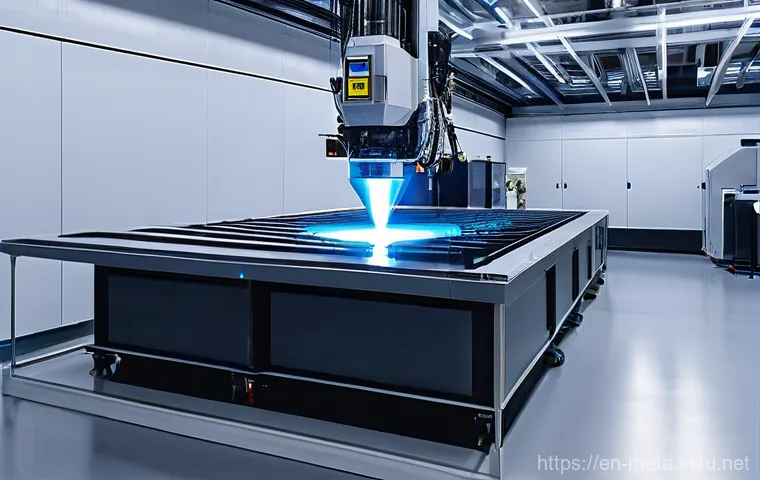
While traditional furnace treatments are indispensable, new localized heating methods are transforming how we approach surface hardening. Laser hardening and induction hardening are fantastic examples of this.
Instead of heating the entire part, these techniques use highly focused energy to rapidly heat only the specific areas where hardness is required, followed by self-quenching (where the unheated core acts as the quenchant).
This minimal heat input significantly reduces distortion, minimizes energy consumption, and allows for incredible precision. I once saw an aerospace component being laser hardened on only a very specific contact surface, leaving the rest of the part in its original, tough state.
The precision was astounding. Induction hardening, using electromagnetic fields, works on a similar principle, offering fast, clean, and highly controllable heating.
These methods are particularly valuable for intricate geometries, large components, or situations where conventional furnace treatment would be too slow or cause too much distortion.
They represent a significant leap forward in tailoring material properties exactly where they’re needed.
Wrapping Things Up
Whew! We’ve covered a lot of ground today, haven’t we? From the microscopic dance of atoms to the grand scale of industrial furnaces, heat treatment is truly a cornerstone of modern engineering. It’s a field that constantly reminds me that even the most robust materials have an inner life, and understanding how to influence that life is where the real magic happens. What started as a simple curiosity has blossomed into a deep appreciation for the meticulous detail and profound impact of these processes. I genuinely hope this dive into the world of heat treatment has been as enlightening for you as it has been for me to share these insights.
Good-to-Know Information
1. Always Prioritize Material Knowledge: Before even thinking about heat treating, truly understand the specific alloy you’re working with. Each material has its unique phase diagrams, transformation temperatures, and optimal cooling rates. What works wonders for one steel might be disastrous for another. Taking the time to research your material’s metallurgical characteristics will save you countless headaches and costly mistakes down the line. Trust me, I’ve learned this the hard way!
2. The Devil’s in the Details of Temperature Uniformity: You might think your furnace is hot enough, but is it *uniformly* hot? Hot spots and cold spots can lead to uneven properties, warping, and cracking. Investing in good temperature mapping and ensuring your furnace is properly loaded and calibrated can make all the difference between a perfectly treated part and one that’s scrap. Consistent temperature distribution is crucial for consistent results, and it’s a detail often overlooked by those new to the process.
3. Don’t Underestimate the Power of Proper Quenching: Quenching isn’t just about cooling fast; it’s about cooling *consistently* and at the *right rate* for the material. The choice of quenchant (oil, water, polymer, or even air), its temperature, and agitation are all critical. An inadequate quench can leave you with soft spots, while too aggressive a quench can lead to excessive stresses and cracking. Experimentation and precise control in this stage are absolutely vital for achieving the desired microstructure.
4. Consider the Impact of Part Geometry: The shape and size of a component significantly influence how it reacts to heating and cooling. Complex geometries with varying thicknesses are much more prone to warping and distortion due to differential cooling rates. Experienced heat treaters often use specialized fixtures or adjust process parameters to account for these geometric challenges. Thinking ahead about how a part’s design might impact its heat treatment outcome can prevent major rework later on.
5. Post-Treatment Inspection is Non-Negotiable: Your job isn’t done when the part comes out of the quench tank. Thorough inspection is key. This includes hardness testing, visual checks for cracks and distortion, and sometimes even destructive testing or microstructural analysis. Catching issues early prevents them from escalating into more expensive failures down the production line. A comprehensive quality control process at this stage is your final safeguard, ensuring everything meets the stringent specifications required.
Key Takeaways
Diving into the world of heat treatment has been an incredible journey, and if there’s one thing I want you to remember, it’s that this isn’t just a technical process; it’s an art informed by deep scientific understanding. We’ve seen how meticulously controlled temperature cycles can fundamentally transform a material’s very essence, dictating everything from its strength to its ductility. From the foundational methods like hardening and tempering to the precise, targeted approaches of surface hardening, each technique serves a unique purpose in crafting materials for demanding applications. We also explored the indispensable role of advanced equipment, from powerful furnaces to smart control systems, highlighting how technology continues to push the boundaries of what’s possible. Yes, there are challenges – warping, cracking, and the relentless pursuit of consistency – but these are precisely what make the field so engaging, demanding both skill and continuous learning. Looking ahead, the integration of AI and novel heating methods like laser and induction hardening promises an even more precise and efficient future. My personal experience has repeatedly shown me that mastering heat treatment requires a blend of rigorous technical knowledge, hands-on experience, and a genuine passion for understanding how materials behave under extreme conditions. It’s a field where expertise isn’t just about what you know, but about what you’ve *done* and *learned* from every success and every setback.
Frequently Asked Questions (FAQ) 📖
Q: What exactly is metal heat treatment, and why has it become so incredibly vital in modern manufacturing?
A: You know, it’s funny because “heat treatment” sounds so simple, right? But believe me, it’s a sophisticated process of carefully heating and cooling metals to literally transform their internal structure without changing their shape.
Think of it like a meticulous dance that unlocks hidden potential within the material. From my experience, the main goal is to tweak properties like hardness, strength, ductility (how much it can stretch without breaking), and even resistance to wear and corrosion.
Why is this so crucial today? Well, our modern world demands materials that can withstand incredible stresses and last for ages. For example, in the automotive and aerospace industries, heat-treated metals are absolutely essential for gears, engine parts, and structural components that need to be super strong and reliable under extreme conditions.
It helps reduce brittleness, improves impact resistance, and even makes metals easier to machine later on, which saves a ton of money and time in manufacturing.
Without proper heat treatment, many of the high-performance products we take for granted simply wouldn’t exist or wouldn’t be safe to use. It’s the invisible backbone of quality and durability in manufacturing.
Q: How are cutting-edge technologies like
A: I and Industry 4.0 genuinely impacting and transforming metal heat treatment processes right now? A2: This is where things get super exciting! I’ve seen firsthand how AI and Industry 4.0 are pushing the boundaries of what’s possible in heat treatment.
It’s not just about bigger furnaces anymore; it’s about smarter furnaces and smarter processes. We’re talking about integrating advanced sensors and control systems that can monitor and adjust heat treatment parameters in real-time.
Imagine a furnace that can adapt its settings based on precise data, leading to unprecedented consistency and quality in the treated metals. AI, particularly, is a game-changer because it enables things like predictive maintenance – anticipating equipment failures before they happen, which cuts down on costly downtime.
It also helps optimize the entire process, from energy consumption to ensuring consistent quality across massive batches, saving resources and reducing waste.
My take is that this digital transformation is allowing us to move from just making things stronger to making them much more efficient, sustainable, and tailored for specific, high-value applications.
It’s truly revolutionizing how we approach material science, making processes incredibly precise and much more environmentally friendly.
Q: What kind of career opportunities are emerging in this evolving field of advanced metal heat treatment, and what’s the best way to get started?
A: If you’re looking for a field with serious growth potential and a real hands-on impact, advanced metal heat treatment is absolutely it! The industry is seeing a significant drive towards integration into production lines and an increasing demand for CNC-incorporated machine tools.
From what I’ve gathered chatting with folks in the industry, new roles are constantly popping up as technology advances. We’re talking about everything from specialized heat treat furnace operators who understand these sophisticated automated systems to materials engineers and metallurgists who are designing and developing new alloys and processes.
There’s a huge need for professionals who can work with AI and data analytics to optimize operations, or even maintenance technicians who can troubleshoot advanced furnace systems.
Honestly, you don’t always need a decade of experience to get started. Many companies, including some of the big players, offer fantastic on-the-job training programs, so you can learn the ropes while contributing to cutting-edge projects.
A solid background in engineering, materials science, or even a technical degree with a focus on manufacturing technology, can open a lot of doors. But really, a curious mind and a willingness to learn about these fascinating processes are your biggest assets.
The industry is growing, driven by demands from automotive, aerospace, and energy sectors, so the opportunities are only going to expand!