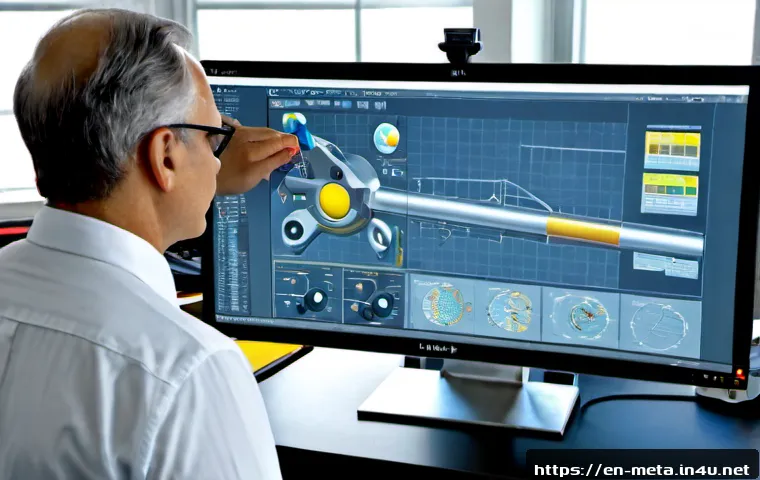
As the demand for advanced materials engineering grows, many aspiring professionals are gearing up for the Metal Materials Engineer exam—a crucial step toward career advancement in this dynamic field.

With recent updates in industry standards and evolving technology, understanding the exam’s difficulty has become more important than ever. Whether you’re a seasoned engineer or just starting out, knowing what to expect can make all the difference in your preparation strategy.
In this post, we’ll dive into the challenges ahead and share insights to help you approach the exam with confidence and clarity. Stick around—you’ll find tips and firsthand experiences that could turn the toughest questions into your strongest assets.
Understanding the Complexity of Exam Questions
Types of Questions You’ll Encounter
The Metal Materials Engineer exam typically blends theoretical knowledge with practical problem-solving. From my experience, the questions range from straightforward definitions and concepts to complex calculations involving material properties and processing techniques.
You might face multiple-choice questions that test your understanding of metallurgy fundamentals, as well as scenario-based problems requiring you to apply principles to real-world engineering challenges.
Don’t be surprised if you come across diagrams or charts that need careful interpretation. The key is to stay calm and methodically break down each problem rather than rushing through.
Common Areas That Challenge Candidates
Many candidates struggle with heat treatment processes and phase diagrams, which are core to understanding metal behavior. Personally, I found the phase transformation questions particularly tricky because they require not only memorization but also an ability to analyze how changes in temperature and composition affect material properties.
Another tough spot is the mechanical testing section, where you need to know the standards and procedures for evaluating metals. These topics demand both conceptual clarity and practical familiarity, so it’s a good idea to review past exam questions and spend time on hands-on practice if possible.
Time Management During the Exam
One of the biggest hurdles I faced was pacing myself. The exam has a limited time frame, and some questions can be deceptively time-consuming. For example, calculation-heavy questions might take longer than expected, especially if you double-check your work.
My advice is to allocate time proportionally—don’t spend too long on any single question. If a problem feels stuck, move on and return to it later if time permits.
Practicing with timed mock exams beforehand can really help you develop a sense of timing and reduce anxiety on the actual test day.
Key Knowledge Areas You Can’t Ignore
Fundamentals of Metal Structures
A solid grasp of metal crystal structures, grain boundaries, and defects is essential. These topics form the foundation for understanding why metals behave the way they do under different conditions.
When I prepared, I focused on visualizing atomic arrangements and how they impact strength and ductility. This not only helped me answer direct questions but also gave me an edge in interpreting material properties in applied scenarios.
Material Processing Techniques
You’ll need to know various processing methods such as casting, forging, rolling, and welding. These processes influence the final properties of metals, so the exam tests your ability to connect process parameters with outcomes.
For example, how does quenching affect hardness, or what are the typical defects introduced during welding? I recommend supplementing textbook study with videos or lab visits if possible, as seeing the processes in action makes the concepts stick much better.
Metallurgical Testing and Quality Control
Understanding testing methods like tensile testing, hardness measurement, and non-destructive evaluation is crucial. The exam often includes questions about interpreting test results or choosing the appropriate testing method for a given scenario.
I found that reviewing case studies where testing identified material failures helped me grasp the practical importance of these techniques. Also, familiarize yourself with industry standards as they frequently appear in questions.
Strategic Study Approaches That Work
Active Learning Over Passive Reading
Simply reading textbooks isn’t enough. I found that actively summarizing key points, creating flashcards for important terms, and teaching concepts to peers significantly boosted my retention.
It’s easy to get overwhelmed by the volume of material, so breaking it down into manageable chunks and revisiting topics regularly helped me stay on track without burnout.
Practice with Realistic Exam Simulations
Taking practice exams under timed conditions was a game-changer for me. It revealed gaps in my knowledge and helped me build stamina for the actual test.
Many resources offer mock exams that mirror the format and difficulty level of the real thing. Don’t just focus on getting the right answers; analyze why certain mistakes were made to avoid repeating them.
Group Study and Discussion Benefits
Studying with others can expose you to different perspectives and problem-solving techniques. I participated in study groups where we tackled difficult questions together and shared tips on tricky topics.
Explaining concepts to others reinforced my understanding and sometimes uncovered nuances I had missed. If you can’t join a group, consider online forums where you can ask questions and engage with fellow candidates.
Balancing Technical Knowledge with Practical Skills
Hands-On Experience’s Role in Preparation
While theoretical knowledge is the backbone of the exam, practical experience provides context that makes learning meaningful. If you have access to labs or workshops, spend time working with metals, observing microstructures under microscopes, or operating testing equipment.
I noticed that real-world exposure helped me recall details more vividly and made answering applied questions less intimidating.

Applying Concepts to Industry Scenarios
The exam often tests your ability to link material properties and processing methods to specific engineering problems. During my prep, I reviewed case studies from the metals industry, such as failure analysis or materials selection for particular applications.
This approach sharpened my critical thinking and helped me understand how textbook knowledge translates into solving actual challenges.
Technology’s Impact on Exam Content
Advancements in materials engineering, such as additive manufacturing and nanomaterials, are increasingly reflected in exam questions. Staying updated on these emerging trends is important, even if they represent a smaller portion of the test.
I subscribed to industry newsletters and followed recent research developments to keep my knowledge current, which gave me confidence when encountering novel topics.
Common Pitfalls and How to Avoid Them
Overlooking Basic Concepts
One mistake I noticed among peers was neglecting fundamental principles in favor of advanced topics. This backfired because the exam often builds on basics.
Make sure you have a firm grip on core ideas like atomic bonding, crystal structures, and simple phase diagrams before diving deep into complexities. Revisiting your study materials regularly helps prevent knowledge gaps.
Ignoring Exam Format and Instructions
Some candidates lose points simply by misreading instructions or mismanaging their answer sheets. During my exam, I made it a point to carefully read each question’s requirements and double-check my responses.
Familiarizing yourself with the format ahead of time reduces surprises and helps you avoid careless errors that cost valuable points.
Neglecting Mental and Physical Preparation
The exam’s difficulty isn’t just about content; it also tests endurance and focus. I realized that staying well-rested, eating properly, and managing stress levels were just as critical as studying.
Incorporating relaxation techniques and maintaining a healthy routine during preparation kept me sharp and prevented burnout.
Breaking Down Exam Sections and Scoring
Weight Distribution Across Topics
Understanding how the exam scores different sections can guide your study priorities. Generally, theoretical knowledge, material processing, and testing methods hold significant weight.
Allocating study time according to these proportions ensures you’re prepared for the areas that matter most.
Sample Breakdown of Exam Components
| Section | Content Focus | Approximate Weight |
|---|---|---|
| Theory and Fundamentals | Crystal structures, phase diagrams, metallurgical principles | 35% |
| Material Processing | Casting, forming, welding, heat treatment | 30% |
| Testing and Quality Control | Mechanical testing, NDT methods, failure analysis | 20% |
| Emerging Technologies | Additive manufacturing, nanomaterials | 10% |
| Miscellaneous | Safety, standards, environmental considerations | 5% |
Interpreting Scores and Passing Criteria
Passing often requires not just overall competence but also meeting minimum thresholds in key areas. From what I gathered, focusing on your weaker subjects can boost your total score more effectively than perfecting already strong areas.
Don’t hesitate to revisit challenging topics and seek help if needed to shore up those gaps before exam day.
In Closing
Preparing for the Metal Materials Engineer exam is a challenging yet rewarding journey. By understanding the exam’s structure and focusing on both theory and practical skills, you can approach the test with confidence. Remember, consistent practice and staying calm during the exam make a significant difference. Keep refining your knowledge, and don’t underestimate the value of hands-on experience.
Helpful Tips to Keep in Mind
1. Break down study materials into manageable sections to avoid feeling overwhelmed.
2. Use active learning methods like summarizing and teaching to enhance retention.
3. Practice with timed mock exams to build stamina and improve time management.
4. Engage in study groups or online forums to gain new insights and clarify doubts.
5. Stay updated on emerging technologies to handle unexpected questions with ease.
Key Takeaways
Mastering the basics is crucial—never skip foundational concepts as they support advanced topics. Prioritize understanding the exam format and instructions to avoid avoidable mistakes. Balancing technical knowledge with practical application strengthens your problem-solving skills. Lastly, mental and physical preparation plays a vital role in maintaining focus and endurance throughout the exam. Approach your preparation holistically for the best results.
Frequently Asked Questions (FAQ) 📖
Q: uestions about the Metal Materials Engineer ExamQ1: How difficult is the Metal Materials Engineer exam compared to other engineering certifications?
A: From my experience and feedback from colleagues, this exam is notably challenging due to its deep focus on both theoretical knowledge and practical applications in metallurgy and materials science.
Unlike some certifications that lean more heavily on general engineering principles, this exam demands a strong grasp of advanced material properties, testing methods, and recent industry standards.
If you’ve worked hands-on with metal alloys or materials testing, you’ll find some parts familiar, but expect complex problem-solving and scenario-based questions that require critical thinking beyond textbook knowledge.
Q: What are the most effective study strategies to pass the Metal Materials Engineer exam?
A: Personally, I found a mix of active learning and real-world practice invaluable. Start by mastering core concepts through reputable textbooks and updated online courses that reflect current industry standards.
Supplement this with hands-on labs or internships if possible, as applying theories to real materials helps solidify understanding. Joining study groups or forums also provides exposure to diverse problem-solving approaches.
Lastly, simulate exam conditions with timed practice tests to build confidence and identify weak areas. Consistent review and focusing on the latest technological advancements will give you a competitive edge.
Q: Are there common pitfalls candidates should watch out for when preparing for this exam?
A: Absolutely. One major trap is underestimating the exam’s evolving content—standards and technologies in materials engineering shift rapidly, so relying on outdated materials can hurt your performance.
Another is neglecting the practical side; many candidates focus too much on theory and struggle with application questions. Time management during the exam is also crucial; the questions can be dense and technical, so pacing yourself is key.
Lastly, don’t overlook the importance of rest and mental preparation. Burnout can seriously impact recall and problem-solving on test day, so balance study with breaks and healthy habits.