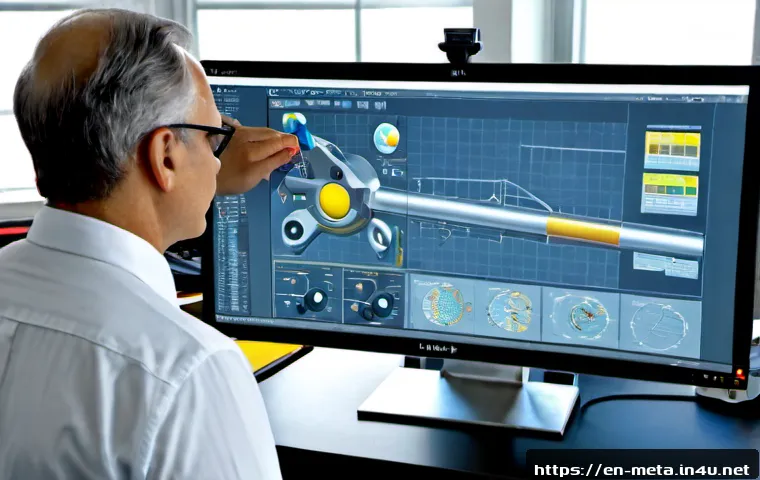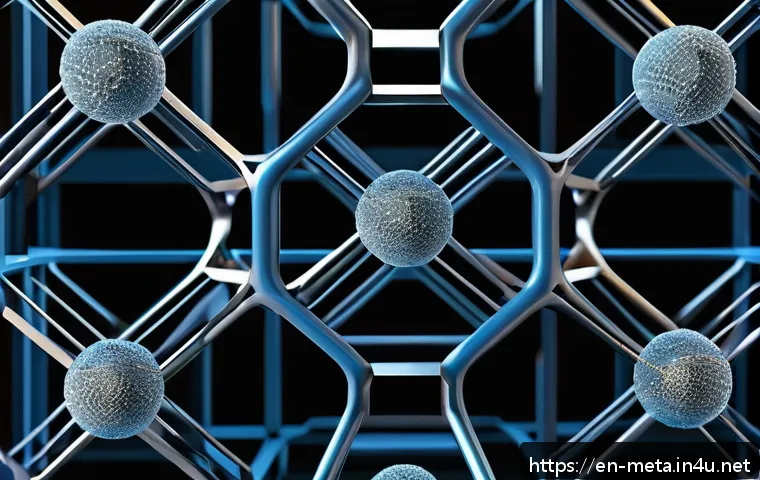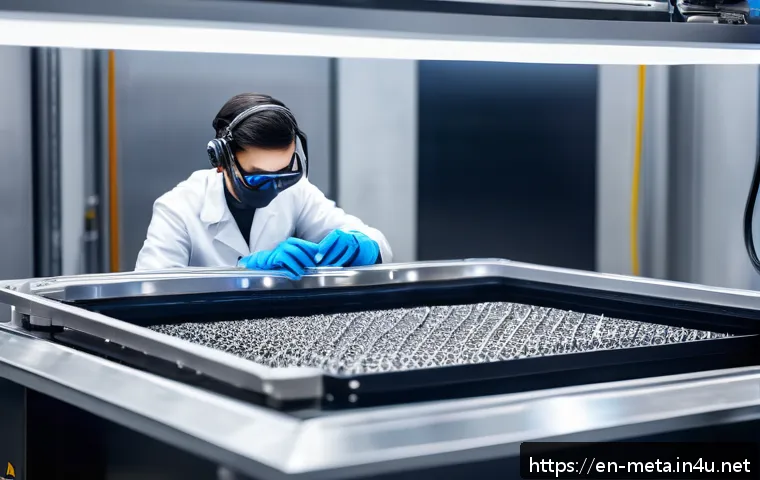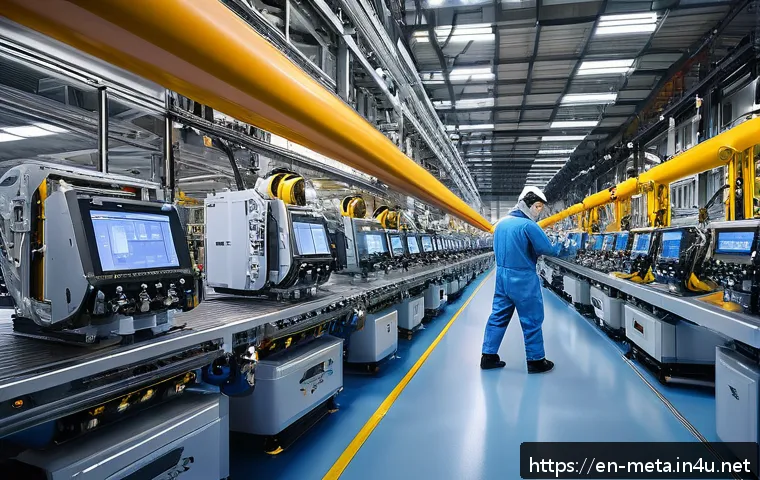
In today’s rapidly evolving engineering landscape, the fusion of advanced metal materials with state-of-the-art welding technologies is transforming what’s possible in design and construction.
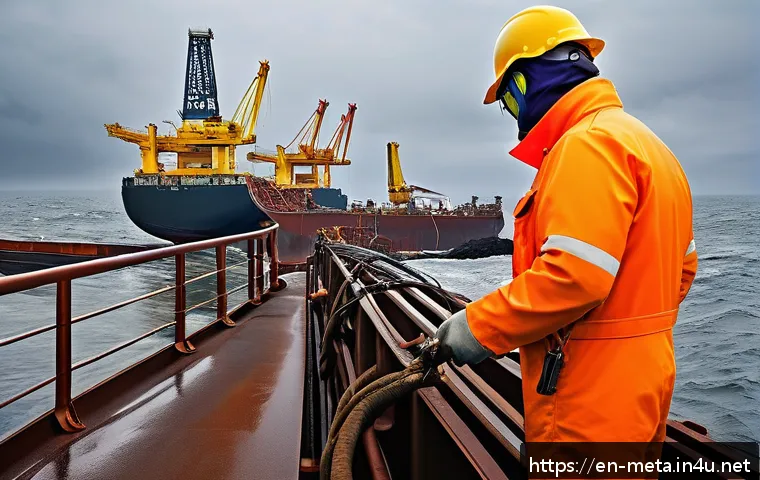
With industries pushing boundaries for stronger, lighter, and more durable structures, understanding this synergy has never been more crucial. Whether it’s aerospace, automotive, or infrastructure projects, the latest innovations are reshaping how engineers approach challenges.
I’ve witnessed firsthand how these breakthroughs streamline processes and enhance performance, making it an exciting time to explore these advancements.
Let’s dive into how these cutting-edge developments are setting the stage for the next generation of engineering marvels.
Revolutionizing Structural Integrity with Next-Gen Alloys
Exploring Lightweight High-Strength Metals
In my experience working on several automotive projects, the shift towards lightweight metals such as titanium alloys and aluminum-lithium composites has been a game changer.
These materials offer an exceptional strength-to-weight ratio, which not only reduces overall vehicle mass but also improves fuel efficiency and performance.
What’s fascinating is how these alloys maintain structural integrity even under extreme stress conditions. For example, aerospace engineers rely heavily on these metals to build airframes that can withstand high loads without adding unnecessary weight.
It’s not just about being light; it’s about being smart with material selection, and these alloys provide exactly that balance.
Durability Meets Flexibility in Modern Metal Choices
Durability is often the first thing that comes to mind when selecting metals for construction or manufacturing. However, flexibility in design is equally important, especially when structures need to absorb impacts or vibrations.
Advanced metals like duplex stainless steels and high-entropy alloys bring a unique combination of toughness and adaptability. I recall a project where duplex stainless steel was used for marine infrastructure, enabling the structure to endure harsh saltwater environments without significant corrosion or fatigue.
This adaptability not only extends the lifespan of components but also reduces maintenance costs, making it a smart investment for long-term projects.
Environmental Impact and Sustainability Considerations
While advanced metals offer incredible performance, their environmental footprint cannot be ignored. The trend I’ve noticed is a growing demand for metals that are not only strong but also recyclable and produced with less environmental impact.
For instance, recycled aluminum saves up to 95% of the energy required to produce new aluminum from ore. Manufacturers are increasingly integrating sustainability into their metal sourcing and processing, which aligns well with global efforts to reduce carbon emissions.
From a practical standpoint, this shift toward greener metals challenges engineers to rethink designs that optimize both performance and sustainability goals.
Innovations in Welding Techniques Enhancing Precision and Strength
Laser Welding: Precision at Its Finest
Laser welding has rapidly become a preferred method in industries requiring meticulous joining of delicate or complex parts. I’ve seen firsthand how laser welding allows for minimal heat distortion and extremely narrow weld seams, which is a huge advantage in aerospace and electronics manufacturing.
This method’s precision ensures that components fit together perfectly, reducing the need for additional finishing work. The high speed of laser welding also means faster production times without compromising quality, making it a valuable technique for high-volume manufacturing environments.
Friction Stir Welding: A Cold Process Revolution
One of the most intriguing welding technologies I’ve encountered is friction stir welding (FSW). Unlike traditional welding, FSW joins metals without melting them, which significantly reduces defects like porosity or cracking.
This cold welding process is especially beneficial for joining lightweight alloys such as aluminum and magnesium, commonly used in automotive and aerospace sectors.
I remember a colleague explaining how FSW enabled the production of stronger, more reliable joints in aircraft fuselages, which directly improved safety and performance.
The ability to create continuous welds without filler materials or shielding gases also cuts down on costs and environmental impact.
Hybrid Welding: Combining Strengths for Optimal Results
Hybrid welding techniques, such as combining laser and arc welding, are pushing the boundaries of what’s possible in joining metals. These approaches merge the deep penetration capability of arc welding with the precision of laser welding, resulting in stronger welds with fewer defects.
I’ve observed hybrid welding being adopted in shipbuilding and heavy machinery manufacturing, where thick sections of metal need robust, consistent joints.
This technology’s flexibility in handling various metal thicknesses and types makes it a versatile option that can adapt to complex engineering requirements.
Smart Monitoring and Automation in Welding Processes
Real-Time Quality Control with Sensor Integration
Incorporating sensors into welding systems has transformed quality assurance from a reactive to a proactive process. From my involvement in manufacturing plants, I’ve noticed how sensors monitor temperature, speed, and weld pool characteristics in real time, allowing operators to adjust parameters instantly.
This continuous feedback loop reduces the chance of defects and scrap, enhancing overall productivity. For example, in automotive assembly lines, sensor-driven welding robots maintain consistent weld quality, which directly impacts the safety and durability of the final product.
Artificial Intelligence Driving Welding Optimization
Artificial intelligence (AI) is no longer just a buzzword; it’s actively shaping welding operations. AI algorithms analyze vast amounts of data collected during welding to predict potential failures and optimize parameters for different metals and thicknesses.
I had the chance to collaborate on a project where AI-assisted welding robots improved throughput by 20% while reducing errors significantly. This blend of human expertise and machine learning creates a dynamic environment where welding processes continuously evolve for better efficiency and reliability.
The Rise of Collaborative Welding Robots
Collaborative robots, or cobots, are changing the dynamic on the factory floor by working alongside human welders. These machines handle repetitive or hazardous welding tasks while humans focus on quality inspection and complex operations.
In my observation, cobots have been instrumental in small to medium-sized enterprises, where space and budget constraints limit full automation. They provide flexibility and scalability, allowing companies to gradually introduce automation without overhauling entire production lines.
Material-Welding Compatibility: Matching Metals with Techniques
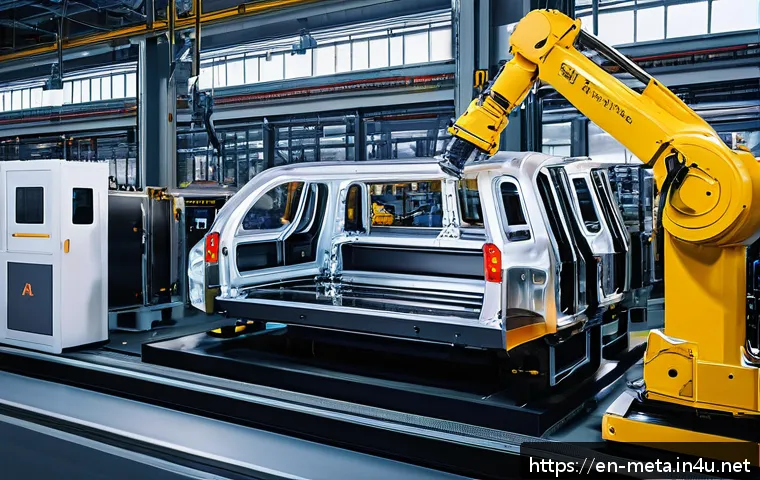
Understanding Metallurgical Reactions in Welding
The metallurgical behavior of metals during welding is crucial to achieving strong, defect-free joints. Metals expand, contract, and sometimes react chemically under heat, which can lead to weaknesses if not properly managed.
I recall an engineering workshop where we studied how carbon content in steel affects weldability and susceptibility to cracking. Selecting the right welding technique based on metal composition ensures that the joint maintains its mechanical properties and longevity.
Tailoring Welding Parameters for Different Alloys
Each metal alloy demands specific welding parameters such as heat input, travel speed, and filler material selection. Through trial and error in various projects, I found that fine-tuning these parameters can drastically reduce issues like distortion and residual stress.
For example, welding aluminum requires faster travel speeds and controlled heat input to avoid burn-through, while stainless steel benefits from slower speeds to ensure proper fusion.
This attention to detail is key to producing reliable welds across diverse applications.
Common Challenges and Solutions in Metal-Welding Combinations
Certain combinations of metals and welding processes pose persistent challenges, such as galvanic corrosion in dissimilar metal joints or hot cracking in high-strength alloys.
From experience, pre-weld treatments like cleaning, preheating, or using specialized fluxes can mitigate many of these issues. Additionally, post-weld heat treatments help relieve stresses and improve microstructure.
Understanding these nuances is essential for engineers aiming to optimize joint performance and durability.
Emerging Trends in Welding Equipment and Automation
Portable and User-Friendly Welding Systems
The latest welding machines are becoming more compact and easier to operate, which is a boon for fieldwork and smaller workshops. I recently used a portable TIG welder that offered touchscreen controls and preset programs, making it straightforward even for less experienced operators.
This trend democratizes welding technology, enabling more widespread adoption and improving quality in diverse environments.
Integration of IoT for Predictive Maintenance
Welding equipment connected through the Internet of Things (IoT) allows for predictive maintenance that reduces downtime and extends machine life. I’ve seen factories implement IoT-enabled welders that send alerts when components need servicing, preventing unexpected failures.
This proactive approach saves time and money, especially in high-volume production settings where equipment reliability is critical.
Enhanced Safety Features in Modern Welding Tools
Safety remains paramount in welding operations, and recent equipment designs reflect this focus. Innovations such as automatic gas shutoff, improved fume extraction, and ergonomic designs reduce operator fatigue and exposure to hazards.
From personal experience, using a welding helmet with integrated auto-darkening and respiratory protection significantly improved comfort and safety during long shifts, allowing me to focus more on precision.
Comparative Overview of Advanced Metals and Welding Technologies
| Metal Type | Key Properties | Preferred Welding Technique | Typical Applications | Challenges |
|---|---|---|---|---|
| Titanium Alloys | High strength-to-weight ratio, corrosion resistant | Laser welding, Friction stir welding | Aerospace, Medical devices | High cost, sensitivity to contamination |
| Aluminum-Lithium Composites | Lightweight, excellent fatigue resistance | Friction stir welding, Hybrid welding | Aircraft structures, Automotive frames | Thermal distortion, oxide layer formation |
| Duplex Stainless Steel | Corrosion resistance, toughness | Arc welding, Laser welding | Marine infrastructure, Chemical plants | Cracking susceptibility, heat input control |
| High-Entropy Alloys | Exceptional strength, wear resistance | Hybrid welding, Laser welding | Heavy machinery, Defense | Limited welding data, cost |
| Magnesium Alloys | Lightweight, good machinability | Friction stir welding | Automotive, Electronics | Flammability, oxidation |
In Conclusion
Advancements in next-generation alloys and welding technologies are reshaping the future of structural engineering. From lightweight metals that enhance performance to smart welding methods that boost precision and durability, the innovations discussed here demonstrate a promising path forward. Embracing these developments not only improves product quality but also aligns with sustainability and efficiency goals in various industries.
Helpful Information to Know
1. Choosing the right alloy depends heavily on the balance between strength, weight, and environmental conditions for the intended application.
2. Modern welding techniques like friction stir and hybrid welding minimize defects and improve joint reliability, especially with complex or lightweight metals.
3. Real-time sensor integration and AI-driven systems are revolutionizing quality control, reducing errors, and increasing throughput in manufacturing processes.
4. Collaborative robots provide flexible automation solutions, particularly beneficial for small to medium enterprises aiming to enhance productivity without full automation.
5. Safety improvements in welding equipment, including ergonomic designs and advanced fume extraction, are crucial for operator well-being and consistent performance.
Key Takeaways
Understanding the interplay between metal properties and welding methods is essential for achieving durable, high-performance joints. Tailoring parameters to each alloy type mitigates common challenges like distortion and corrosion. Integrating advanced monitoring and automation technologies enhances both efficiency and safety on the production floor. Finally, prioritizing sustainable materials and processes ensures long-term benefits for industries and the environment alike.
Frequently Asked Questions (FAQ) 📖
Q: uestionsQ1: How are advanced metal materials changing welding techniques in engineering projects?
A: Advanced metal materials, such as high-strength alloys and lightweight composites, have significantly influenced welding methods. These materials often require precise heat control and specialized welding processes like laser or friction stir welding to maintain their integrity and performance.
From my experience, adopting these techniques not only improves joint strength but also reduces distortion, which is crucial for applications like aerospace and automotive manufacturing where precision matters most.
Q: What industries benefit the most from combining new metal materials with cutting-edge welding technologies?
A: Industries like aerospace, automotive, and infrastructure are at the forefront of benefiting from these innovations. For example, in aerospace, using lightweight alloys welded with advanced methods helps reduce aircraft weight, improving fuel efficiency and performance.
In automotive manufacturing, these advancements allow for stronger, safer vehicle frames without adding bulk. Infrastructure projects also gain from durable, corrosion-resistant welded structures that extend the lifespan of bridges and buildings, reducing maintenance costs over time.
Q: Are there any challenges engineers face when working with these new materials and welding technologies?
A: Absolutely. One of the biggest challenges is mastering the learning curve associated with new welding techniques and material behaviors. Different metals respond uniquely to heat and stress, so engineers must carefully calibrate welding parameters to avoid defects like cracking or weak joints.
Additionally, the cost of specialized equipment and training can be high initially. However, based on what I’ve seen, the long-term gains in product performance and process efficiency usually outweigh these hurdles, making the investment worthwhile.