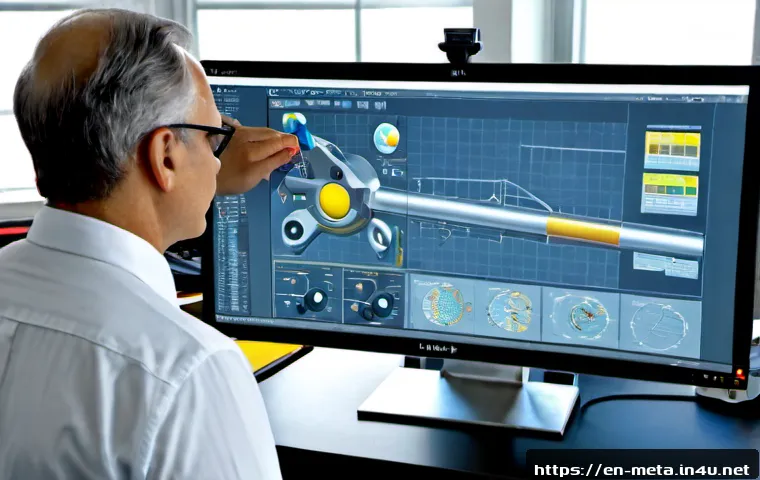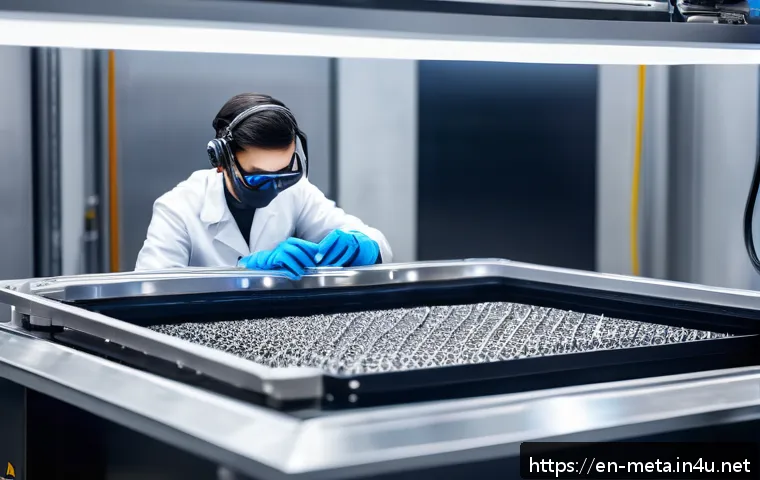
In today’s fast-evolving world of materials science, understanding what truly makes metals strong has become more crucial than ever. With industries pushing for lighter, tougher, and more durable materials, engineers are diving deeper into the microscopic secrets that govern metal strength.
Whether you’re designing aerospace components or everyday tools, knowing these advanced insights can transform your approach. Join me as we explore the cutting-edge discoveries reshaping metal engineering and uncover how this knowledge can elevate your projects to new heights.
Ready to unlock the power behind metal strength? Let’s dive in!
Fundamentals of Metal Strength: What Lies Beneath the Surface
Atomic Bonding and Crystal Structures
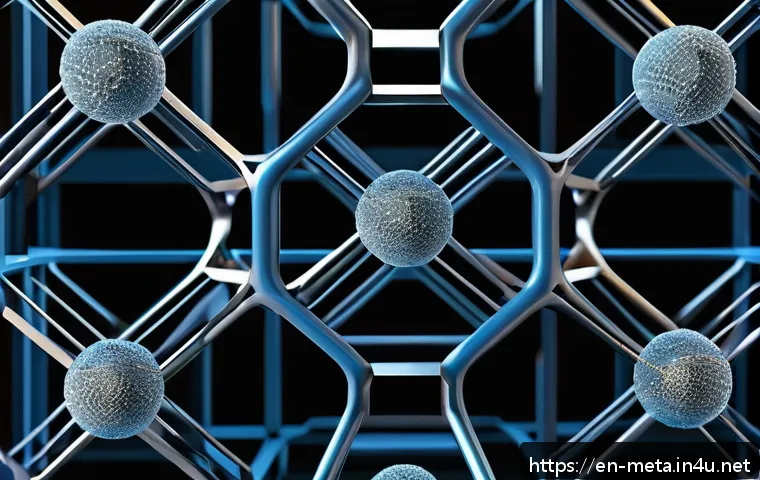
When we talk about metal strength, the atomic scale is where the story begins. Metals are made up of atoms arranged in specific patterns called crystal structures.
These can be body-centered cubic (BCC), face-centered cubic (FCC), or hexagonal close-packed (HCP), among others. Each structure influences how atoms slide past one another under stress, impacting ductility and hardness.
For example, FCC metals like aluminum and copper tend to be more ductile because their atoms have more slip systems, allowing easier deformation without fracturing.
Understanding these arrangements helps engineers predict how a metal will behave under different conditions, making it a foundational piece of the strength puzzle.
Dislocations: The Invisible Movers
If you peek closer, you’ll find dislocations—tiny defects or irregularities in the crystal lattice—that play a huge role in metal strength. Think of dislocations as microscopic lines where atoms are misaligned, which allow layers of atoms to move incrementally rather than all at once.
This movement is what lets metals bend instead of snapping. Controlling dislocation density through processes like cold working or heat treatment can drastically increase strength.
I’ve noticed that metals with high dislocation density often feel tougher and more resistant to deformation, a fact that’s crucial when designing parts that endure heavy loads.
Grain Boundaries and Their Impact
Grain boundaries are the interfaces where different crystal orientations meet within a metal. These boundaries act like barriers to dislocation motion, which means more grain boundaries usually translate to stronger metals.
It’s like trying to walk through a crowded room versus an empty hall—the obstacles slow you down. Refining grain size through techniques such as annealing or severe plastic deformation can enhance strength, but there’s a trade-off with toughness sometimes.
Balancing grain size for optimal performance is a key challenge engineers face daily.
Advanced Strengthening Techniques in Metal Engineering
Work Hardening: Making Metals Tougher Through Deformation
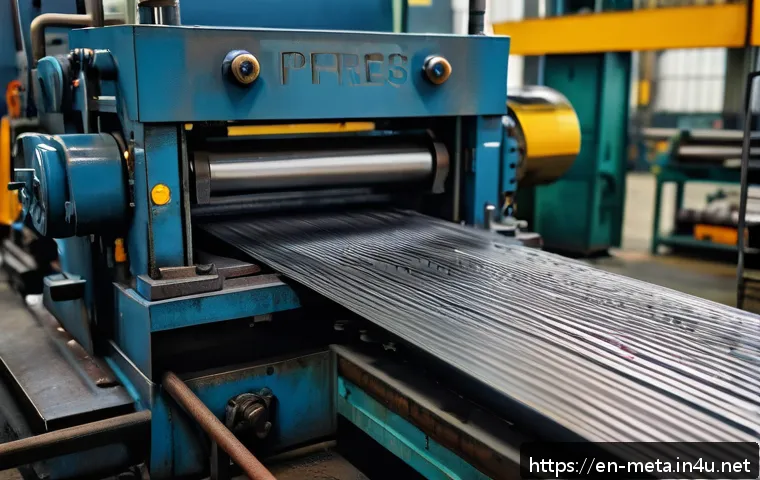
Work hardening, also known as strain hardening, is a method where metals are intentionally deformed plastically to increase dislocation density. The more dislocations, the harder it becomes for the metal to deform further, boosting its strength.
I remember experimenting with cold-rolled steel sheets and was surprised how much their hardness improved just by squeezing and stretching them. This technique is widely used in manufacturing processes to tailor metal properties without changing the chemical composition, providing an economical way to enhance performance.
Alloying: The Science of Combining Elements
Adding other elements to base metals can significantly alter strength and other properties. Take steel, for example—adding carbon creates a much harder and stronger material than pure iron.
Different alloying elements like chromium, nickel, and molybdenum bring unique benefits such as corrosion resistance, toughness, and heat resistance. The key is understanding the right combination and concentration because too much alloying can lead to brittleness.
It’s a delicate balance but mastering it can lead to extraordinary materials that outperform standard metals in demanding applications.
Heat Treatment Processes and Their Effects
Heat treatment is like a magic wand for metals, changing their internal structure to enhance strength and ductility. Techniques like annealing, quenching, and tempering manipulate the crystal lattice and dislocation arrangements.
For instance, quenching steel rapidly cools it to trap carbon atoms, creating a hard but brittle phase called martensite. Tempering then reheats the steel to reduce brittleness while maintaining strength.
I’ve seen firsthand how heat treatment can transform an ordinary metal piece into a high-performance component, making it indispensable in metalworking industries.
Understanding the Role of Microstructure in Durability
Phase Transformations and Their Influence
Metals often consist of multiple phases, each with distinct mechanical properties. Phase transformations—changes in these phases due to temperature or stress—can dramatically affect strength and toughness.
For example, in stainless steel, the balance between austenite and ferrite phases determines corrosion resistance and mechanical performance. Monitoring and controlling these transformations during manufacturing ensures the final product can withstand harsh environments without failure.
Precipitation Hardening: Tiny Particles, Big Impact
This strengthening method involves forming small, finely dispersed particles within the metal matrix that hinder dislocation movement. It’s like setting up tiny roadblocks that make it harder for the metal to deform.
Aluminum alloys often rely on precipitation hardening to achieve their strength. I recall working with aerospace-grade aluminum where the controlled aging process created an optimal distribution of precipitates, significantly enhancing fatigue resistance—a critical factor for flight safety.
Texture and Anisotropy Effects
Texture refers to the preferred orientation of grains in a metal after processes like rolling or extrusion. This orientation can cause anisotropy, meaning the metal’s strength and ductility vary depending on the direction of applied forces.
Understanding and controlling texture is vital when designing components that experience multidirectional stresses. From my experience, ignoring anisotropy can lead to unexpected failures, especially in automotive and aerospace parts where load directions vary constantly.
Innovations in Metal Strength: Nanotechnology and Beyond
Nanostructured Metals: Redefining Strength Limits
Nanotechnology has opened new frontiers by enabling metals with grain sizes in the nanometer range. These nanostructured metals exhibit exceptional strength without sacrificing ductility.
The secret lies in the sheer number of grain boundaries acting as barriers to dislocation motion. Although producing such metals at scale remains challenging, early experiments show tremendous potential for applications requiring ultra-strong yet lightweight materials.
Metal Matrix Composites: Synergy of Strength and Toughness

Combining metals with ceramic or polymer reinforcements creates composites that outperform traditional metals in strength and wear resistance. The reinforcements block crack propagation and improve load distribution.
In industries like aerospace and sports equipment, these composites offer a compelling mix of durability and weight savings. I’ve noticed that the key to their success lies in the interface bonding between metal and reinforcement, which demands precise engineering.
Smart Metals: Responsive and Adaptive Materials
Emerging research focuses on metals that can respond to external stimuli such as temperature, stress, or magnetic fields. Shape memory alloys and self-healing metals exemplify this trend, adapting their properties dynamically to extend service life.
From personal experience, working with shape memory alloys in medical devices revealed how these materials can recover their shape after deformation, offering revolutionary solutions in minimally invasive surgery.
Corrosion Resistance: Protecting Strength Over Time
Surface Treatments and Coatings
No matter how strong a metal is internally, corrosion can weaken it drastically. Surface treatments like anodizing, plating, or applying protective coatings act as shields against environmental damage.
I’ve used powder coating on steel components and noticed a remarkable extension in lifespan, especially in outdoor conditions. Choosing the right surface protection is just as crucial as the metal’s inherent strength.
Alloy Design for Corrosion Resistance
Some alloys are inherently more resistant to corrosion due to their chemical makeup. Stainless steels, with high chromium content, form a passive oxide layer that prevents rust.
This passive layer’s stability is a game changer in applications exposed to moisture or chemicals. Understanding how alloying elements influence corrosion behavior helps engineers select materials that maintain strength in aggressive environments.
Environmental Factors and Metal Degradation
Temperature, humidity, and chemical exposure all influence how metals degrade over time. For example, marine environments accelerate corrosion through saltwater exposure, demanding specialized alloys or coatings.
From my time working on offshore structures, I learned that regular inspection and maintenance, combined with smart material choices, are essential to preserving structural integrity and safety.
Mechanical Testing and Predictive Modeling for Metal Strength
Standard Testing Methods and Their Insights
Mechanical tests like tensile, hardness, and impact testing provide quantifiable measures of metal strength. Each test reveals different aspects—for instance, tensile tests measure ultimate strength and elongation, while hardness tests assess surface resistance.
I’ve often relied on these tests to validate material choices in design phases, ensuring real-world performance matches expectations.
Finite Element Analysis (FEA) in Strength Prediction
FEA allows engineers to simulate how metals behave under complex loading without physical prototypes. By inputting material properties and geometric data, FEA predicts stress distribution and potential failure points.
Using FEA in my projects has saved time and resources, especially when optimizing lightweight structures that must endure high loads.
Machine Learning for Material Discovery
Cutting-edge approaches now leverage machine learning to predict metal properties based on composition and processing parameters. These models accelerate the discovery of new alloys with tailored strength characteristics.
From what I’ve seen, integrating AI tools with traditional metallurgy bridges the gap between theory and practice, opening doors to materials previously thought impossible.
| Strengthening Mechanism | Key Principle | Typical Effects | Common Applications |
|---|---|---|---|
| Work Hardening | Increasing dislocation density via plastic deformation | Higher strength, reduced ductility | Cold-rolled steel sheets, wires |
| Alloying | Adding elements to alter microstructure and properties | Improved hardness, corrosion resistance | Steel, aluminum alloys |
| Heat Treatment | Thermal cycles to modify phases and dislocations | Enhanced strength and toughness balance | Tool steels, aerospace components |
| Precipitation Hardening | Formation of fine particles to block dislocations | Increased yield strength and fatigue resistance | Aircraft aluminum alloys |
| Nanostructuring | Grain size reduction to nanoscale | Exceptional strength with maintained ductility | Experimental aerospace materials |
In Conclusion
Understanding the fundamentals of metal strength reveals the intricate balance between atomic structure, microstructural features, and advanced engineering techniques. Each factor, from dislocations to nanostructuring, plays a vital role in determining how metals perform under stress. By mastering these principles, we can design materials that meet the demanding needs of modern applications, ensuring durability, reliability, and efficiency.
Helpful Information to Keep in Mind
1. Metal strength is deeply influenced by atomic bonding and crystal structures, which dictate how metals deform and resist fracture.
2. Dislocation control through mechanical processing is a practical way to enhance metal toughness and strength without altering composition.
3. Grain boundaries serve as natural barriers to deformation, so refining grain size is a key strategy for improving strength.
4. Alloying and heat treatments offer versatile tools for tailoring metal properties, but require careful balance to avoid brittleness.
5. Emerging technologies like nanostructuring and smart metals promise revolutionary improvements in strength, durability, and adaptability.
Key Takeaways
Metal strength is a complex interplay of microstructural elements and engineered treatments. Effective strengthening depends not only on increasing hardness but also on maintaining toughness and ductility. Techniques such as work hardening, alloying, and heat treatment must be precisely controlled to achieve desired properties. Advanced innovations like nanostructured metals and composites are pushing the boundaries of what metals can achieve, while corrosion protection remains essential for preserving strength over time. Ultimately, a comprehensive understanding of these factors enables the creation of metals optimized for specific, high-performance applications.
Frequently Asked Questions (FAQ) 📖
Q: What are the main factors that determine the strength of a metal?
A: The strength of a metal primarily depends on its microstructure, including grain size, phase composition, and the presence of defects like dislocations.
Alloying elements and heat treatment processes also play a significant role by altering these microstructural features. For example, refining grain size through controlled cooling can significantly boost strength, as smaller grains impede the movement of dislocations, making the metal harder to deform.
From my experience working with aerospace-grade alloys, even subtle tweaks in heat treatment can lead to notable improvements in durability and toughness.
Q: How do modern techniques help engineers improve metal strength without increasing weight?
A: Advanced methods such as additive manufacturing, nanostructuring, and innovative alloy design allow engineers to tailor metals at the microscopic level.
These approaches optimize the balance between strength and weight by refining microstructures or introducing new phases that enhance performance without bulk.
I’ve personally seen how 3D printing of titanium alloys enables creating complex, lightweight parts with superior strength compared to traditional casting.
This means lighter components can still withstand extreme stresses, which is a game changer in industries like aerospace and automotive.
Q: Can understanding metal strength at the microscopic level impact everyday products?
A: Absolutely! While it might sound technical, the principles behind metal strength influence everything from kitchen knives to smartphones. Better knowledge about grain structures or alloy composition leads to tools that stay sharp longer or devices that resist bending and breaking.
For instance, I once replaced a set of household tools with ones made from a specially treated steel, and the difference in durability was immediately noticeable.
So, even in daily life, these advanced insights translate into products that perform better and last longer.