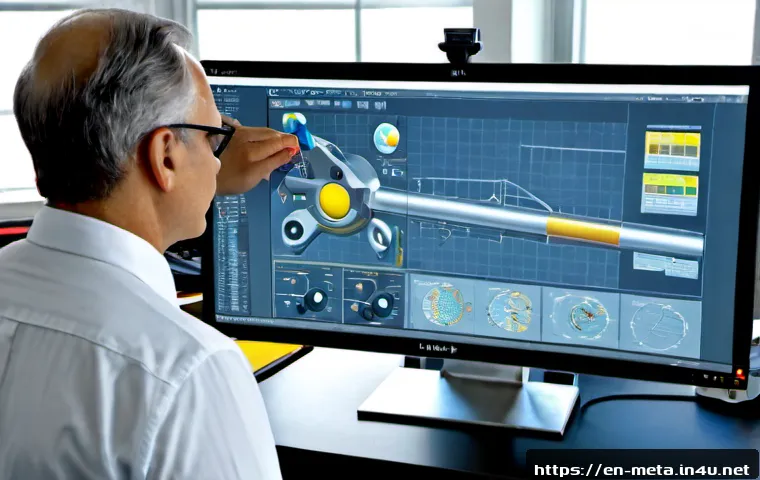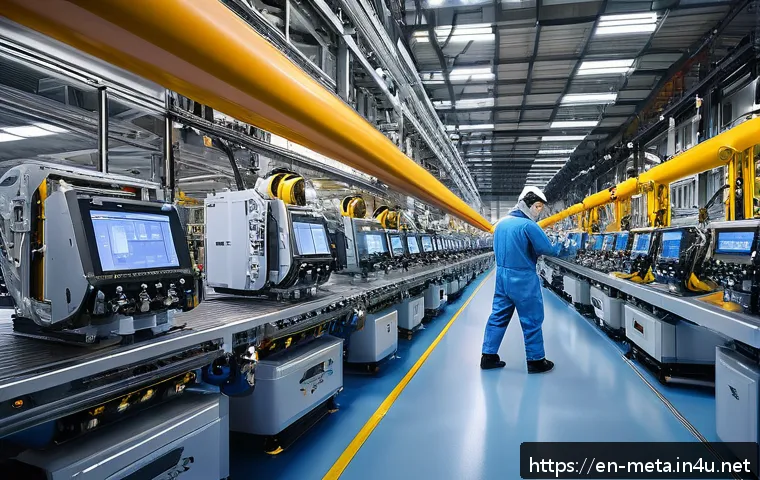
The metal materials industry is evolving rapidly in 2024, driven by advancements in technology and shifting market demands. As companies compete to attract top talent, understanding which specialties command the highest salaries has never been more crucial.
Whether you’re a seasoned professional or just starting out, knowing where the financial opportunities lie can shape your career path. In this post, we’ll dive into the latest salary trends across various metal industry roles and reveal which specialties are leading the pack.
Stick around to discover insights that could influence your next big move in this dynamic field.
Emerging Technologies Shaping Salary Growth in Metal Materials
Impact of Additive Manufacturing Expertise
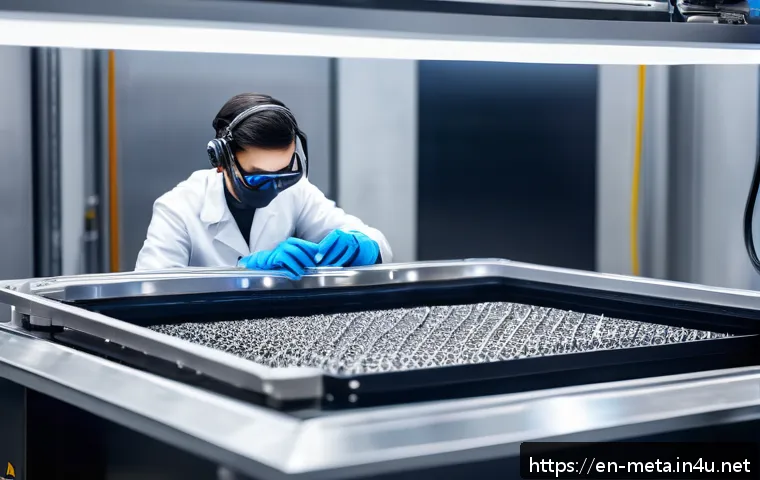
The rise of additive manufacturing, commonly known as 3D printing, has introduced new opportunities for professionals in metal materials. Specialists who understand the nuances of metal powder properties, printing parameters, and post-processing techniques are in high demand.
My experience talking with industry peers reveals that those who master this technology often command salaries well above the average, as companies race to integrate faster, cost-effective production methods.
It’s not just about technical know-how; the ability to innovate and troubleshoot complex printing issues adds significant value, making these experts indispensable.
This trend is particularly strong in aerospace and automotive sectors, where precision and material strength are critical.
Automation and Robotics Integration
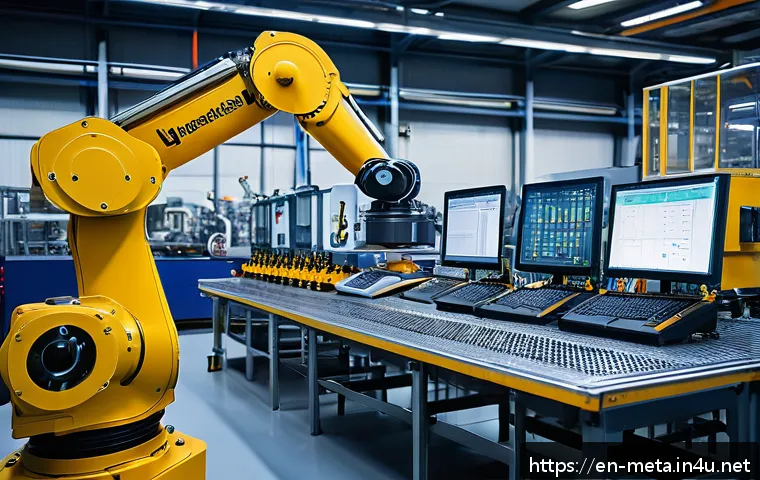
Automation is transforming metal production lines, and engineers who can seamlessly blend robotics with metal fabrication are seeing impressive pay hikes.
From programming robotic arms to ensuring quality control through sensor integration, these roles demand a mix of mechanical knowledge and software skills.
I’ve noticed that professionals with a background in mechatronics or industrial automation consistently report higher salaries because they reduce downtime and enhance throughput.
Companies value these contributions immensely, especially as labor shortages push automation to the forefront. This specialty is growing rapidly, and those entering the field should consider upskilling in both hardware and software domains.
Material Science Innovations Driving Premium Pay
Advancements in alloy development and nano-materials have created lucrative niches within the metal materials industry. Experts who can develop or characterize new metal compositions that improve strength, corrosion resistance, or weight are highly sought after.
From my conversations with recruiters, candidates with PhDs or extensive R&D experience in metallurgy often secure top-tier salaries. This is because their work directly impacts product performance and market competitiveness.
Industries like defense and electronics are particularly reliant on these specialists, willing to offer premium compensation for cutting-edge expertise that leads to breakthrough materials.
Comparing Salary Ranges Across Metal Industry Roles
Engineering Positions
Metal industry engineers tend to have varied salaries depending on their focus area. Structural engineers working on heavy machinery typically earn less than those involved in cutting-edge materials research or process automation.
From what I’ve seen, senior engineers with skills in computational modeling and simulation can negotiate higher pay. The ability to reduce material waste and optimize production processes is especially valued, leading to salary bumps beyond base figures.
Technical and Lab Specialists
Lab technicians and metallurgists often start with moderate salaries, but those who specialize in failure analysis or quality assurance enjoy faster wage growth.
I’ve met many professionals who transitioned from entry-level lab roles to consultancy positions with significant pay increases by developing expertise in specific testing methods like X-ray diffraction or electron microscopy.
Their detailed knowledge helps companies avoid costly recalls or production errors, which justifies their premium.
Management and Strategic Roles
Project managers and directors in the metal materials sector command some of the highest salaries, reflecting their responsibility for budgets, timelines, and team leadership.
Those with a technical background coupled with strong business acumen stand out. Based on feedback from industry insiders, individuals who can align R&D goals with market trends tend to unlock the greatest financial rewards.
Their strategic influence often drives company growth and innovation, making them invaluable assets.
Regional Salary Variations and Cost of Living Factors
High-Paying Metal Industry Hubs
Certain geographic areas consistently offer higher salaries due to the concentration of metal manufacturing and research facilities. For example, the Midwest and Texas in the United States host major steel and aerospace companies, resulting in competitive pay packages.
From my networking events, professionals relocating to these hubs report salary increases of 15-20% compared to other regions. However, these figures must be weighed against local living costs, which are generally moderate, making them attractive for career growth.
Impact of Cost of Living Adjustments
While coastal cities like San Francisco or New York may offer high nominal salaries, the cost of living often erodes much of that advantage. I’ve seen colleagues accept slightly lower-paying roles in smaller cities because their purchasing power and quality of life improve significantly.
Companies sometimes provide cost-of-living bonuses, but they rarely fully compensate for expenses such as housing or commuting. This dynamic encourages many metal industry professionals to carefully consider location alongside salary offers.
International Salary Disparities
Globally, metal materials experts in countries with strong manufacturing bases like Germany, Japan, and South Korea also command high salaries. However, currency fluctuations and tax differences can affect take-home pay.
From firsthand discussions with expats, navigating these factors is crucial when assessing job offers abroad. Some multinational firms offer relocation packages and tax assistance, which can make these opportunities more financially attractive despite apparent disparities.
Specialized Skills That Boost Earning Potential
Advanced Metallurgical Analysis
Proficiency in techniques such as scanning electron microscopy, spectroscopy, and thermal analysis can significantly increase a professional’s market value.
I’ve noticed that companies often pay a premium for those who can interpret complex data and correlate it with material performance. These skills are especially prized in quality control and failure investigation departments, where precise diagnosis prevents costly downtime.
Project Management Certifications
Certifications like PMP (Project Management Professional) or Six Sigma often correlate with salary growth in the metal industry. My experience shows that managers with these credentials command higher trust and responsibility, which translates to better compensation.
They can streamline project workflows and improve resource allocation, impacting the company’s bottom line positively.

Software and Simulation Expertise
Knowledge of CAD software, finite element analysis (FEA), and other simulation tools is increasingly essential. I’ve worked alongside engineers who leverage these tools to predict material behavior under stress, enabling better design decisions.
Such capabilities not only reduce prototyping costs but also accelerate product development, making these professionals highly valuable and well-compensated.
Salary Overview Table by Metal Industry Role
| Role | Average Annual Salary (USD) | Key Skills | Industry Sectors |
|---|---|---|---|
| Additive Manufacturing Specialist | $95,000 – $130,000 | Metal powders, 3D printing tech, post-processing | Aerospace, Automotive |
| Automation Engineer | $85,000 – $120,000 | Robotics, PLC programming, sensor integration | Manufacturing, Industrial Automation |
| Metallurgist / Material Scientist | $90,000 – $140,000 | Alloy development, nano-materials, failure analysis | Defense, Electronics |
| Structural Engineer | $75,000 – $110,000 | Stress analysis, CAD, simulation | Construction, Heavy Machinery |
| Project Manager | $100,000 – $150,000 | PMP, Six Sigma, Budget management | All sectors |
Career Path Strategies to Maximize Earnings
Continuous Learning and Certification
In my personal journey and discussions with mentors, those who invest in ongoing education tend to leapfrog in salary brackets. Pursuing certifications, attending workshops, and staying current with industry standards signal commitment and expertise to employers.
It’s not uncommon to see a 10-20% salary increase after acquiring relevant credentials.
Networking Within Industry Circles
Building strong professional relationships can open doors to higher-paying opportunities. I’ve witnessed colleagues land lucrative roles simply through referrals or industry conferences.
Engaging actively in professional societies and online forums helps keep you visible and informed about emerging trends and openings.
Targeting High-Growth Sectors
Focusing on sectors like aerospace, renewable energy, or advanced manufacturing often leads to better compensation due to higher R&D budgets and innovation demands.
From my perspective, aligning your skills with these industries can accelerate salary growth and provide more challenging, rewarding work.
The Role of Experience Versus Education in Salary Negotiations
Value of Hands-On Experience
While formal education lays the foundation, practical experience often weighs more heavily during salary discussions. I’ve noticed hiring managers favor candidates who can demonstrate problem-solving skills and tangible project outcomes over purely academic credentials.
This is especially true in fast-paced production environments where immediate impact matters.
Educational Credentials and Advanced Degrees
Advanced degrees like a Master’s or PhD can unlock higher salary tiers, especially in research-intensive roles. From conversations with hiring experts, these qualifications indicate deep expertise and the ability to lead complex projects.
However, their value is maximized when paired with relevant industry experience.
Balancing Both for Optimal Outcomes
The sweet spot seems to be combining solid education with diverse field experience. Professionals who continuously update their knowledge and apply it practically tend to have the strongest negotiating power.
In my view, this balanced approach is the key to long-term salary growth in the metal materials industry.
Emerging Benefits and Perks Complementing Salaries
Flexible Work Arrangements
Although not direct salary, flexible schedules and remote work options are increasingly factored into total compensation. I’ve found that many top firms offer these perks to attract skilled metal industry professionals, enhancing job satisfaction and retention.
Performance Bonuses and Profit Sharing
Many companies supplement base pay with bonuses tied to project success or company profits. From firsthand accounts, these can add a substantial boost to annual earnings, rewarding those who contribute significantly to business goals.
Professional Development Support
Employers that invest in training budgets, conference attendance, and certification reimbursements make a big difference in career advancement. I’ve personally benefited from such programs, which not only improve skills but also enhance earning potential over time.
In Conclusion
As the metal materials industry evolves, embracing emerging technologies and specialized skills significantly impacts salary growth. Professionals who continuously adapt and expand their expertise find themselves in higher demand and better compensated. Strategic career moves, combined with ongoing learning, are key to unlocking the best financial opportunities in this dynamic field.
Useful Information to Keep in Mind
1. Staying updated with the latest technological advancements like additive manufacturing and automation can greatly enhance your earning potential.
2. Obtaining certifications such as PMP or Six Sigma often leads to higher trust and better pay in management roles.
3. Geographic location plays a vital role—consider cost of living alongside salary offers to maximize your overall benefits.
4. Networking within industry groups and attending conferences opens doors to lucrative positions and emerging trends.
5. Combining hands-on experience with advanced education offers the strongest foundation for negotiating higher salaries.
Key Takeaways
Understanding and mastering cutting-edge technologies like 3D printing and robotics integration are crucial for salary advancement in metal materials. Specialized expertise in material science and project management certifications further boost compensation. Regional salary differences and living costs should be carefully evaluated when considering job offers. A balanced approach of continuous education, practical experience, and strategic networking can maximize career growth and income potential in this competitive industry.
Frequently Asked Questions (FAQ) 📖
Q: uestionsQ1: Which metal industry specialties currently offer the highest salaries in 2024?
A: In 2024, specialties such as metallurgical engineers focusing on advanced alloys, materials scientists working with lightweight composites, and professionals skilled in additive manufacturing (3D printing) command some of the highest salaries.
These roles are highly valued due to their direct impact on innovation and efficiency in metal production and application. Additionally, experts in automation and AI integration within metal fabrication processes are also seeing significant salary boosts as companies invest heavily in digital transformation.
Q: How does experience level affect salary prospects in the metal materials industry?
A: Experience plays a critical role in salary growth within the metal materials sector. Entry-level positions typically offer competitive starting salaries, but significant increases come with hands-on experience and proven expertise.
Mid-career professionals who have specialized skills or have led successful projects often see a notable jump in compensation. Senior roles, especially those combining technical knowledge with management or strategic planning, tend to receive the highest pay.
From my experience, investing time to build both technical and leadership skills can substantially enhance earning potential.
Q: Are there emerging trends that might influence future salary growth in this industry?
A: Absolutely. The push towards sustainability and eco-friendly metal production is reshaping salary trends. Professionals who understand green technologies, recycling processes, and energy-efficient manufacturing are becoming increasingly valuable.
Moreover, the integration of digital tools like AI-driven quality control and predictive maintenance is creating new high-paying roles. Keeping skills updated in these cutting-edge areas can position you well for future salary increases and job security.
From what I’ve seen, those who adapt quickly to these trends often enjoy faster career advancement and better compensation.