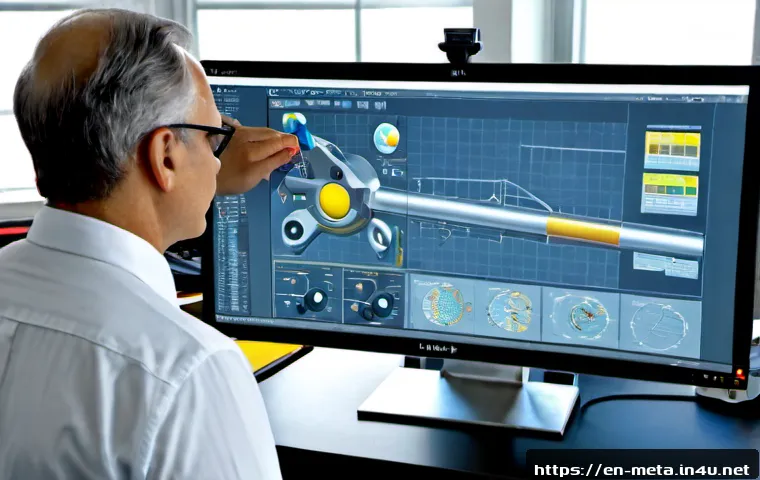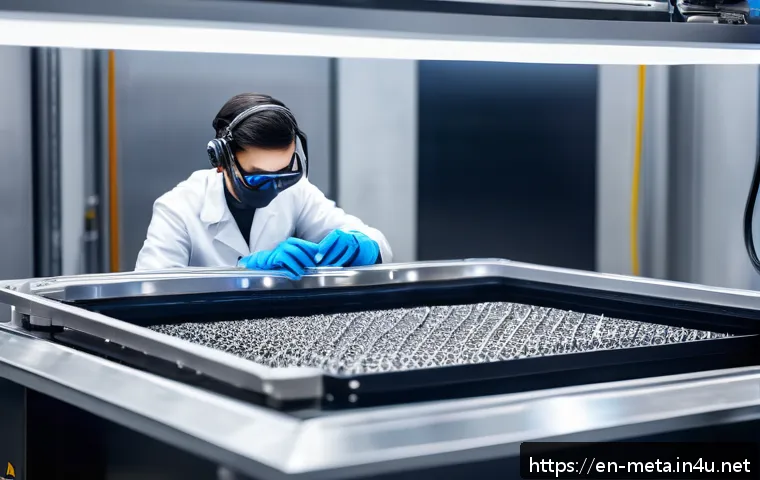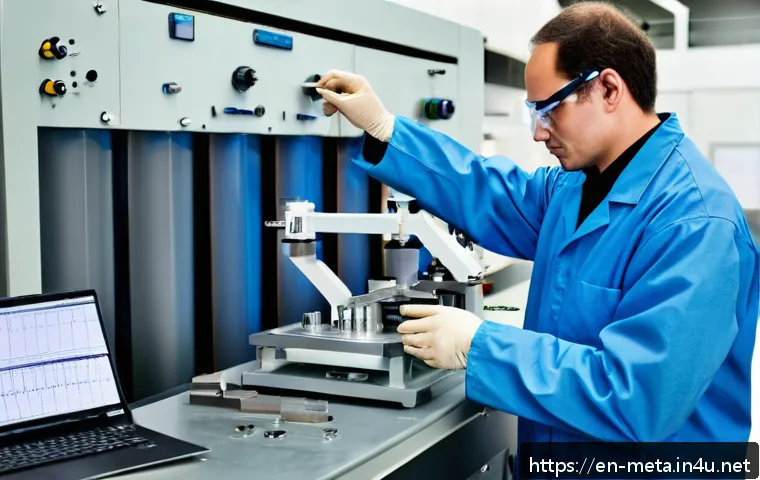
In today’s rapidly evolving industrial landscape, mastering metal materials engineering has become more crucial than ever. With innovations in aerospace, automotive, and construction pushing material demands to new heights, obtaining certification in this field opens doors to exciting career opportunities.
Whether you’re a seasoned engineer or just starting out, understanding the intricacies of metals can set you apart from the competition. Join me as we explore a clear, step-by-step path to earning your metal materials engineering certification—equipping you with the knowledge and skills to thrive in this dynamic industry.
Let’s dive into what it takes to succeed and why this certification matters now more than ever.
Understanding the Core Concepts of Metal Materials Engineering
Fundamental Properties of Metals
Metals are fascinating due to their unique properties like strength, ductility, conductivity, and corrosion resistance. When I first delved into metal materials engineering, grasping these characteristics was like unlocking the secret code to why certain metals behave differently under stress or heat.
For instance, understanding how carbon content affects steel hardness or how aluminum alloys respond to heat treatment was a game changer. This foundational knowledge shapes every decision you’ll make in design, testing, and application, so it’s essential to dive deep into the atomic structure, grain boundaries, and phase diagrams early on.
Metallurgical Processes and Their Impact
Nothing beats the “aha” moment when you connect the dots between processing methods and metal properties. Processes such as annealing, quenching, and tempering aren’t just fancy terms but critical steps that dictate a metal’s performance in real-world conditions.
I remember struggling with heat treatment theories until I saw firsthand how controlled cooling transformed brittle steel into a tough, resilient material.
Learning these processes involves both theory and hands-on experimentation, which is why practical labs or internships are incredibly valuable. The interplay of temperature, time, and composition turns into a powerful toolkit for any metal engineer.
Testing and Characterization Techniques
If you want to stand out, mastering metal testing methods like tensile, hardness, and impact tests is non-negotiable. Early in my career, I was intimidated by the technical jargon around X-ray diffraction or electron microscopy, but once I got to operate these tools, the complex world of microstructures revealed itself.
These techniques provide a microscopic lens into metal quality and failure modes, enabling precise diagnosis and innovation. Understanding standards and protocols for testing also builds credibility, which is vital for certification and professional growth.
Navigating Certification Requirements and Exam Preparation
Understanding the Certification Landscape
Certification bodies often have rigorous requirements that can feel overwhelming at first. What helped me was breaking down the eligibility criteria and exam formats into manageable chunks.
Whether it’s a professional engineer license with a metallurgy focus or a specialized metal materials certification, knowing the prerequisites like work experience, education, and continuing education credits can save you from last-minute surprises.
Plus, many organizations provide detailed syllabi and sample questions that are worth studying extensively.
Effective Study Strategies
Studying for metal materials engineering certification isn’t just about memorizing facts; it’s about applying concepts to solve complex problems. I found that creating mind maps of metallurgical processes and scheduling regular group discussions with peers made a huge difference.
Flashcards for key terms and formulas were my go-to when commuting. Also, mixing theory with practical case studies kept the material engaging and relevant.
Don’t underestimate the value of mock exams to build confidence and time management skills.
Leveraging Resources and Mentorship
One thing I learned is that guidance from experienced professionals can accelerate your preparation exponentially. Joining industry forums, attending webinars, and seeking mentors helped me navigate tricky topics and stay motivated.
Online platforms offer excellent video tutorials and interactive quizzes, but nothing beats advice from someone who has walked the path before you. Networking also opens doors to job opportunities post-certification, making this an investment that pays off in multiple ways.
Practical Applications and Industry Trends
Emerging Technologies in Metal Engineering
The industry is evolving fast with innovations like additive manufacturing, advanced alloys, and smart materials. When I first encountered 3D printing with metal powders, it reshaped my perspective on design freedom and customization.
Keeping abreast of these trends isn’t just exciting—it’s essential for staying relevant. Reading journals, attending conferences, and experimenting with new tech are habits that help you anticipate future demands and tailor your skills accordingly.
Real-World Problem Solving
Certification is not just a piece of paper—it’s a gateway to tackling real-world challenges. I recall working on a project where corrosion in an offshore structure threatened safety and budgets.
Applying my metal materials engineering knowledge, I recommended a novel alloy and protective coating that extended the asset’s life significantly. This kind of practical impact is what makes the certification meaningful.
It equips you with the confidence and tools to analyze failures, optimize materials, and innovate solutions that matter.
Building a Sustainable Mindset
Sustainability is no longer optional in engineering. The metals industry faces pressures to reduce waste, recycle efficiently, and develop eco-friendly materials.
Understanding lifecycle assessment and environmentally responsible sourcing has become a crucial part of my practice. Embracing this mindset not only aligns with global goals but also enhances your professional profile.
It’s rewarding to know that your expertise contributes to greener, smarter industrial practices.
Essential Skills Beyond Technical Knowledge
Communication and Collaboration
Technical mastery alone won’t get you far without the ability to communicate complex ideas clearly. I learned early on that presenting metallurgical findings to non-engineers or clients requires simplicity and storytelling skills.
Whether it’s writing reports, giving presentations, or leading teams, effective communication can make or break a project. Collaborative skills are equally important—engineering is rarely a solo endeavor.
Building strong relationships across disciplines ensures smoother workflows and better outcomes.
Project Management and Leadership
As you progress, managing projects and leading teams become part of the job. I gained invaluable experience by volunteering to coordinate small projects, which taught me about timelines, resource allocation, and risk management.
Leadership in metal materials engineering also involves mentoring juniors and fostering a culture of continuous improvement. These skills amplify your impact and are often assessed during certification interviews or practical exams.
Continuous Learning and Adaptability
The metal materials field never stands still, and neither should you. I make it a point to stay curious and embrace lifelong learning—whether through new certifications, workshops, or self-study.
Being adaptable means you’re ready to tackle emerging challenges and seize new opportunities. This mindset is critical not only for passing certification but for thriving throughout your career.
Comparing Certification Programs: Which One Fits You Best?
Criteria to Consider
Choosing the right certification involves evaluating factors like industry recognition, curriculum depth, exam difficulty, and post-certification benefits.
I weighed these carefully based on my career goals and found that some certifications emphasize research and theory, while others focus on practical skills and applications.
Cost and time commitment are also key considerations, especially if you’re balancing work and study.
Popular Certification Options
There are several well-regarded certifications available internationally, each with unique advantages. Some focus specifically on metallurgy, while others cover broader materials engineering topics.
I compiled a comparison table below that helped me clarify the differences and pick the best path.
| Certification | Focus Area | Prerequisites | Exam Format | Industry Recognition |
|---|---|---|---|---|
| Certified Metallurgical Engineer (CME) | Metallurgy and Metal Processing | Bachelor’s degree + 3 years experience | Written + Practical | High in manufacturing & aerospace |
| Professional Engineer (PE) in Materials | Broad Materials Engineering | Bachelor’s degree + PE exam eligibility | Written (multiple sections) | Widely recognized across industries |
| ASM International Certifications | Specialized metal properties & testing | Varies by certificate | Online or in-person exams | Respected globally in metallurgy |
| International Institute of Welding (IIS) Certification | Welding Metallurgy and Inspection | Relevant work experience | Written + practical | Key in welding and fabrication sectors |
Making an Informed Decision
Reflecting on my experience, the best certification aligns with your current skills, career aspirations, and available resources. Don’t rush—take time to research, reach out to certified professionals, and consider how each option fits your long-term plans.
The right certification will not only validate your expertise but also open doors you might never have imagined.
Tips for Maintaining Certification and Career Growth
Continuing Education and Skill Refreshment
Certification is just the beginning. Staying certified typically requires ongoing education to keep up with advances and regulatory changes. I schedule regular training sessions and attend industry conferences to ensure my knowledge remains sharp.
This habit also provides networking opportunities and exposure to new technologies.
Building a Professional Network
A strong network has been invaluable to me in finding job leads, mentorship, and collaborative projects. Joining professional societies and online groups dedicated to metal materials engineering can expand your horizons and support your career development.
Sharing your own experiences and learning from others creates a community that enriches everyone involved.
Exploring Diverse Career Paths
With certification in hand, you’re not limited to one role or sector. Metal materials engineers work in aerospace, automotive, construction, energy, and even emerging fields like nanotechnology.
I’ve seen colleagues transition smoothly between research, quality assurance, and product development roles. Embracing this diversity keeps your career exciting and resilient against industry shifts.
Conclusion
Mastering metal materials engineering opens the door to a world where science meets practical innovation. From understanding core properties to navigating certifications and applying new technologies, this field offers endless opportunities for growth. Embrace continuous learning and real-world problem solving to stay ahead in this dynamic industry. Your journey in metal materials engineering is not just about knowledge—it’s about making a tangible impact.
Helpful Information to Know
1. Certifications often require a combination of education, experience, and exam success—plan your path early to avoid surprises.
2. Practical experience through labs, internships, or projects greatly enhances understanding beyond textbook theory.
3. Staying current with industry trends like additive manufacturing and sustainable practices is vital for career longevity.
4. Networking and mentorship provide invaluable support, resources, and career opportunities that textbooks can’t offer.
5. Soft skills such as communication, leadership, and adaptability are just as important as technical expertise in this field.
Key Takeaways
Understanding the fundamental properties and processing techniques of metals forms the backbone of effective engineering decisions. Certification is a meaningful milestone that validates your expertise but requires strategic preparation and ongoing education. Embracing emerging technologies and sustainability enhances both your professional value and industry impact. Lastly, cultivating strong communication and leadership skills ensures you can translate technical knowledge into real-world success and career advancement.
Frequently Asked Questions (FAQ) 📖
Q: uestions about Metal Materials Engineering CertificationQ1: What are the main benefits of obtaining a metal materials engineering certification?
A: Earning a certification in metal materials engineering significantly boosts your credibility and demonstrates specialized expertise to employers. It opens doors to advanced roles in sectors like aerospace, automotive, and construction, where material knowledge is vital.
From personal experience, having this certification helped me negotiate better job offers and gave me access to projects involving cutting-edge alloys and fabrication techniques.
It also keeps you updated on industry standards and emerging technologies, ensuring your skills remain relevant in a fast-changing field.
Q: How long does it typically take to complete the certification, and what does the process involve?
A: The certification process usually ranges from a few months to a year, depending on your background and the specific program you choose. It involves a mix of theoretical coursework, practical labs, and sometimes hands-on industry experience or internships.
When I pursued mine, balancing work and study was challenging but manageable by setting a consistent schedule. The key is to focus on mastering core topics like metallurgy, material properties, failure analysis, and testing methods.
Many programs culminate in an exam or project that tests both your knowledge and practical skills.
Q: Can beginners with no prior engineering experience pursue this certification effectively?
A: Absolutely! While some programs prefer candidates with a foundational understanding of engineering or science, many offer beginner-friendly paths or prerequisite courses to bridge gaps.
When I mentored newcomers, I found that a genuine interest in materials and willingness to learn were the most important factors. Starting with basics like material types and their applications helps build confidence.
Plus, the certification journey itself provides structured learning and real-world insights that accelerate your growth, even if you’re starting fresh.