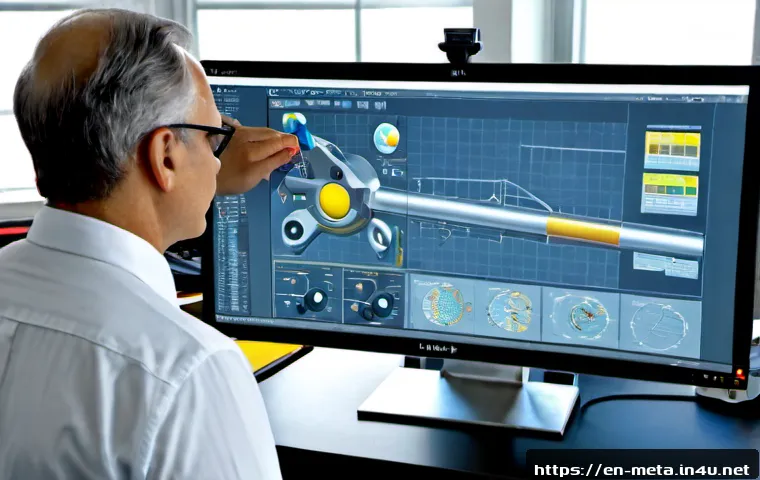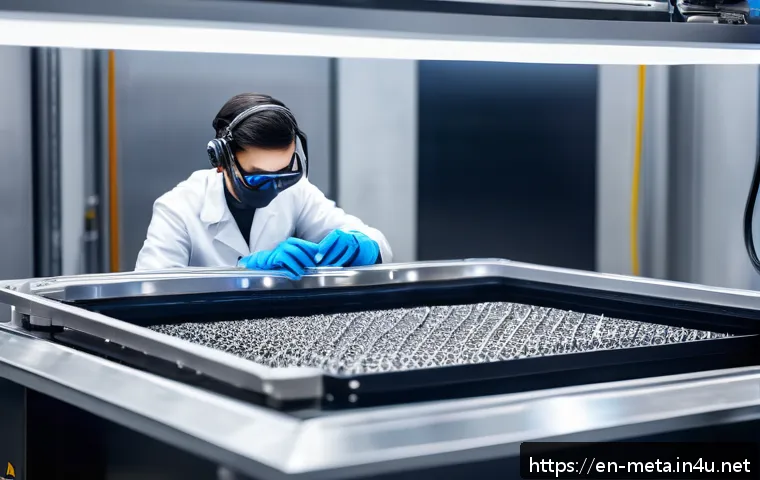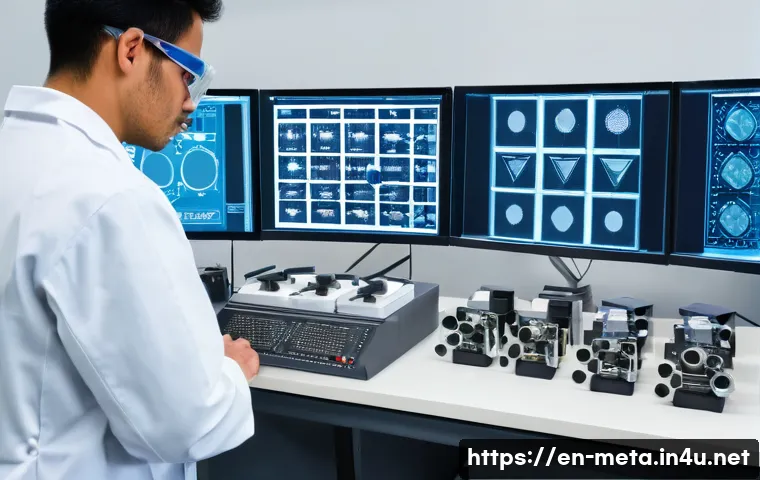
In today’s competitive metal materials industry, having internationally recognized certifications can significantly boost your career prospects and professional credibility.

These certifications not only validate your technical expertise but also open doors to global opportunities in manufacturing, quality control, and research.
With rapid advancements in material science and stricter industry standards, staying certified ensures you remain at the forefront of innovation and best practices.
Whether you’re an engineer, technician, or quality inspector, understanding which international credentials matter most is crucial. Let’s dive deeper and explore the key certifications shaping this dynamic field!
Essential Skills Validated by Global Standards
Material Testing and Analysis Proficiency
Mastering the techniques for evaluating metals is fundamental. Professionals with certifications in material testing showcase their ability to perform destructive and non-destructive tests accurately, interpreting results that determine a material’s suitability.
From tensile strength assessments to microstructure analysis, these skills are pivotal for quality assurance and product development. Personally, I found that hands-on experience combined with a solid credential helped me confidently troubleshoot unexpected failures on the manufacturing floor, which saved valuable time and resources.
Quality Management and Compliance Expertise
Understanding international quality frameworks and compliance requirements is a game-changer in this industry. Certifications that emphasize quality management systems prove your capability to implement process controls, conduct audits, and maintain regulatory adherence.
When I worked on a cross-border project, being certified helped bridge communication gaps and ensured all parties met stringent standards without costly delays.
This expertise also positions you as a trusted professional who can elevate operational excellence within any organization.
Advanced Metallurgical Knowledge
A deep grasp of alloy behavior, heat treatment processes, and corrosion mechanisms is often the core of metal materials certifications. Professionals who earn these credentials demonstrate their ability to innovate, optimize material performance, and extend product lifecycles.
In my experience, having a certification backed by rigorous theoretical and practical knowledge gave me the confidence to propose new materials that improved durability and cut costs, which was highly appreciated by both engineers and management.
Global Recognition and Career Mobility
Expanding Job Opportunities Across Borders
International certifications act as passports in the metal materials world, enabling professionals to work in diverse geographic locations without repeating basic qualification steps.
This flexibility is especially valuable in global companies where projects span multiple countries. I once transitioned smoothly from a local plant role to a multinational team, thanks to my internationally recognized credentials, which were instantly respected by hiring managers abroad.
Building a Professional Network Worldwide
Certifications often come with membership in professional bodies and access to exclusive forums, workshops, and conferences. These platforms are invaluable for networking, sharing insights, and staying updated on industry trends.
From my perspective, connecting with peers globally through certification-associated events has opened doors to collaborative projects and mentorship opportunities that wouldn’t have been possible otherwise.
Boosting Salary Potential and Job Security
Possessing recognized certifications typically correlates with higher compensation and stronger job security. Employers are willing to invest more in certified professionals who reduce risk and enhance product reliability.
Personally, after obtaining key certifications, I noticed a tangible increase in my market value and was often the first considered for promotions and challenging assignments that come with better pay.
Emerging Areas Where Certification Matters Most
Sustainability and Eco-Friendly Material Practices
As the industry shifts toward greener solutions, certifications that focus on sustainable material selection, recycling processes, and environmental compliance are gaining traction.
Professionals certified in these areas demonstrate their commitment to reducing environmental impact while maintaining product integrity. I’ve seen how companies prioritize candidates with such credentials to lead their sustainability initiatives, reflecting a growing market demand.
Digital Integration and Smart Manufacturing Skills
With Industry 4.0 reshaping metal production, certifications incorporating digital tools—like simulation software, automated quality inspections, and data analytics—are becoming essential.
These skills enable professionals to harness technology for improved accuracy and efficiency. I remember integrating digital inspection methods post-certification, which significantly cut down inspection times and improved defect detection rates.
Advanced Welding and Joining Techniques
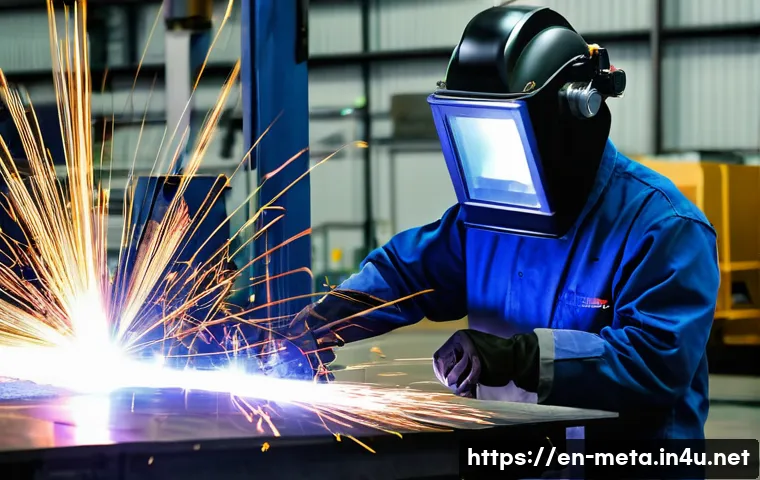
Welding remains a cornerstone of metal fabrication, and certifications in advanced welding methods prove expertise in critical joining technologies. These credentials cover everything from traditional arc welding to laser and friction stir welding, ensuring professionals can meet diverse engineering demands.
From my practical experience, certified welders are trusted to handle complex tasks that directly impact structural safety and performance.
Understanding Credential Tiers and Their Impact
Entry-Level vs. Expert Certifications
The industry offers a spectrum of certifications, from foundational to advanced levels. Entry-level credentials validate basic knowledge and skills, ideal for newcomers or technicians.
In contrast, expert certifications require deeper theoretical understanding and extensive practical experience, often opening doors to senior roles. I started with a basic certification that got my foot in the door, then strategically pursued advanced credentials to move up the ladder.
Role-Specific Certification Pathways
Certifications often align with specific career paths such as materials engineering, quality inspection, or research and development. Selecting the right pathway ensures your skills are directly applicable to your job function.
For example, quality inspectors benefit from certifications focused on inspection standards, while engineers might prioritize metallurgical and design credentials.
This tailored approach helped me focus my learning and maximize career impact.
Renewal and Continuous Learning Requirements
Many certifications require periodic renewal to maintain validity, encouraging professionals to stay current with evolving technologies and standards.
This ongoing education fosters a culture of continuous improvement. In my case, renewing certifications prompted me to attend workshops and update my knowledge, which kept me competitive and well-informed about industry shifts.
Key Benefits of Certification for Employers and Teams
Enhanced Product Reliability and Customer Confidence
Certified professionals contribute directly to producing higher-quality products, reducing defects, and meeting client expectations. This reliability builds trust with customers and enhances brand reputation.
During one project, having a certified team helped us secure a major contract because the client trusted our demonstrated expertise and adherence to international standards.
Streamlined Regulatory Compliance
Employers with certified staff find it easier to navigate complex regulatory landscapes, avoiding fines and delays. Certifications serve as proof of competency that auditors and regulators respect.
From my experience, companies with certified teams tend to pass audits smoothly, minimizing costly interruptions and reinforcing their commitment to compliance.
Fostering Innovation and Best Practices
Certification programs often emphasize the latest best practices and cutting-edge research. Teams with certified members are more likely to innovate and implement effective solutions.
I’ve noticed that certified colleagues bring fresh ideas from recent training sessions that can revolutionize traditional processes and improve efficiency.
Comparison of Popular Certification Programs
| Certification Program | Focus Area | Typical Candidates | Global Recognition | Renewal Frequency |
|---|---|---|---|---|
| Certified Metallurgical Technician | Basic material testing & analysis | Technicians, entry-level engineers | Widely recognized in manufacturing sectors | Every 3 years |
| Quality Management Specialist | Quality systems & compliance | Quality inspectors, supervisors | Highly valued in multinational corporations | Every 2 years |
| Advanced Metallurgist Certification | In-depth metallurgical science | Senior engineers, researchers | Recognized by research institutes globally | Every 5 years |
| Sustainable Materials Professional | Eco-friendly practices & materials | Engineers, environmental managers | Growing acceptance in green industries | Every 3 years |
| Welding Technology Expert | Advanced welding techniques | Welders, fabrication engineers | Internationally respected in construction | Every 3 years |
Strategies for Choosing the Right Certification
Assessing Career Goals and Industry Needs
Start by identifying where you want your career to go and which skills are in demand. If you aim to work in aerospace, certifications emphasizing high-performance alloys and precision testing might be best.
For manufacturing roles, quality management and welding credentials could be more relevant. I found mapping my goals against market trends helped me avoid unnecessary certifications and focus on what truly matters.
Evaluating Certification Providers and Curriculum
Not all certifications hold equal weight. Researching the issuing organizations’ reputation, the depth of their curriculum, and the practical components they offer is crucial.
I once opted for a program with extensive hands-on labs rather than just theoretical exams, which made a big difference in how well I could apply the knowledge on the job.
Considering Time and Financial Investment
Certifications require time, money, and sometimes travel, so balancing these factors with your current workload and budget is important. Some programs offer flexible schedules or online components, which can ease the process.
Personally, choosing a certification that allowed me to study part-time while working made the journey manageable and less stressful.
Conclusion
Certification in the metal materials industry is more than just a credential—it’s a gateway to professional growth, global opportunities, and enhanced expertise. From hands-on skills to advanced knowledge, these certifications empower individuals to excel and innovate. Embracing continuous learning and choosing the right pathways can truly shape a rewarding career.
Useful Information to Keep in Mind
1. Certifications not only validate your skills but also help you stay updated with the latest industry standards and technologies.
2. Choosing a certification aligned with your career goals maximizes its impact and relevance in your field.
3. Many certifications require renewal, encouraging ongoing education and skill enhancement.
4. Internationally recognized credentials open doors to diverse job markets and broaden professional networks.
5. Balancing time, cost, and learning style is essential to successfully complete certification programs without burnout.
Key Takeaways
Certification in metal materials is a strategic investment that boosts your credibility, career mobility, and earning potential. It’s crucial to select certifications that fit your role and industry demands, supported by reputable providers. Continuous renewal and practical experience reinforce your expertise, while certified teams enhance organizational quality and innovation. Ultimately, these credentials serve as a vital foundation for long-term success and adaptability in a fast-evolving field.
Frequently Asked Questions (FAQ) 📖
Q: What are the most valuable international certifications for professionals in the metal materials industry?
A: The most recognized certifications tend to be those offered by organizations like the American Society for Testing and Materials (ASTM), the International Organization for Standardization (ISO), and the Metallurgical Society of the American Institute of Mining, Metallurgical, and Petroleum Engineers (AIME).
Certifications such as Certified Materials Engineer (CMEng), Certified Welding Inspector (CWI), and ISO 9001 Lead Auditor are highly respected. These credentials demonstrate your technical expertise and commitment to quality, making you more competitive in global job markets.
From my experience, having one or more of these certifications has opened doors to roles that require stringent quality assurance and innovative problem-solving.
Q: How can staying certified help me keep up with rapid advancements in material science?
A: Staying certified means you’re regularly updating your knowledge and skills to align with the latest industry standards and technologies. Certification programs often require continuing education or re-certification exams that cover new materials, testing methods, and compliance regulations.
In a field where new alloys, composites, and manufacturing techniques emerge frequently, this ongoing learning ensures you don’t fall behind. Personally, I found that maintaining certification helped me adapt quickly to changes in material testing protocols and quality control processes, which significantly improved my effectiveness on the job.
Q: Are these certifications suitable for all roles within the metal materials industry, such as engineers, technicians, and inspectors?
A: Absolutely. While some certifications are more tailored to specific roles—like Certified Welding Inspector for inspectors or Certified Materials Engineer for engineers—there are many that benefit a wide range of professionals.
For example, ISO 17025 accreditation is valuable for laboratory technicians involved in testing and calibration. The key is to choose certifications that align closely with your current role and career goals.
From what I’ve seen, professionals who strategically select certifications relevant to their duties tend to gain more respect from employers and enjoy better career advancement opportunities.