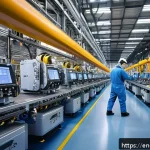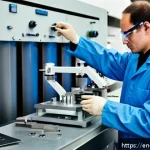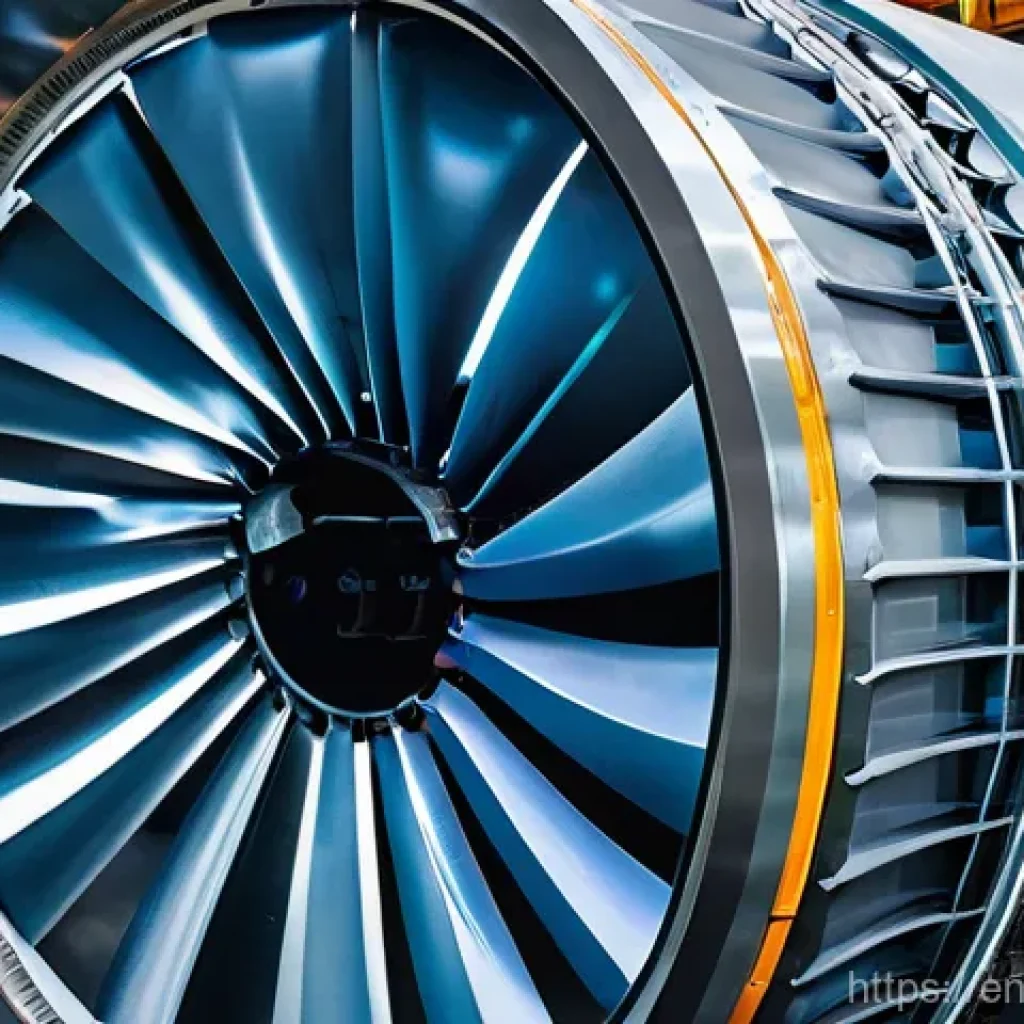
Hey there, fellow energy enthusiasts and tech-savvy explorers! Have you ever paused to think about what truly fuels our modern world and, more importantly, what will power our future?
It’s far more than just flicking a switch; it’s a fascinating, intricate dance between groundbreaking metal materials and innovative energy technologies.
Honestly, when I first started digging into this space, I was blown away by how quickly things are evolving. We’re not just talking about incremental changes anymore; we’re witnessing a complete revolution in how we capture, store, and utilize energy, all thanks to some truly incredible advancements in materials science.
Think about the silent hum of a wind turbine, the sleek efficiency of a solar panel, or the incredible potential of next-generation batteries that might one day store enough power for entire cities – each relies on metals engineered with almost sci-fi precision.
From smart alloys that can withstand extreme conditions to materials that promise to make our energy storage safer and more efficient than ever before, the possibilities feel endless.
It’s a journey into a future where sustainability isn’t just a buzzword, but a tangible reality, crafted one advanced material at a time. It’s truly an exhilarating time to be alive, watching these innovations unfold right before our eyes.
Ready to dive deeper and uncover the remarkable advancements driving our greener tomorrow?
The Metal Backbone of Renewable Energy
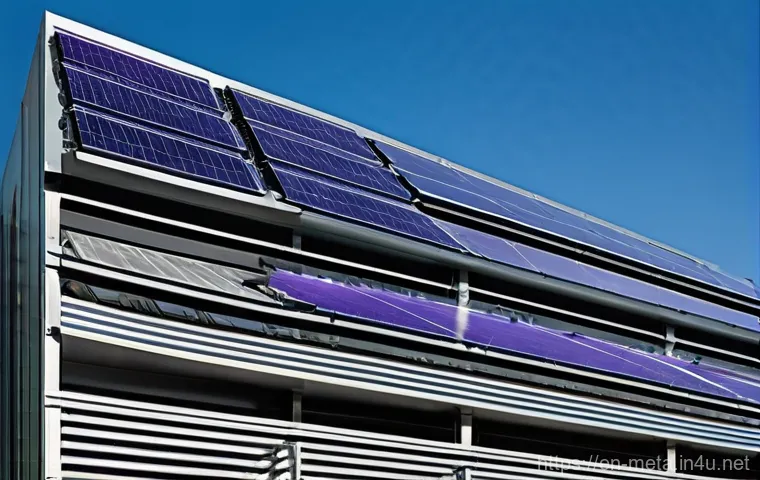
You know, when I first started really looking into renewable energy, I thought it was all about the sun and the wind. And while those natural forces are undeniably the source, what truly fascinated me was realizing that without some seriously clever metal materials, none of it would actually work. It’s like the unsung hero behind the scenes, providing the strength, conductivity, and resilience that these massive structures demand. From the towering wind turbines that harness gusts off the coast to the sleek solar panels soaking up rays on our rooftops, every single component relies on metals engineered to near perfection. I’ve personally visited wind farms, and standing beneath those gargantuan blades, you can’t help but marvel at the sheer engineering. It’s not just steel; it’s specific alloys designed to withstand incredible stresses, temperature fluctuations, and relentless fatigue over decades. And for solar, it’s not just about the silicon cells, but the frames, the wiring, the mounting systems – all need to be durable, lightweight, and conductive to maximize efficiency and longevity. It’s a truly complex puzzle, and the material scientists are absolutely crushing it, constantly pushing the boundaries of what’s possible.
Wind Turbines: From Steel Towers to Rare Earth Magnets
Let’s talk about wind turbines for a moment. You see them dotting landscapes, gracefully spinning, and it’s easy to take them for granted. But the metals involved are incredibly sophisticated. The massive towers themselves are often high-strength steel alloys, designed to flex and endure decades of gusting winds and harsh weather. Then, inside the nacelle, where the magic happens, you have the generator. Many modern generators, especially in direct-drive models, rely on powerful rare earth magnets. These magnets, typically made from neodymium-iron-boron, are crucial for generating electricity efficiently. My experience tells me that without these highly specialized magnetic materials, the size and efficiency of these generators would be dramatically different, potentially making large-scale wind power less economically viable. The global demand for these rare earths is a testament to their vital role in our green energy transition. Engineers are constantly working on new designs and material compositions to reduce reliance on critical minerals while maintaining or even improving performance, which is an exciting area to watch unfold.
Solar Panels: Beyond Silicon – The Quest for Durable and Efficient Frames
When you think of solar panels, the first thing that probably comes to mind is the silicon cells that capture sunlight. But think about everything else that goes into making a panel robust and effective for twenty or more years. The frames, for instance, are predominantly made of aluminum. It’s chosen for its lightweight properties, excellent corrosion resistance, and structural integrity. Living in a place where we get all sorts of weather, from intense sun to heavy rain, I appreciate how critical these frames are in protecting the delicate cells within. Beyond the frames, the electrical contacts and wiring utilize high-purity copper, which is irreplaceable for its superb electrical conductivity. What really gets me excited is seeing the innovation in thin-film solar technologies, where different metallic compounds like cadmium telluride or copper indium gallium selenide (CIGS) are used. These promise lighter, more flexible, and sometimes even more efficient alternatives to traditional silicon, opening up a whole new world of applications for solar energy on unconventional surfaces.
Revolutionizing Energy Storage with Smart Alloys
If there’s one area where materials science feels like pure magic, it’s energy storage. We’ve all experienced the frustration of a dying phone battery, right? Now scale that up to cities, and you understand the monumental challenge and opportunity that advanced materials present. For decades, the bottleneck for widespread renewable energy adoption has been storage. The sun doesn’t always shine, and the wind doesn’t always blow, so we need efficient ways to capture that energy for later use. This is where smart alloys and engineered metals step in, totally transforming what’s possible. From the ubiquitous lithium-ion batteries powering our EVs and devices to the nascent, but incredibly promising, field of hydrogen storage using metal hydrides, metals are at the core of making our energy systems more reliable and resilient. I’ve personally seen the rapid advancements in battery technology just in the last five years, and it’s truly astounding. It’s not just about capacity; it’s about safety, lifespan, charging speed, and sustainability, all of which are deeply intertwined with the metallic components and structures within these storage systems. The impact on our daily lives, from charging our phones faster to potentially powering our homes off-grid, is immense.
Battery Breakthroughs: The Lithium-Ion Evolution and Beyond
Lithium-ion batteries are the undisputed workhorses of modern portable electronics and electric vehicles. The performance of these batteries is intrinsically linked to the materials used in their anodes, cathodes, and current collectors. Initially, we saw a lot of cobalt in cathodes, but concerns over supply chain ethics and cost have driven a massive push toward nickel-rich chemistries and even lithium iron phosphate (LFP) batteries. My personal observation is that the industry is constantly tweaking these metallic compositions to increase energy density, improve cycle life, and enhance safety. For instance, the copper foil used as a current collector is meticulously engineered to be incredibly thin yet robust, minimizing weight and maximizing internal volume for active materials. Beyond lithium-ion, the research into solid-state batteries, which often utilize metallic lithium anodes, is a game-changer. These promise even higher energy densities and dramatically improved safety, potentially eliminating the need for flammable liquid electrolytes. It feels like we’re on the cusp of a true revolution, with new metallic compounds and architectures emerging almost daily.
Hydrogen Storage: The Promise of Metal Hydrides
Hydrogen, as a clean fuel, has always held immense potential, but storing it safely and efficiently has been a major hurdle. This is where advanced metal hydrides come into play, and they are incredibly fascinating. These specialized alloys have the unique ability to absorb hydrogen atoms within their crystal lattice structures, effectively acting like a “sponge” for hydrogen. It’s a bit like magic, watching these materials expand and contract as they take up and release hydrogen gas. Compared to storing hydrogen as a compressed gas or cryogenic liquid, metal hydrides offer a much safer, more compact, and potentially more energy-efficient solution. I remember reading about early experiments in this field, and it’s incredible to see how far the technology has come. Researchers are exploring various metallic compounds, from magnesium-based alloys to complex intermetallics, each offering different absorption/desorption kinetics and capacities. If we can perfect these materials, it opens up vast possibilities for hydrogen-powered vehicles, stationary energy storage, and even as a means to transport hydrogen safely across vast distances. The elegance of using a solid material to store a gas is truly compelling.
Nuclear Energy’s Unsung Metallic Heroes
Nuclear power often conjures up images of massive cooling towers, but beneath that exterior lies a world of incredibly specialized and resilient metal materials that are absolutely critical to its safe and efficient operation. It’s a field where the stakes are incredibly high, and as a result, the materials engineering is pushed to its absolute limits. We’re talking about metals that have to withstand extreme temperatures, intense radiation, and corrosive environments for decades without failure. From the fuel rods themselves to the structural components of the reactor core and the shielding around it, these metallic heroes are working tirelessly, often unseen, to provide a stable and powerful energy source. I’ve always been intrigued by the precision required in nuclear engineering, and the role of materials here is paramount. It’s not just about finding strong metals; it’s about finding metals whose atomic structure can handle continuous bombardment from neutrons without becoming brittle or failing structurally. This requires deep expertise in metallurgy and an unwavering commitment to safety and reliability. Without these advancements in metal alloys, the safe operation and ongoing development of nuclear energy would simply not be possible.
Fueling the Future: Zirconium Alloys and Advanced Reactor Materials
At the heart of most nuclear reactors are the fuel assemblies, and the cladding that encases the uranium fuel pellets is often made of zirconium alloys. Why zirconium? Well, it has a low neutron capture cross-section, meaning it doesn’t absorb too many of the precious neutrons needed for the chain reaction, and it exhibits good corrosion resistance in high-temperature, high-pressure water. However, the conditions inside a reactor core are incredibly demanding, and continuous research is focused on developing ‘accident tolerant fuels’ (ATF) which involve new cladding materials, often based on advanced metallic composites or coatings. My understanding is that these next-generation materials aim to improve safety margins during extreme events and enhance fuel efficiency. Beyond cladding, the structural components of the reactor vessel and internals rely on specialized stainless steels and nickel-based superalloys that maintain their strength and integrity under intense radiation exposure and elevated temperatures. The precision in manufacturing these components is mind-boggling, ensuring every part performs flawlessly for the lifetime of the plant.
Waste Management: Shielding with Specialized Metals
While nuclear energy provides a clean source of power, the management of spent nuclear fuel and radioactive waste is a critical concern. This is another area where specialized metals play an indispensable role, primarily for shielding and long-term containment. Thick concrete often comes to mind, but within and around those structures, various heavy metals are essential. Lead, for instance, is traditionally known for its excellent gamma-ray shielding properties and is used in various applications within nuclear facilities and for transport casks. Depleted uranium, a byproduct of the enrichment process, is also used in some shielding applications due to its high density and good shielding capabilities. For long-term storage and disposal, researchers are looking at highly corrosion-resistant alloys, such as titanium and copper-nickel alloys, for waste canisters that can contain radioactive materials safely for thousands of years within geological repositories. The selection of these metals is a testament to the long-term thinking and rigorous material science required to ensure environmental safety and security for future generations. It’s a huge responsibility, and materials science is delivering the tools to meet it.
Boosting Grid Efficiency: The Role of Advanced Conductors
We often focus on how we generate energy and how we store it, but what about getting that power from where it’s made to where it’s needed? That’s where the electrical grid comes in, and frankly, its efficiency is just as critical. Imagine all that hard-won clean energy being lost as heat simply because of resistance in the transmission lines. It’s a real problem, and advanced metal conductors are our front-line defense against these energy losses. For ages, copper and aluminum have been the workhorses of the electrical grid, and for good reason – they’re great conductors. But as our energy demands surge and we integrate more diverse, often distant, renewable sources, we need even better solutions. This is where cutting-edge metallurgy steps in, developing new alloys and even entirely new classes of materials like superconductors that promise to revolutionize how we move power. My experience tells me that optimizing the grid isn’t as flashy as a new EV battery, but it’s absolutely foundational to a sustainable energy future. Every watt saved in transmission is a watt that doesn’t need to be generated, making our entire system more efficient and environmentally friendly.
Superconductors: A Glimpse into Lossless Energy Transmission
Okay, prepare for some serious science fiction vibes, because superconductors are truly mind-blowing. These are materials that, when cooled below a certain critical temperature, can conduct electricity with absolutely zero resistance. Think about that for a second: no energy loss as heat! The potential for lossless energy transmission lines could totally transform our grid, allowing power plants to be located further from consumption centers without significant losses, and making the integration of remote renewable energy much more feasible. Historically, the challenge has been the extremely low temperatures required (think liquid helium), but advancements in high-temperature superconductors, often ceramic-based but with metallic components like bismuth, strontium, calcium, and copper oxides, are bringing this technology closer to reality. While still largely in the research and demonstration phase, the idea of a grid where power flows unimpeded is incredibly exciting. I personally believe this technology, once scaled and made more cost-effective, will be a game-changer for energy efficiency globally, potentially saving vast amounts of energy currently lost in conventional transmission.
Smart Grids: Alloys for Reliability and Data Flow
The modern electrical grid isn’t just about delivering power; it’s about managing a complex, bidirectional flow of electricity and data. This concept of a “smart grid” requires materials that are not only excellent conductors but also durable, reliable, and capable of supporting advanced sensing and communication technologies. We’re seeing innovations in overhead power lines, like Aluminum Conductor Composite Core (ACCC) cables, which use a carbon fiber composite core instead of steel. This makes them lighter, stronger, and more conductive, allowing them to carry more power with less sag and reduced thermal expansion. Furthermore, the metallic components within smart meters and grid sensors are designed for extreme longevity and precision, often incorporating specialized alloys that resist corrosion and maintain stable electrical properties over decades in outdoor environments. It’s a subtle but crucial aspect: the reliability of our smart grid components, from the smallest connector to the largest transmission tower, hinges on the integrity and performance of the metal alloys used, ensuring that our energy infrastructure can adapt and respond in real-time to demand fluctuations and renewable energy inputs.
Innovations in Fusion Energy: Materials Pushing the Boundaries
Fusion energy, the same process that powers our sun, has long been the holy grail of clean energy. It promises virtually limitless, clean power with minimal radioactive waste. But, let me tell you, getting there is an absolutely monumental challenge, especially when it comes to the materials needed. We’re talking about conditions far more extreme than anything found in conventional nuclear fission reactors or even space travel. Temperatures soar into the millions of degrees Celsius, plasma has to be contained by incredibly powerful magnetic fields, and materials must withstand intense neutron bombardment without degrading. It’s a physicist’s and a metallurgist’s ultimate playground and nightmare rolled into one! When I hear about breakthroughs in fusion, my mind immediately jumps to the incredible material science behind it. We aren’t just looking for strong metals; we need metals that can handle the unimaginable – materials that don’t melt, don’t become brittle, and don’t significantly activate under constant neutron flux. It’s truly pushing the very boundaries of what materials can endure, and every advancement in this area brings us a step closer to realizing this dream of boundless clean energy. It’s an inspiring testament to human ingenuity and persistence.
Extreme Environments: Materials for Fusion Reactors
For fusion reactors, often called tokamaks or stellarators, the internal components facing the superheated plasma require materials with exceptional properties. Tungsten, known for its incredibly high melting point, is a prime candidate for “plasma-facing components” (PFCs) like the divertor, which handles the exhaust heat from the plasma. But even tungsten can become brittle under neutron irradiation. So, researchers are exploring advanced tungsten alloys and composites, sometimes combining it with materials like carbon or ceramics, to enhance its performance and lifetime. The structural materials for the reactor vessel itself often involve advanced steels, like reduced-activation ferritic/martensitic (RAFM) steels, which are designed to become less radioactive over time compared to conventional steels. My understanding is that the goal is to develop materials that can survive the intense neutron flux for decades without significant degradation, ensuring both operational safety and minimizing long-term waste. It’s an intricate dance of material selection and engineering, trying to find the perfect balance of strength, thermal conductivity, and radiation resistance.
Tritium Breeding: Harnessing Liquid Metals
One of the critical aspects of future fusion reactors is tritium breeding. Tritium is an isotope of hydrogen that acts as a fuel for the deuterium-tritium fusion reaction, but it’s not readily available in nature. So, fusion reactors need to produce their own. This is where liquid metals like lithium, often in the form of lithium-lead or lithium-beryllium alloys, come into play within a “breeding blanket” surrounding the plasma. These liquid metals absorb neutrons emitted from the fusion reaction, and through nuclear reactions with lithium, tritium is generated. The challenge here is containing these hot, sometimes corrosive, liquid metals, and ensuring efficient tritium extraction, all while operating under intense neutron flux. Materials like specialized stainless steels or even silicon carbide composites are being investigated for the blanket’s structural integrity. What truly fascinates me about this is the dual role these metallic systems play: not only do they breed the next generation of fuel, but they also transfer heat away from the reactor, which can then be used to generate electricity. It’s a clever, integrated system that relies heavily on advanced metallic material properties.
Sustainable Materials: The Future of Energy Infrastructure
When we talk about a sustainable energy future, it’s not just about how we generate power; it’s also fundamentally about the materials we use to build that future. This means thinking about the entire lifecycle of a material, from mining and processing to manufacturing, use, and ultimately, recycling. The energy transition isn’t just a switch from fossil fuels to renewables; it’s also a shift towards a more circular economy for our critical materials, particularly metals. The demand for metals like copper, lithium, cobalt, and rare earths is projected to skyrocket as we build out more wind turbines, solar panels, EVs, and energy storage solutions. This reality means that sustainable practices in metallurgy and materials engineering are no longer just a nice-to-have; they are absolutely essential. My personal belief is that how we manage our metallic resources will define the true sustainability of our green energy revolution. It’s an exciting challenge that forces innovation at every stage, from more efficient extraction techniques to revolutionary recycling processes that recover nearly every atom. It’s about building a future that’s not only powered by clean energy but also built with responsibility.
Recycling and Circular Economy: Closing the Loop on Energy Metals
The concept of a circular economy for metals used in energy technologies is gaining significant traction, and for good reason. As the sheer volume of retired solar panels, EV batteries, and wind turbine components grows, the ability to efficiently recover and reuse the valuable metals within them becomes paramount. Think about an old EV battery – it’s packed with lithium, cobalt, nickel, and copper. Developing cost-effective and environmentally sound methods to extract these metals, often through hydrometallurgical or pyrometallurgical processes, is a huge area of research and investment. I’ve heard incredible stories of companies developing processes that can recover over 95% of the valuable materials from spent batteries. This not only reduces the need for new mining, which can be environmentally intensive, but also provides a more secure and diversified supply chain for these critical materials. It’s about viewing waste not as trash, but as a rich mine of resources waiting to be tapped. This shift in mindset, driven by advances in material separation and recovery technologies, is a cornerstone of true long-term sustainability in our energy systems.
Lightweighting and Durability: Reducing Material Footprint
Another crucial aspect of sustainable materials in energy is designing for lightweighting and enhanced durability. Why use more material than you need, or build something that only lasts a short time? Every gram saved in an EV reduces its energy consumption, extending range and reducing the size of the battery required. This drives innovation in advanced high-strength steels, aluminum alloys, and composite materials for vehicle bodies and structural components. Similarly, extending the lifespan of energy infrastructure, like wind turbines or solar panels, means less frequent replacement, which in turn reduces the overall material footprint and energy required for manufacturing. For instance, corrosion-resistant coatings and alloys applied to offshore wind turbines can significantly extend their operational life in harsh marine environments. It’s a constant balancing act for engineers: creating materials that are incredibly strong, light, and durable, while also being cost-effective and, increasingly, easy to recycle at the end of their useful life. This holistic approach to material design is essential for ensuring our clean energy transition truly delivers on its promise of a greener future.
| Energy Technology | Key Metal Materials | Primary Role |
|---|---|---|
| Wind Turbines | High-strength Steel Alloys, Neodymium, Dysprosium, Aluminum | Structural support, Magnetism for power generation, Framing |
| Solar Panels | Aluminum, Copper, Cadmium Telluride, Copper Indium Gallium Selenide (CIGS) | Framing, Electrical conductivity, Photovoltaic absorption (thin-film) |
| Lithium-ion Batteries | Lithium, Cobalt, Nickel, Manganese, Copper, Aluminum | Anode/Cathode active materials, Current collectors |
| Hydrogen Storage | Magnesium Hydrides, Lanthanum-Nickel Alloys, Titanium-Iron Hydrides | Hydrogen absorption and desorption |
| Nuclear Fission Reactors | Zirconium Alloys, Stainless Steels, Nickel-based Superalloys, Lead | Fuel cladding, Reactor vessel, Shielding |
| Fusion Reactors | Tungsten, Reduced-Activation Ferritic/Martensitic (RAFM) Steels, Lithium-Lead | Plasma-facing components, Structural integrity, Tritium breeding |
| Electrical Grid (Transmission) | Copper, Aluminum, High-strength Steel, Carbon Fiber Composites (in ACCC) | Conduction, Structural support for cables |
글을마치며
Whew, we’ve covered a lot of ground today, haven’t we? It’s truly incredible to see how deeply intertwined the world of materials, especially metals, is with our journey towards a sustainable energy future. Every time I dig into topics like this, I’m reminded that it’s not just about the big, flashy breakthroughs, but also the unsung heroes in metallurgy and materials science that make it all possible. From the towering strength of wind turbine steel to the microscopic precision of battery alloys, these metallic marvels are the very foundation upon which our green future is being built. It’s a complex, challenging, but ultimately incredibly rewarding field to watch unfold.
알아두면 쓸모 있는 정보
1. Rare Earth Elements are Critical: Keep an eye on the supply chain for rare earth elements like Neodymium and Dysprosium. They’re essential for high-efficiency wind turbine generators and many EV motors, and their availability can significantly impact manufacturing and costs in the renewable sector.
2. Battery Metals are Diversifying: While lithium-ion dominates, continuous research is pushing for alternative chemistries to reduce reliance on single materials. Look out for advancements in solid-state batteries, sodium-ion, and even flow batteries, which could change the landscape of energy storage materials.
3. Recycling is Key to Sustainability: The push for a circular economy in energy metals is gaining momentum. Efficient recycling of EV batteries and solar panels won’t just reduce environmental impact but also create more secure domestic supplies of critical materials, a truly win-win situation.
4. The Grid Needs an Upgrade: It’s not just about producing clean energy, but effectively transmitting it. Innovations in advanced conductors, like ACCC cables and the eventual scaling of superconductors, are vital for minimizing energy loss and making our entire energy system more robust and efficient.
5. Fusion Energy is a Materials Frontier: If you’re fascinated by extreme engineering, delve into the materials challenges of fusion reactors. Developing alloys that can withstand plasma temperatures and intense neutron bombardment is one of humanity’s greatest scientific and engineering quests, with immense potential rewards.
중요 사항 정리
The journey towards a truly sustainable energy future is fundamentally underpinned by the innovative use and continuous development of advanced metallic materials. These metals are critical across the entire spectrum, from renewable energy generation (wind, solar) and efficient energy storage (batteries, hydrogen) to the safe operation of nuclear power, the efficiency of our electrical grids, and the ambitious pursuit of fusion energy. The ongoing commitment to research in metallurgy, alongside robust recycling initiatives, is absolutely essential to ensure we can meet the increasing demand for clean energy solutions globally, providing both the strength and conductivity needed for a greener tomorrow.
Frequently Asked Questions (FAQ) 📖
Q: What specific metal materials are making the biggest waves in energy technology right now, and why are they so crucial?
A: Oh, this is such a fantastic question, and honestly, the answer is constantly evolving, which I find incredibly exciting! When I look at what’s really driving the current energy revolution, a few key metals immediately jump out.
Think about lithium, nickel, and cobalt – these are the rockstars of our modern battery tech, especially for those powerful lithium-ion batteries that fuel everything from our smartphones to electric vehicles.
They’re indispensable for energy storage, which is vital for making renewable sources like solar and wind truly reliable. But it’s not just about batteries!
We’re seeing huge strides with other materials too. Copper, for instance, is absolutely critical for efficient energy transmission in electrical grids, solar panels, and wind turbines because of its superior electrical conductivity and durability.
And let’s not forget aluminum and steel; these mighty metals provide the structural backbone for massive wind turbines and solar panel frames, offering strength, corrosion resistance, and often, the bonus of being highly recyclable.
In my experience, it’s this blend of high-performance battery metals and reliable structural materials that’s really pushing the boundaries of what’s possible in clean energy.
Without these specialized materials, a lot of the green tech we now take for granted just wouldn’t be able to function as efficiently or sustainably as it does.
Q: How are these advanced materials directly contributing to a more sustainable energy future?
A: This is where it gets really inspiring! The direct contributions of advanced materials to a sustainable energy future are multifaceted and profound. Firstly, they significantly boost efficiency.
Take carbon fiber composites, for example. I’ve read and seen how they’re being increasingly used in wind turbine blades. Their incredible strength-to-weight ratio allows for longer, more aerodynamically efficient blades, meaning each turbine can capture more wind energy and generate more electricity.
Similarly, in solar, new semiconductor alloys are being developed that can absorb a wider spectrum of sunlight, promising to push solar cell efficiency beyond what we thought possible with traditional silicon.
Secondly, these materials enhance durability and longevity. Many advanced alloys are designed to be more resistant to corrosion and extreme temperatures, which means energy infrastructure like wind turbines and power grids can last longer, reducing the need for frequent replacements and minimizing waste.
This also reduces maintenance costs, which is a big win for making renewable energy more economically viable in the long run. Finally, and this is something I’m particularly passionate about, the focus on sustainable materials is helping to reduce the environmental footprint of energy production itself.
Researchers are exploring ways to use more abundant, less toxic, and more easily recyclable elements in batteries, moving away from some of the more contentious rare earth metals or finding new extraction methods that are less environmentally disruptive.
Even the integration of smart materials, like shape memory alloys, can optimize turbine performance by adjusting blade shape in response to wind, making energy capture more effective and reducing stress on the materials.
It’s truly a holistic approach to sustainability!
Q: What’s on the horizon for metal materials in energy – what exciting breakthroughs can we anticipate next?
A: Oh, the future in this field is absolutely buzzing with potential, it’s hard to keep up! From what I’m seeing, some truly revolutionary breakthroughs are on the cusp of transforming how we store and generate energy.
One of the biggest areas of excitement is undoubtedly next-generation battery technology. We’re talking about a move beyond just improving lithium-ion.
Researchers are heavily invested in things like solid-state batteries, which use solid electrolytes instead of liquid ones, promising higher energy density, faster charging times, and dramatically improved safety by mitigating the risk of dendrite formation.
Imagine an electric vehicle that charges in minutes and has a range that rivals a gasoline car – that’s the dream, and these new materials are bringing it closer to reality.
I’ve also heard about sodium-ion batteries, which could be a game-changer because sodium is so abundant, potentially reducing our reliance on rarer metals like lithium, cobalt, and nickel.
Beyond batteries, expect to see even “smarter” materials. Think about self-healing alloys that can repair microscopic cracks in turbine components, or advanced coatings that allow solar panels to operate more efficiently even in harsh weather conditions.
There’s also significant work being done on materials for hydrogen fuel cells and advanced nuclear energy (both fission and fusion), where precision alloys are critical for containing extreme temperatures and corrosive environments.
And let’s not forget advancements in nanotechnology, like nanomaterials and two-dimensional materials, which are continually enhancing efficiency across various energy systems, from electronics to solar cells.
The drive towards a circular economy in metals is also a huge trend. I believe we’ll see increasingly sophisticated recycling processes for critical metals, along with the development of alloys that are specifically designed for easier recycling.
It’s a holistic vision where materials aren’t just efficient in their first life, but contribute to a truly sustainable loop. It genuinely feels like we’re on the brink of an energy renaissance, powered by incredible innovations in materials science!