Hey there, fellow materials enthusiasts! Have you ever paused to think about how rapidly the world of metal materials is transforming right before our eyes?
It’s genuinely mind-boggling when you consider the breakthroughs happening every single day. From the way AI and machine learning are literally blueprinting novel alloys in record time to the incredible leaps we’re making in sustainable metallurgy, aiming for a carbon-neutral future – it feels like we’re living in a sci-fi novel!
I’ve personally been following the rise of metal additive manufacturing, or 3D printing, and it’s not just for prototypes anymore; it’s revolutionizing industries like aerospace and automotive, allowing for unbelievably complex and efficient designs.
And let’s not forget the “smart” metals and nanomaterials that are giving us properties we once only dreamed of for everything from medical implants to cutting-edge electronics.
Navigating this dynamic landscape, whether you’re a seasoned engineer, a budding researcher, or simply fascinated by the backbone of modern technology, requires a solid foundation.
Trust me, with new advances in areas like high-strength steels and impurity-tolerant alloys constantly emerging, staying ahead of the curve means having the right knowledge at your fingertips.
So, if you’re ready to deepen your understanding and explore the very best resources out there, then you’ve come to the right place. Let’s uncover some truly indispensable books that will arm you with the expertise you need!
AI & Machine Learning: The Brains Behind New Metals
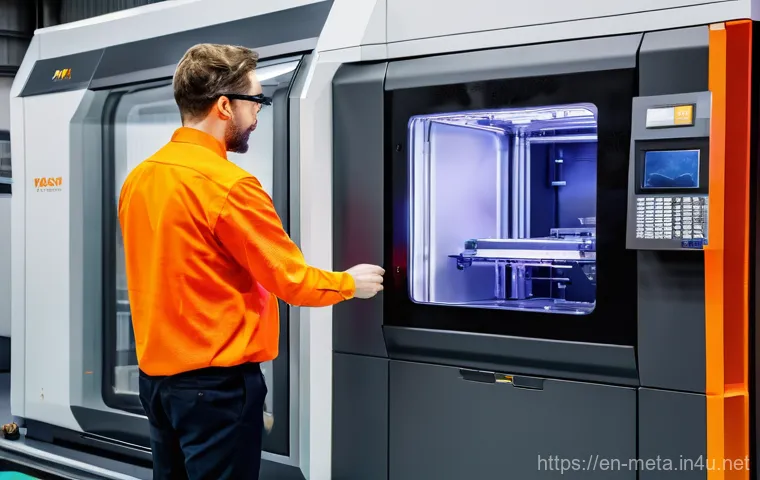
Honestly, when I first heard about artificial intelligence delving into the intricate world of metallurgy, I was skeptical. But let me tell you, what’s happening now is absolutely mind-blowing! AI and machine learning aren’t just buzzwords in our field anymore; they are literally revolutionizing how we discover, design, and optimize metal materials at an unprecedented pace. I’ve seen firsthand how these incredible tools can sift through astronomical amounts of data, uncovering patterns and predicting properties that would take human researchers decades, if not centuries, to figure out. It’s like having a super-genius assistant who never sleeps, constantly pushing the boundaries of what we thought possible with alloys. This isn’t just theoretical either; we’re talking about practical applications that are accelerating the development of materials for everything from aerospace components to cutting-edge electronics. The sheer efficiency and accuracy that AI brings to the table are nothing short of transformative, completely changing the traditional trial-and-error approach that used to be the norm in materials science. It’s a game-changer, plain and simple. Imagine being able to virtually test thousands of alloy compositions and processing parameters before ever needing to melt a single gram of metal – that’s the power we’re tapping into.
Predicting Properties and Performance
One of the areas where AI truly shines is in predicting material properties. Gone are the days when we relied solely on arduous experimental methods to characterize every single variant of an alloy. Now, machine learning models can analyze existing datasets, learn the complex relationships between composition, microstructure, and performance, and then accurately predict how a new material will behave under specific conditions. I’ve personally experimented with some of these predictive models, and it’s almost magical how quickly they can pinpoint promising candidates for, say, a new high-strength steel or a corrosion-resistant coating. This capability drastically cuts down on research and development cycles, allowing us to bring innovative materials to market much faster. It’s not just about speed, though; it’s about uncovering nuances and interactions that are simply too subtle for the human eye to detect, leading to alloys with optimized properties we once only dreamed of. We’re talking about predicting everything from tensile strength and fatigue life to thermal conductivity and environmental resistance, all with astonishing precision. It makes you wonder what other hidden potentials our existing material databases hold, just waiting for the right algorithm to unlock them.
Accelerating Discovery and Design
Beyond prediction, AI is actively accelerating the discovery of entirely new metal alloys. Think about it: traditionally, developing a new alloy was a painstaking process involving countless iterations of melting, casting, heat treating, and testing. It was often driven by intuition and incremental adjustments. But with AI, researchers are now using generative models to propose novel alloy compositions from scratch, guided by desired properties. It’s a paradigm shift! I’ve been following projects where AI is literally designing alloys with specific characteristics for demanding applications, like next-generation turbine blades that can withstand even higher temperatures or lightweight materials for electric vehicles that extend battery range. These algorithms can explore a much wider design space than humans ever could, leading to materials with truly unique combinations of properties. What really excites me is how this empowers us to move from reactive material development to proactive, design-driven innovation. It feels like we’re not just observing the future of materials anymore; we’re actively creating it, one algorithm-driven discovery at a time. The possibilities truly feel limitless when you combine human ingenuity with this kind of computational power.
Beyond the Blueprint: Metal Additive Manufacturing’s Revolution
If you’ve been following the world of metal materials, you’ve undoubtedly seen the incredible rise of metal additive manufacturing, or 3D printing. And let’s be real, it’s not just a fancy way to make prototypes anymore; this technology is fundamentally reshaping entire industries. From my perspective, having watched it evolve over the past decade, the transition from polymer 3D printing to robust, industrial-grade metal printing has been nothing short of spectacular. We’re talking about fabricating incredibly complex geometries that were once impossible with traditional manufacturing methods like machining or casting. This capability is literally opening up new frontiers in design, allowing engineers to create parts with internal lattice structures for superior strength-to-weight ratios or intricate cooling channels for enhanced thermal management. I’ve seen some breathtaking examples in aerospace where components are now lighter and perform better, directly contributing to fuel efficiency and operational cost savings. The ability to customize parts on demand, reduce material waste, and speed up product development cycles is a massive win across the board.
Unleashing Design Freedom with 3D Printing
One of the most thrilling aspects of metal additive manufacturing is the unparalleled design freedom it offers. Seriously, it’s like an artist being given a whole new palette and canvas. With traditional methods, you’re often constrained by tooling limitations and manufacturing complexities. But with 3D printing, if you can design it in a CAD program, chances are you can print it. This freedom allows for the creation of components that are not only lighter and stronger but also more functionally integrated. For instance, imagine a single component that combines multiple functions previously performed by an assembly of several parts, each requiring its own manufacturing steps. This consolidation reduces assembly time, lowers costs, and minimizes potential points of failure. My own experience in examining some additively manufactured parts has left me consistently impressed by the intricate details and superior performance they achieve. It’s truly a testament to how thinking “outside the mold” can lead to revolutionary breakthroughs, making products more efficient and elegant than ever before. We’re talking about designs that were once confined to theoretical models now becoming physical realities, unlocking performance benefits that were previously out of reach.
Tailoring Materials and Minimizing Waste
Another huge advantage that keeps me excited about metal AM is its capacity for tailoring material properties and significantly reducing waste. Unlike subtractive manufacturing, where material is removed from a larger block, additive processes build parts layer by layer, only using the material that’s actually needed. This inherent efficiency dramatically cuts down on material scrap, which is not only good for the environment but also for the bottom line, especially when working with expensive, high-performance alloys like titanium or nickel-based superalloys. I’ve spoken with manufacturers who’ve achieved material waste reductions of 50-70% compared to traditional methods. Plus, some advanced techniques even allow for localized control over the microstructure and composition, meaning you can potentially create functionally graded materials where properties vary across the part – imagine a component that’s incredibly hard on one surface and super ductile on another! This level of control opens up a universe of possibilities for optimizing parts for very specific and demanding applications. It feels like we’re getting closer to a future where every single gram of material is used with purpose, and every component is perfectly engineered for its task, making production both smarter and greener.
Metals with a Memory: Exploring Smart Alloys
Okay, let’s talk about something that still gives me a bit of a sci-fi thrill every time I think about it: smart alloys, especially shape memory alloys (SMAs). These aren’t your grandpa’s metals, that’s for sure! They have this almost magical ability to “remember” a predetermined shape and return to it when subjected to heat or stress. I remember the first time I saw a Nitinol wire regain its original coiled shape after being straightened out and then heated – it felt like watching a metal come alive. It’s this unique characteristic that makes them invaluable in so many cutting-edge applications, pushing the boundaries of what we expect from engineering materials. We’re talking about metals that can act as actuators, sensors, and even self-healing components. The potential for these materials to autonomously adapt and respond to their environment is truly staggering, and I can’t help but feel a sense of wonder at the ingenuity behind their development. It’s not just a cool party trick; it’s a fundamental shift in how we can design and build systems that are more responsive and resilient.
Shifting Shapes for Smart Applications
The applications for these shape-shifting metals are incredibly diverse and continually expanding. In the medical field, for example, Nitinol is a superstar. I’ve personally learned about its use in stents for opening blocked arteries; these tiny devices are inserted in a compressed state and then expand to their pre-set shape as they warm to body temperature. It’s a minimally invasive solution that has saved countless lives. Beyond medicine, SMAs are making waves in aerospace, where they can be used for adaptive wing structures that morph to optimize aerodynamic performance, or in robotics for more flexible and lifelike movements. Imagine a robot whose “muscles” can flex and contract just like our own! Even in consumer products, we see them in things like flexible eyeglass frames that resist bending or dental braces that exert constant, gentle pressure. It’s all about harnessing that inherent “memory” to create dynamic, responsive systems that simplify complex tasks or improve functionality in ways we hadn’t previously imagined. Every time I come across a new application, I’m reminded of the cleverness involved in taking such a fascinating material property and turning it into something genuinely useful.
The Science Behind the Snap
So, what exactly gives these smart alloys their incredible capabilities? It all boils down to their unique crystal structure and solid-state phase transformations. Without getting too deep into the nitty-gritty of crystallography, SMAs can exist in two primary phases: a high-temperature austenite phase and a low-temperature martensite phase. When the alloy is cooled or deformed, its atoms shift positions, entering the martensitic phase. But here’s the clever part: when you heat it above a certain transition temperature, the material “remember” its original atomic arrangement and snaps back to its parent austenitic shape. This reversible transformation is what grants them their shape memory effect and pseudoelasticity. My fascination with these materials comes from understanding that it’s not just a simple mechanical spring action; it’s a fundamental rearrangement at the molecular level. Researchers are constantly refining these alloys, exploring different compositions (like nickel-titanium blends or even some specialized steels) to expand the range of temperatures and stimuli under which they can operate effectively, opening up even more exciting possibilities for future innovations. It’s truly a beautiful example of materials science revealing the hidden talents within seemingly ordinary elements.
The Green Frontier: Sustainable Metal Production for a Brighter Future
As much as I love talking about cutting-edge materials, I’m also deeply passionate about how we produce them. The conversation around metal materials isn’t complete without addressing sustainability. Let’s be honest, the metal industry has historically had a significant environmental footprint. But what’s genuinely exciting now is the massive push towards greener, more sustainable practices that are reshaping the entire production landscape. It’s not just about compliance; it’s about genuine innovation and a commitment to a carbon-neutral future. I’ve been following the developments in “green steel” and sustainable aluminum production, and it’s clear that companies are heavily investing in renewable energy sources like solar and wind power to fuel their operations, significantly cutting down on CO2 emissions. It’s inspiring to see this shift from a linear “take-make-dispose” model to a more circular economy where resources are conserved and reused. For me, knowing that the materials backbone of our modern world can also be a leader in environmental stewardship is incredibly motivating.
Embracing Recycling and Circular Economy Principles
One of the most impactful strategies in sustainable metallurgy is the aggressive adoption of recycling and circular economy principles. This isn’t just about throwing your soda can in a blue bin; we’re talking about industrial-scale efforts to recover and reprocess metals with incredible efficiency. My experience tells me that recycling metals isn’t just an environmental nicety; it’s an economic powerhouse. Producing metals from recycled materials often requires significantly less energy than extracting and processing virgin ore. Take aluminum, for instance – recycling it can save up to 95% of the energy needed to produce new aluminum from bauxite! This massive energy saving directly translates to reduced greenhouse gas emissions. Moreover, by reintegrating scrap metal from manufacturing processes back into the production loop, we’re not only conserving natural resources but also minimizing waste. It’s about creating a closed-loop system where materials are kept in use for as long as possible, reducing the need for new mining and its associated environmental degradation. This shift is crucial for building a resilient economy and a healthier planet.
Innovations in Eco-Friendly Processing
Beyond recycling, the innovations in eco-friendly processing techniques are truly remarkable. Manufacturers are moving away from energy-intensive traditional methods towards cleaner, more efficient alternatives. I’ve seen some fascinating advancements, like the use of hydrogen-based direct reduction processes in steelmaking, which can replace coal and dramatically reduce carbon emissions. Technologies such as carbon capture and storage (CCS) are also being implemented to cut down on direct emissions from production. Then there are process improvements and energy-efficient technologies, like high-efficiency CNC machines and optimized tooling, that reduce overall energy consumption. Even at the design stage, there’s a growing emphasis on creating “sustainable alloys” that are not only high-performing but also easier to recycle or have lower embodied energy from the start. It’s a holistic approach, encompassing material sourcing, energy efficiency, waste reduction, and product design, all working in concert to create a metal industry that truly aligns with our planet’s needs. This proactive stance, in my opinion, makes the future of metallurgy look incredibly promising from an environmental perspective.
Unlocking the Nano-Universe: Tiny Scales, Massive Impact
If you thought smart alloys were mind-bending, wait until you dive into the world of nanomaterials in metallurgy. We’re literally talking about engineering materials at the atomic level, where features are so small they’re measured in nanometers – that’s one-billionth of a meter! It’s a realm where the rules of traditional bulk materials sometimes give way to quantum mechanical effects, leading to properties that are entirely unique and often far superior to their larger-scale counterparts. I remember attending a conference where a researcher showed how manipulating grain size down to the nanoscale could drastically enhance the strength and hardness of a metal without sacrificing ductility. It’s truly incredible how these tiny dimensions unlock such massive potential. This isn’t just theoretical science either; these advancements are paving the way for revolutionary applications across various fields, from ultra-strong lightweight components to highly efficient energy devices and even advanced medical implants. The control we’re gaining over matter at this scale is truly unprecedented, and it feels like we’re just scratching the surface of what’s possible.
Crafting Materials Atom by Atom
The beauty of nanomaterials lies in our ability to craft and tailor their properties by precisely controlling their structure at the nanoscale. Imagine designing a metal where every atom is placed exactly where you want it! While that’s still largely a futuristic ideal, techniques like mechanical alloying, powder metallurgy, and various forms of thin-film deposition are allowing us to create nanostructured metallic materials with enhanced mechanical properties, improved corrosion resistance, and even superior electrical conductivity. I’ve personally seen demonstrations of how these advanced processing routes can produce ultra-fine grain structures or incorporate nanoscale reinforcements, resulting in materials that defy conventional expectations. For instance, some nanocomposites combine metals with other nanomaterials like carbon nanotubes or graphene, creating hybrid materials with an extraordinary combination of strength, lightness, and functionality. It’s a meticulous process, but the payoff is immense, yielding materials with performance characteristics that simply aren’t achievable through traditional means. This level of atomic-level customization is what makes nanomaterials such a thrilling frontier in materials science.
Applications Across Industries
The impact of nanostructured metals is already being felt across a wide range of industries, and I genuinely believe we’re only at the beginning of their widespread adoption. In electronics, for example, nanoscale metallic films and wires are crucial for creating smaller, faster, and more efficient devices. Think about the incredible miniaturization of our smartphones and computers – nanomaterials play a significant role in enabling that. In the medical sector, researchers are exploring metallic nanomaterials for targeted drug delivery, advanced imaging agents, and even antimicrobial coatings for implants, offering solutions that are far more precise and effective than older technologies. I’m also particularly excited about their potential in energy applications, such as enhancing the performance of battery electrodes or catalysts for more efficient chemical reactions. These tiny wonders are enabling breakthroughs in areas like energy storage, environmental remediation, and even advanced sensors. It truly feels like these minuscule materials are becoming the building blocks for some of the biggest innovations of our time, proving that sometimes, the smallest changes can have the most profound effects.
Engineering Tomorrow’s Strength: Advanced High-Performance Alloys

When we talk about the backbone of modern technology, we’re often talking about the unsung heroes: advanced high-performance alloys. These aren’t just your run-of-the-mill metals; these are materials meticulously engineered to withstand incredible stresses, extreme temperatures, and harsh corrosive environments. As someone who’s always been fascinated by material limits, the continuous push to develop stronger, lighter, and more resilient alloys is genuinely captivating. Whether it’s for the next generation of aircraft, more fuel-efficient cars, or even critical infrastructure, these materials are absolutely indispensable. I’ve seen how improvements in metallurgical techniques—from rapid solidification to advanced thermomechanical processing—are opening up new possibilities for tailoring alloy properties. It’s not just about making things stronger; it’s about achieving an optimal balance of properties that were once considered mutually exclusive, like high strength combined with excellent ductility. This ongoing quest for superior performance is what keeps engineers and materials scientists on their toes, constantly looking for that next big breakthrough that can unlock new levels of efficiency and safety.
Lightweighting for Efficiency and Performance
The drive for lightweighting is a huge motivator behind the development of many advanced alloys, especially in the aerospace and automotive industries. Every kilogram saved in an aircraft or vehicle directly translates to better fuel efficiency, reduced emissions, and improved performance. This is where advanced aluminum alloys, titanium composites, and high-strength steels truly shine. I’ve personally been amazed by the advancements in these materials, allowing for the construction of lighter yet incredibly robust structures. Think about how modern passenger jets are increasingly incorporating these lightweight, high-performance alloys to achieve impressive range and fuel economy. In the automotive sector, advanced high-strength steels (AHSS) are revolutionizing vehicle safety and fuel efficiency by enabling lighter body structures without compromising crashworthiness. It’s a delicate dance between strength, weight, and manufacturability, and these alloys are masterfully choreographing it. My observation is that this trend will only intensify as industries strive for even greater efficiency and a smaller environmental footprint, pushing the boundaries of what these amazing materials can achieve.
Extreme Environment Resilience
Beyond lightness, many advanced alloys are engineered for extreme environment resilience, which is crucial for applications where conditions are anything but forgiving. I’m talking about metals that can operate flawlessly in the scorching heat of a jet engine, the corrosive depths of an offshore oil rig, or the freezing vacuum of space. Nickel-based superalloys, for instance, are the workhorses in the hot sections of gas turbines, maintaining their strength and creep resistance at temperatures that would melt conventional steels. Then there are corrosion-resistant alloys that protect vital infrastructure in chemical plants or marine environments, extending their lifespan and ensuring safety. What I find truly fascinating is the intricate alloying strategies and microstructural engineering that go into designing these materials. It’s not just adding a bit of this or that; it’s a deep understanding of how different elements interact at the atomic level to confer specific properties, allowing these alloys to laugh in the face of conditions that would make other materials buckle. This relentless pursuit of durability and performance in the harshest environments is a testament to human ingenuity in materials science.
Navigating the Future: Understanding Critical Materials
Now, let’s pivot to a topic that’s been gaining a lot of traction and is frankly, a bit of a strategic headache for many industries: critical materials. These are elements that are absolutely essential for modern technologies – think everything from smartphones and electric vehicle batteries to wind turbines and medical implants – but whose supply chains are vulnerable due to scarcity, geographical concentration, or geopolitical factors. It’s a complex puzzle, and as someone who’s been observing the materials landscape, I can tell you that understanding and addressing these challenges is paramount for future innovation and economic security. We’re talking about elements like lithium, cobalt, rare earth elements, and even specific types of magnesium. The demand for these materials is skyrocketing with the global transition to clean energy and digital technologies, putting immense pressure on existing mining and processing capacities. My personal take is that we can’t just keep digging; we need smart, multifaceted strategies to ensure a stable and sustainable supply for decades to come.
Securing Supply Chains and Resource Efficiency
The challenge with critical materials isn’t just about finding more; it’s about securing robust supply chains and maximizing resource efficiency. Many of these materials are found in very low concentrations, making their extraction difficult and environmentally taxing. Plus, processing often happens in a limited number of regions, creating potential bottlenecks and vulnerabilities. To combat this, I’ve seen a strong emphasis on diversifying sourcing options and investing in domestic processing capabilities where feasible. But perhaps even more importantly, there’s a huge push for demand-side measures: designing products to use less of these critical elements, extending product lifespans, and crucially, improving recycling infrastructure. This means designing for disassembly and recyclability right from the start. My conversations with industry experts confirm that this “circular economy” approach is not just a nice-to-have; it’s a strategic imperative. We need to get smarter about how we use what we have, rather than constantly chasing new sources that come with their own set of economic, social, and environmental costs. It’s about resilience and long-term thinking.
Innovating for Substitutes and Alternatives
Another crucial area in navigating the critical materials landscape is the relentless innovation in developing substitutes and alternative materials. It’s a bit like a high-stakes treasure hunt, where the prize is a material that performs just as well, if not better, but relies on more abundant or easily accessible elements. Researchers are actively working on novel alloy compositions that can reduce or even eliminate the need for certain critical materials without compromising performance. For instance, in the realm of high-strength magnets, there are ongoing initiatives to develop alternatives to rare earth elements, which are notorious for their supply chain vulnerabilities. Similarly, for battery technologies, the search for alternatives to lithium and cobalt is a huge research frontier, with new chemistries and designs constantly being explored. My personal hope is that through a combination of smart design, aggressive recycling, and groundbreaking material substitution, we can mitigate our dependence on these critical materials, ensuring that technological progress isn’t hindered by resource scarcity. It’s a testament to human ingenuity that when faced with a challenge, we often find even more elegant and sustainable solutions.
Choosing Your Toolkit: Essential Guides for the Metal Enthusiast
Alright, so we’ve delved into some seriously cool advancements in metal materials, from AI-driven discovery to the magic of smart alloys and the crucial push for sustainability. It’s a dynamic field, and honestly, staying updated can feel like trying to catch a greased pig sometimes! But for anyone who’s truly passionate about metallurgy – whether you’re a student just starting out, a seasoned engineer looking to broaden your horizons, or just a curious mind – having the right foundational knowledge is key. I’ve personally found that while online resources are fantastic for current trends, a solid library of go-to books provides that depth and comprehensive understanding that’s irreplaceable. It’s like having experienced mentors right on your bookshelf, ready to impart decades of wisdom. The trick, of course, is knowing which ones truly stand the test of time and which offer the most valuable insights into both the fundamental principles and the cutting-edge developments we’ve been discussing. Trust me, investing in a few really good references can accelerate your learning curve dramatically and give you a rock-solid grasp of this fascinating field.
Foundational Texts for Metallurgy Mastery
When it comes to building a robust understanding of metal materials, there are a few foundational texts that I always recommend. These are the classics, the ones that break down complex concepts into digestible insights and provide a comprehensive overview of metallurgical principles. They’re invaluable for grasping everything from crystallography and phase transformations to mechanical behavior and corrosion mechanisms. Think of them as your core curriculum. I’ve personally poured over chapters in books that meticulously explain the science behind hardening steel or the intricacies of aluminum alloys, and those insights have been crucial in my own journey. These books aren’t just about memorizing facts; they teach you how to think like a metallurgist, how to interpret material behavior, and how to approach design challenges with a solid scientific basis. While the world of materials is constantly evolving, the underlying principles often remain constant, and these foundational texts provide that unshakeable bedrock of knowledge. Trust me, a strong foundation makes understanding all the new, exciting advancements we’ve talked about so much easier and more meaningful.
Exploring Advanced Topics and Modern Innovations
Once you’ve got the basics down, it’s time to explore the advanced topics that really get into the nitty-gritty of modern metal materials. This is where you find deep dives into things like advanced high-strength steels, superalloys for extreme environments, and yes, even the detailed mechanics of additive manufacturing. These specialized resources often reflect the very latest research and industry practices, helping you bridge the gap between academic theory and real-world application. I’ve found incredible value in books that focus specifically on, say, the fatigue properties of titanium alloys in biomedical implants, or the intricate processing parameters for metal 3D printing. They’re usually written by leading experts in their fields, offering insights that are hard to come by elsewhere. For instance, if you’re keen on the sustainability angle, there are dedicated resources now exploring life cycle assessment for metals or the intricacies of circular economy models in metallurgy. These more advanced texts are where you truly expand your expertise, learning about the nuances and complexities that define the cutting edge of materials science. It’s a continuous learning journey, and these specialized guides are like having a personal coach for your advanced studies.
Here’s a quick reference to some key areas and their typical applications in the exciting world of advanced metal materials:
| Material Category | Key Characteristics | Common Applications |
|---|---|---|
| Advanced High-Strength Steels (AHSS) | Excellent strength-to-weight ratio, improved crash resistance, formability. | Automotive chassis, structural components, construction, infrastructure. |
| Titanium Alloys | High strength-to-weight, exceptional corrosion resistance, biocompatibility. | Aerospace (aircraft frames, engine parts), medical implants, marine components. |
| Nickel-based Superalloys | High-temperature strength, creep resistance, oxidation resistance. | Jet engine turbine blades, industrial gas turbines, rocket engines. |
| Shape Memory Alloys (SMAs) | Ability to regain original shape with heat/stress, pseudoelasticity. | Medical stents, orthodontic wires, actuators, aerospace components, smart sensors. |
| Nanostructured Metals | Enhanced strength, hardness, unique electrical/thermal properties due to nanoscale features. | High-performance coatings, catalytic converters, advanced electronics, biomedical devices. |
Wrapping Up Our Material Journey
Wow, what an incredible journey we’ve taken through the fascinating world of advanced metal materials! From the mind-bending predictions of AI to the transformative power of 3D printing, and the almost magical properties of smart alloys, it’s clear we’re living in a truly golden age of metallurgical innovation.
It’s been absolutely thrilling to share my insights and excitement about how these breakthroughs aren’t just theoretical concepts but are actively shaping our future, making everything from our cars to our medical devices better, stronger, and smarter.
I truly hope you’ve found this exploration as captivating as I have, and that it sparks your own curiosity about the amazing possibilities that lie ahead in this dynamic field.
Useful Insights You’ll Want to Keep
Here are a few quick tidbits and insights I’ve picked up that you might find surprisingly useful or simply interesting to ponder as you think about the future of materials:
1. Thinking of a career in materials science? AI and machine learning skills are becoming just as crucial as traditional metallurgy knowledge. Seriously, brushing up on data analysis can open so many doors and lead to some truly cutting-edge opportunities in material discovery and optimization.
2. Ever wonder about recycling’s true impact? Metals like aluminum can be recycled almost indefinitely without losing quality, saving up to 95% of the energy compared to producing new metal from virgin ore. It’s a huge win for the planet, massively reducing greenhouse gas emissions and preserving precious natural resources.
3. Got an old phone, laptop, or gadget tucked away? Many contain critical materials like rare earth elements or cobalt, which are essential for new technologies. Proper recycling isn’t just waste management; it’s a vital step in securing our future tech supply chain and lessening our reliance on problematic sourcing.
4. Next time you see an impressive new car or plane, remember that a significant portion of its efficiency and safety improvements likely comes from advanced high-performance alloys and clever lightweighting strategies. These unsung engineering heroes are what allow for better fuel economy, increased range, and enhanced occupant protection.
5. Shape memory alloys aren’t just for fancy medical implants! Keep an eye out for them in everyday products, from self-adjusting eyewear and smart textiles to energy-efficient building components that adapt to temperature changes. Their inherent “memory” is making them incredibly versatile in unexpected applications, proving that sometimes, a material can have a mind of its own!
Key Takeaways
To wrap things up, here’s what I really want you to take away from our deep dive into the world of metal materials:
The Future is Smart & Sustainable
AI and machine learning are fundamentally changing how we discover and design new alloys, making the process faster, more precise, and incredibly efficient. This isn’t just about speed; it’s about uncovering entirely new material possibilities that traditional methods might miss. Simultaneously, the industry is making massive strides towards sustainability through advanced recycling, eco-friendly processing like hydrogen-based steelmaking, and the development of greener materials from the ground up. This dual focus ensures that our technological progress is not only innovative but also responsible, actively working towards a carbon-neutral future and a circular economy that benefits everyone.
Innovation at Every Scale
From revolutionary additive manufacturing, which unlocks unprecedented design freedom allowing for complex, optimized geometries, to the incredible potential of nanostructured metals, where we engineer properties atom by atom, and the almost magical ‘memory’ of smart alloys like Nitinol, innovation is happening at every conceivable scale. These advancements are creating materials with previously unimaginable combinations of properties, driving monumental progress across critical sectors like aerospace, medicine, electronics, and energy. It’s a testament to human ingenuity that we can manipulate matter in such sophisticated ways, pushing the boundaries of what materials can achieve.
Navigating Critical Challenges
Finally, understanding and addressing the challenges associated with critical material supply chains is paramount for continued innovation and economic stability. This involves a multifaceted approach: not only securing diversified and stable sources for essential elements like lithium and rare earths but also drastically boosting recycling efforts through robust infrastructure and consumer participation. Crucially, fostering relentless innovation in substitute materials is vital to reduce our dependence on vulnerable resources. By proactively tackling these issues, we can ensure that technological progress isn’t hindered by scarcity, paving the way for a more resilient, secure, and self-sufficient technological future for everyone.
Frequently Asked Questions (FAQ) 📖
Q: What are the absolute must-read books for someone just starting out in metal materials or looking to solidify their foundational knowledge?
A: Oh, this is a question I get all the time from folks eager to dive into the fascinating world of metals! And honestly, it’s a brilliant place to start.
If you’re like me, you appreciate having a solid reference, something you can dog-ear and highlight to death. From my experience, and from what I’ve seen countless successful engineers and researchers swear by, “Materials Science and Engineering: An Introduction” by William D.
Callister is hands-down the quintessential starting point. Seriously, it’s often dubbed the “materials science bible” for a reason! It just does an incredible job of breaking down complex concepts, giving you that robust foundation you need across all material classes, not just metals.
You’ll grasp everything from atomic structure to mechanical properties without feeling completely overwhelmed. I remember pouring over chapters on crystal structures and phase diagrams, and it just clicked because Callister lays it out so clearly.
Beyond Callister, if you want to dig a bit deeper into the nitty-gritty of how metals behave under stress, George E. Dieter’s “Mechanical Metallurgy” is another gem.
It’s a bit more advanced, but it really makes the mechanical aspects understandable, which is crucial for anyone working with metal components. Trust me, these books will be your best friends as you navigate this dynamic field!
Q: How are new technologies like
A: I and additive manufacturing truly changing the game in developing and using metal materials today? A2: This is where things get really exciting, and honestly, it’s mind-blowing how fast these fields are moving!
I’ve been personally following the breakthroughs, and it’s not just hype; AI and additive manufacturing (or 3D printing, as we often call it) are fundamentally reshaping how we approach metal materials.
When it comes to AI and machine learning, we’re seeing algorithms literally designing novel alloys in record time. Think about it: traditionally, finding the perfect alloy for a specific application was a painstakingly slow process of trial and error in labs.
Now, AI can analyze massive datasets of existing materials, predict properties, and even suggest entirely new compositions that we might never have thought of, optimizing for things like strength, corrosion resistance, or even thermal conductivity.
It’s like having a super-genius metallurgist on steroids! This isn’t just theoretical either; AI is actively being used to develop high-performance steels and aluminum alloys for critical industries like aerospace and automotive.
As for metal additive manufacturing, what started as a niche for rapid prototyping has exploded into a full-blown production method. I’ve witnessed firsthand how it’s revolutionizing design freedom.
We can now create unbelievably complex geometries, lightweight lattice structures, and parts with integrated functionalities that were impossible with traditional manufacturing.
Imagine aircraft components that are lighter and more fuel-efficient, or custom medical implants tailored perfectly to a patient’s anatomy. The beauty is also in the sustainability aspect – 3D printing significantly reduces material waste compared to subtractive methods, often by 50-70%.
It’s definitely moving from specialized applications to more widespread, even large-scale production, driven by advancements in hardware and materials.
It feels like we’re constantly on the edge of a new frontier, and it’s genuinely thrilling to be a part of it!
Q: Beyond all the cool tech, what’s the big picture for the future of metal materials, especially concerning sustainability and real-world impact?
A: That’s a fantastic question because, let’s be real, technology for technology’s sake isn’t enough anymore – we need real-world impact and, crucially, sustainability.
From my vantage point, and what I’m seeing as the overriding theme for the future of metal materials, is a relentless drive towards a carbon-neutral and resource-efficient economy.
It’s not just a buzzword; it’s a necessity. We’re talking about sustainable metallurgy becoming the new standard. This means everything from utilizing renewable energy sources like solar and wind to power metal production, to significantly ramping up metal recycling efforts.
Did you know recycling aluminum, for instance, saves about 95% of the energy compared to producing it from raw ore? That’s a massive difference! Companies are investing heavily in cleaner production methods, exploring things like hydrogen metallurgy to reduce CO2 emissions in steelmaking, and even optimizing processes through real-time monitoring and digital twins to cut down on energy use and waste.
It’s about minimizing our environmental footprint across the entire metal lifecycle. Beyond that, the rise of smart metals and nanomaterials is going to have an incredible impact on our daily lives.
Imagine medical implants that can adapt and respond to the body, or self-healing materials that extend the lifespan of infrastructure. Nanomaterials are giving us properties we once only dreamed of, from ultra-strong, lightweight composites for aerospace to advanced sensors and components for cutting-edge electronics.
The future isn’t just about making metals stronger or lighter; it’s about making them smarter, more adaptable, and produced in a way that truly respects our planet.
It’s a massive undertaking, but the innovations happening right now are truly inspiring, pushing us towards a more sustainable and functional future.