Metalworking processes are absolutely fascinating, aren’t they? From the moment you pick up a beautifully crafted piece of jewelry to admiring the sleek lines of a modern skyscraper, it’s easy to take for granted the incredible journey that metal takes to get there.
But trust me, as someone who’s always been captivated by how things are made, the world of metal fabrication is far more diverse and intricate than most people imagine.
It’s not just about shaping raw material; it’s an art and a science, constantly evolving with groundbreaking innovations. I’ve personally seen how the choice of a specific process can completely transform a project, impacting everything from its strength and durability to its aesthetic appeal and even its environmental footprint.
Think about it: a component designed for a spacecraft has vastly different requirements than a decorative gate, and the methods used to create them are worlds apart!
With advancements like AI-driven automation, additive manufacturing (hello, 3D metal printing!), and a massive push towards sustainable practices reshaping the industry, understanding these nuances is more crucial and exciting than ever before.
If you’ve ever wondered why one metal part feels robust while another is surprisingly lightweight, or how manufacturers are pushing the boundaries of what’s possible, you’re in for a treat.
This isn’t just theory; it’s about real-world applications and the cutting-edge technologies that are shaping our future. Ready to demystify the incredible world of metalworking and uncover the distinct characteristics that make each process unique?
Let’s dive right in and explore the fascinating differences that truly matter!Metalworking processes are absolutely fascinating, aren’t they? From the moment you pick up a beautifully crafted piece of jewelry to admiring the sleek lines of a modern skyscraper, it’s easy to take for granted the incredible journey that metal takes to get there.
But trust me, as someone who’s always been captivated by how things are made, the world of metal fabrication is far more diverse and intricate than most people imagine.
It’s not just about shaping raw material; it’s an art and a science, constantly evolving with groundbreaking innovations. I’ve personally seen how the choice of a specific process can completely transform a project, impacting everything from its strength and durability to its aesthetic appeal and even its environmental footprint.
Think about it: a component designed for a spacecraft has vastly different requirements than a decorative gate, and the methods used to create them are worlds apart!
With advancements like AI-driven automation and collaborative robotics, additive manufacturing (hello, 3D metal printing!), and a massive push towards sustainable practices like using recycled materials and energy-efficient processes reshaping the industry, understanding these nuances is more crucial and exciting than ever before.
If you’ve ever wondered why one metal part feels robust while another is surprisingly lightweight, or how manufacturers are pushing the boundaries of what’s possible, you’re in for a treat.
This isn’t just theory; it’s about real-world applications and the cutting-edge technologies that are shaping our future, driven by Industry 4.0’s emphasis on data, AI, and smart factories.
Ready to demystify the incredible world of metalworking and uncover the distinct characteristics that make each process unique? Let’s dive right in and explore the fascinating differences that truly matter!
Shaping the Unyielding: Forging and Forming Methods
There’s something incredibly primal and satisfying about watching metal being shaped by sheer force, isn’t there? I remember seeing a blacksmith at a historical fair once, the rhythmic clang of hammer on anvil, and the way glowing steel slowly transformed under his skilled hands. That experience really brought home the essence of forging – it’s about applying immense pressure to plastically deform metal into a desired shape, making it incredibly strong in the process. When you forge a part, you’re not just molding it; you’re aligning its internal grain structure, which gives it superior strength and fatigue resistance compared to, say, a cast component. This is why you often find forged parts in critical applications like aircraft landing gear, engine crankshafts, and heavy-duty industrial machinery. It’s an age-old technique that, even with all our modern advancements, remains indispensable for creating components that absolutely cannot fail.
The Hammer’s Might: Crafting Strength
Think about the difference between breaking a piece of wood along its grain versus across it. Forging does something similar with metal, orienting its grain flow to maximize strength in specific directions. When I first learned about this, it blew my mind – it’s not just about the shape, but about literally re-engineering the material’s internal architecture! Whether it’s open-die forging for larger, custom pieces or closed-die forging for high-volume, repeatable parts, the goal is always to create a denser, stronger, and more uniform material structure. This process requires significant energy and specialized equipment, but the resulting durability and reliability often make it the only viable choice for parts that face extreme stresses. Plus, there’s a certain rugged beauty to a forged piece, isn’t there? It just *feels* strong.
Precision Under Pressure: Stamping and Bending’s Art
Beyond forging, other forming processes like stamping and bending are equally vital. I’ve always been fascinated by how a flat sheet of metal can become a car door panel or a complex electronic enclosure with just a few precise presses. Stamping involves using a die to cut or form sheet metal into a specific shape, often at incredibly high speeds for mass production. This method is a workhorse in industries from automotive to consumer electronics, delivering consistent quality at a low cost per part once the tooling is developed. Bending, on the other hand, is about creating angles and curves, typically with press brakes, transforming flat stock into three-dimensional structures. The precision you can achieve with modern CNC bending machines is just astounding, allowing for tight tolerances and intricate designs. It’s a testament to how creative we can be with metal without removing a single chip.
Cutting Edge: When Material Removal is the Game
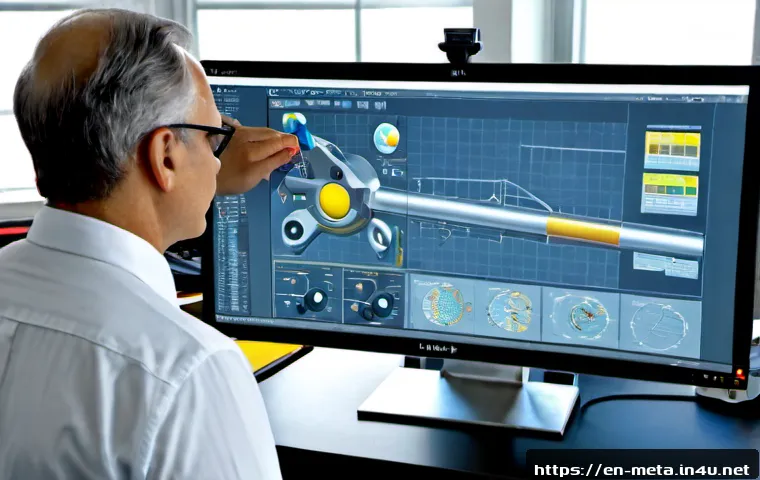
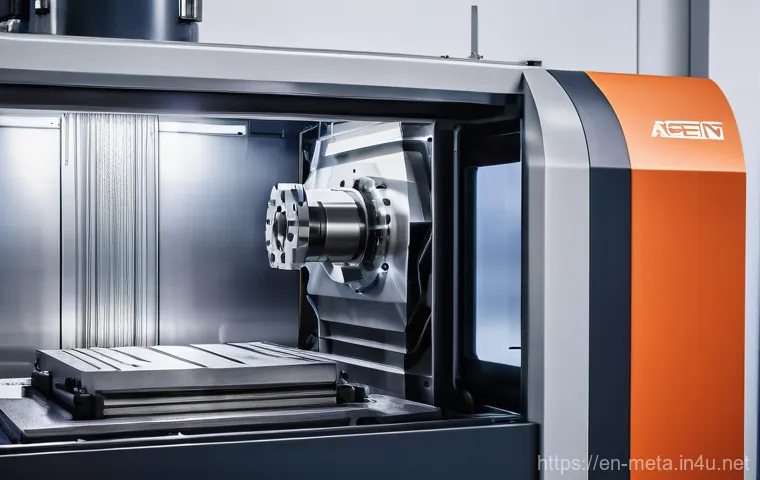
Sometimes, you don’t want to deform metal; you want to remove it, with surgical precision. This is where machining processes truly shine, offering unparalleled accuracy and the ability to create incredibly intricate geometries. I remember a tour of a manufacturing plant where I saw a CNC mill in action, carving a complex part out of a solid block of aluminum. The way the cutting tool danced across the metal, removing slivers of material and leaving behind a perfectly smooth surface, was absolutely mesmerizing. Machining has evolved so much from its manual lathe and drill press days; now, with multi-axis CNC machines and advanced tooling, the possibilities for complex part creation are virtually limitless. It’s often the go-to choice for prototypes, low-to-medium volume production, and parts requiring exceptionally tight tolerances and superior surface finishes.
From Chips to Lasers: The Evolution of Machining
Traditional machining, like milling and turning, still forms the backbone of many industries, but the sheer variety of material removal techniques available today is staggering. Beyond the classic chip-making methods, we’ve got laser cutting, plasma cutting, and waterjet cutting, each with its own sweet spot. Laser cutting, for instance, offers incredible speed and precision for thinner materials, perfect for intricate designs in sheet metal. I’ve seen some absolutely stunning decorative pieces made with laser cutters that would be impossible with traditional methods. Waterjet cutting, on the other hand, can slice through almost any material – metal, stone, composites – without generating heat, which is crucial for heat-sensitive alloys. The adaptability of these “non-traditional” methods has really broadened the horizons of what’s achievable in metal fabrication, allowing for designs that were once considered impossible.
The Spark of Precision: EDM’s Delicate Touch
And then there’s Electrical Discharge Machining (EDM), a process that still feels like something out of a sci-fi movie to me. Instead of physically cutting, EDM uses electrical sparks to erode material, making it ideal for extremely hard metals or creating incredibly fine, complex features that mechanical tools just can’t touch. Think about the tiny, intricate molds used for injection molding or the delicate parts for medical devices – EDM is often the hero behind those. It’s a slower process, but its ability to produce burr-free, highly accurate parts, even with incredibly tough materials, is unmatched. The first time I saw a wire EDM machine cutting through a thick block of tool steel, leaving behind a perfectly smooth, almost frictionless surface, I was genuinely astounded by its silent, powerful precision. It truly expands the definition of “machining” into a whole new realm.
Bringing it All Together: The Art of Metal Joining
Once you’ve got your individual metal pieces, the next step is often to put them together. And trust me, there’s an art and a science to it! Whether it’s a massive bridge structure or a delicate electronic assembly, the way components are joined is absolutely critical to the integrity and performance of the final product. I’ve always been fascinated by how different joining methods offer such diverse characteristics – some create seamless, permanent bonds, while others allow for easy disassembly and maintenance. Choosing the right joining technique isn’t just about sticking two parts together; it’s about understanding the stresses they’ll endure, the environment they’ll operate in, and the desired lifespan of the assembly. It’s a decision that can make or break a project, quite literally.
The Fiery Embrace: Welding’s Unbreakable Bonds
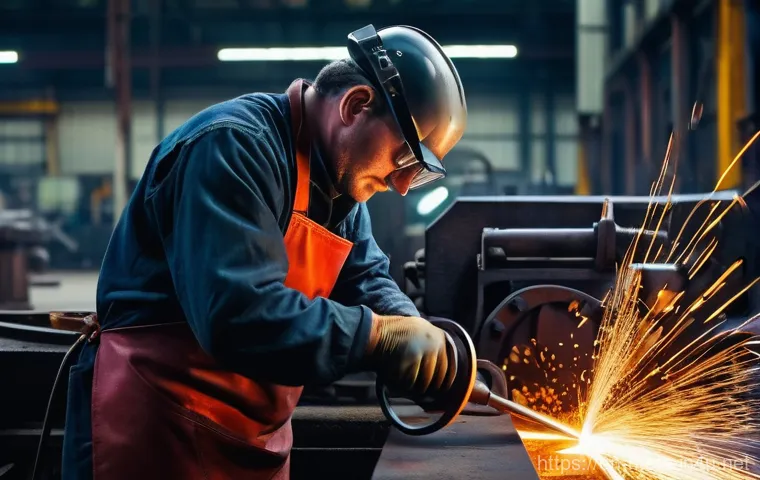
Welding, to me, is the ultimate expression of metal joining. It’s about melting the edges of two pieces of metal and, often, adding a filler material to create a metallurgical bond that’s as strong, if not stronger, than the parent material. The skill of a good welder is something to behold – managing the heat, the filler rod, and the torch to create a perfectly uniform bead that looks almost like a work of art. From TIG and MIG to arc welding, each method has its specific advantages, dictated by the metals being joined, the desired strength, and the application. I’ve always admired the sheer power and precision involved in welding, knowing that those molten pools of metal are creating structures that can withstand incredible forces. It’s a core skill in everything from shipbuilding and construction to custom automotive fabrication, forming connections that are meant to last forever.
Fasteners and Beyond: Mechanical Assemblies
Of course, not every joint needs to be permanent. Sometimes, you need the flexibility to disassemble a product for maintenance, upgrades, or even just transportation. That’s where mechanical fasteners come into play – bolts, nuts, rivets, screws, and all their cousins. While they might seem less dramatic than welding, the engineering behind a properly designed bolted joint is incredibly sophisticated, ensuring even load distribution and vibration resistance. I often think about how crucial these “invisible” connections are in everything from our smartphones to towering skyscrapers; without them, assembly and repair would be a nightmare. Beyond standard fasteners, there are also innovative techniques like crimping, staking, and even interlocking designs that offer quick, efficient, and often tool-free assembly solutions, which are fantastic for high-volume manufacturing lines. It’s about building in maintainability and modularity from the ground up.
Liquid Metal Dreams: The Magic of Casting
There’s an undeniable allure to casting – the transformation of molten metal into a solid, often complex, object. It’s one of the oldest metalworking processes, dating back thousands of years, and for good reason. Casting allows us to create shapes that would be impossible or incredibly expensive to achieve with other methods, especially those with intricate internal cavities or very large, bulky forms. I’ve always imagined the ancient artisans pouring bronze into molds, creating tools and sculptures, and feeling that same sense of wonder we do today with modern foundries. It’s a process that relies heavily on material science and a deep understanding of thermodynamics, as the metal cools and solidifies, making it both an art and a precise science.
Gravity’s Guidance: Sand Casting’s Enduring Legacy
Sand casting, in particular, is a process that has stood the test of time, and it’s still incredibly prevalent for producing large, complex, and often heavy components. Think about engine blocks, pump housings, or even decorative lampposts – many of these start their lives as molten metal poured into a mold made of sand. What’s fantastic about sand casting is its flexibility; you can create almost any shape, and the tooling costs are relatively low compared to some other casting methods. However, the surface finish isn’t always super smooth, and you often need subsequent machining to achieve precise dimensions. I always find it amazing how something as simple as specially formulated sand can be used to create such robust and functional metal parts, a true testament to its enduring utility.
High-Volume Heroes: Die Casting’s Efficiency
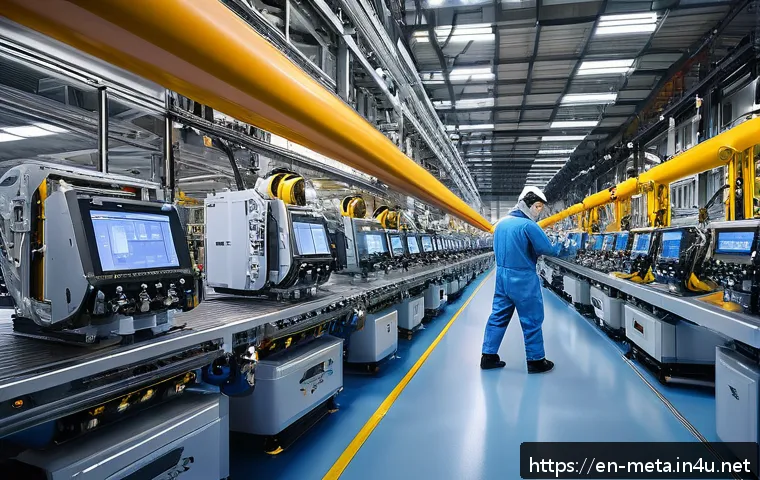
When it comes to mass production of complex, detailed metal parts with excellent surface finishes, die casting is often the undisputed champion. I’ve always been impressed by the speed and repeatability of die casting machines, injecting molten metal into reusable steel molds (dies) under high pressure. This method is a favorite for aluminum, magnesium, and zinc alloys, commonly found in everything from automotive components and appliance parts to electronic housings. While the initial investment in die tooling can be substantial, the low cost per part for high volumes, combined with the ability to achieve tight tolerances and intricate features right out of the mold, makes it incredibly efficient. It’s the kind of process that really highlights how manufacturing innovation can lead to affordable, high-quality products we use every single day.
Building Tomorrow, Layer by Layer: The Additive Revolution
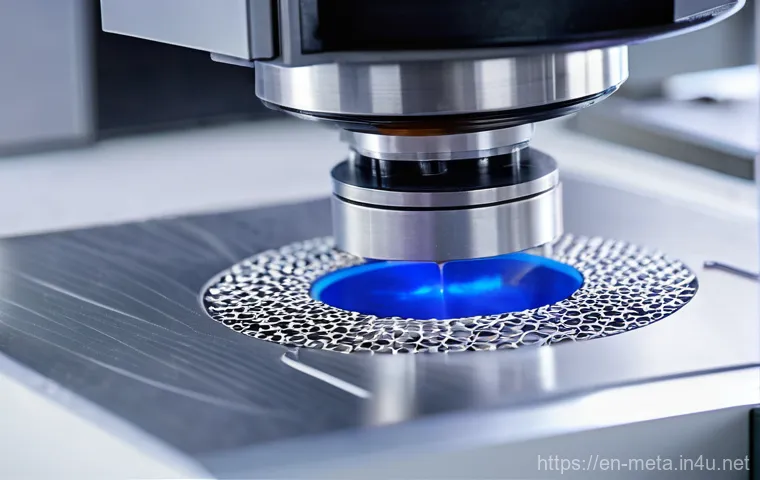
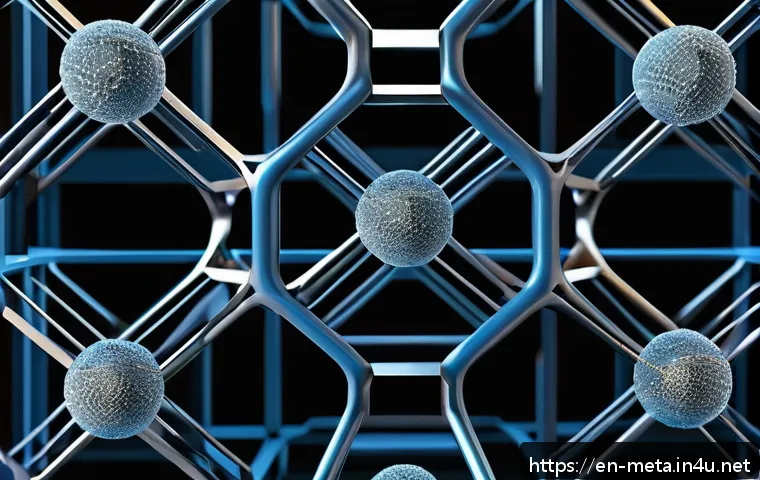
If traditional metalworking is about subtraction or deformation, then additive manufacturing, or 3D metal printing, is its fascinating opposite: building up. This technology still feels incredibly futuristic, even though it’s rapidly becoming mainstream. I remember the first time I saw a complex, lattice-structured metal part, created layer by tiny layer from metal powder, and my jaw just dropped. The design freedom it offers is simply unparalleled. You can create geometries that are impossible with conventional methods – internal channels, incredibly lightweight structures, and parts optimized for performance in ways we couldn’t even dream of a few decades ago. It’s truly reshaping how we think about design and manufacturing, moving us beyond the constraints of traditional tooling.
3D Metal Printing: Unlocking Design Freedom
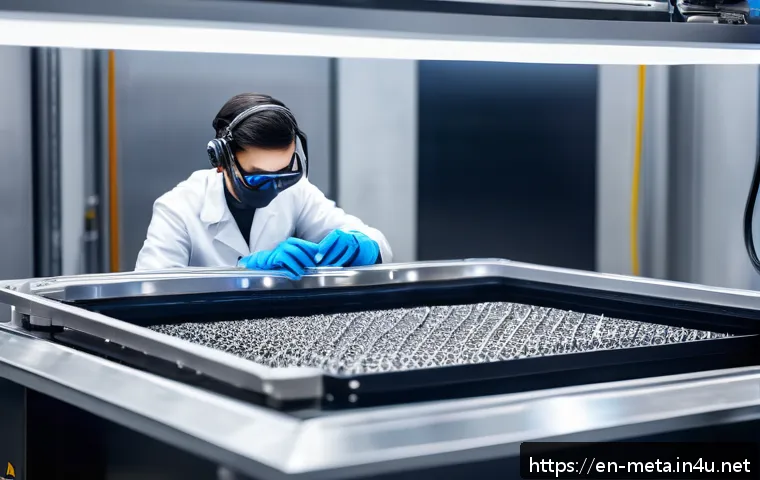
The beauty of 3D metal printing lies in its ability to take a digital design and materialize it without any special tooling. This means rapid prototyping, quick design iterations, and the ability to produce highly customized, one-off parts economically. Imagine designing a perfectly optimized, lightweight bracket for a race car, or a custom medical implant tailored precisely to a patient’s anatomy – metal 3D printing makes these a reality. Processes like Selective Laser Melting (SLM) and Electron Beam Melting (EBM) fuse fine metal powders, layer by layer, with incredible precision. While the machines and materials are still quite an investment, the value it brings in terms of design flexibility, reduced lead times, and performance optimization is genuinely transformative for high-value applications across aerospace, medical, and specialized industrial sectors.
Beyond Prototypes: Industrial Applications Taking Off
Initially, 3D metal printing was primarily for prototypes, but those days are long gone. We’re now seeing full-scale industrial adoption, with metal 3D printed components flying in commercial aircraft, powering advanced rocket engines, and even forming critical parts in high-performance machinery. I’ve been following the advancements closely, and it’s astonishing how quickly the technology is maturing, moving from niche applications to integral parts of complex supply chains. The ability to consolidate multiple components into a single, optimized printed part not only reduces weight and assembly steps but also improves overall performance and reliability. It truly feels like we’re on the cusp of a new era of manufacturing, where the limits of what we can create are being pushed further than ever before, all thanks to this innovative, layer-by-layer approach.
The Unseen Transformation: Heat Treating and Surface Finishing
Sometimes, getting the right shape is just one part of the equation. To truly optimize a metal component, you often need to alter its inherent properties or protect its exterior. This is where heat treatment and surface finishing come in, processes that, while often unseen, play a colossal role in a part’s overall performance, durability, and even aesthetics. It’s like giving a metal piece a hidden superpower or a protective shield, tailoring it for the specific challenges it will face. I’ve always been fascinated by how these subtle modifications can completely change how a metal behaves, making it tougher, more flexible, or resistant to the elements.
Tempering Expectations: Enhancing Metal Properties
Heat treatment is essentially a controlled heating and cooling process used to alter the physical and sometimes chemical properties of metals. It’s not about changing the shape, but about changing the material itself. Processes like annealing make metals softer and more ductile, making them easier to machine or form. Hardening, on the other hand, involves heating and rapid cooling (quenching) to make metals much stronger and more resistant to wear. Then there’s tempering, which reduces the brittleness that can result from hardening, bringing the material to an optimal balance of hardness and toughness. I remember learning about how critical these processes are for tools like drills and saw blades – without the right heat treatment, they simply wouldn’t perform. It’s a precise science, requiring careful control of temperature and time, and it’s absolutely vital for optimizing the lifespan and functionality of countless metal components.
More Than Skin Deep: Protecting and Polishing
Beyond internal properties, the surface of a metal component is its first line of defense against the outside world. Surface finishing processes are all about enhancing this exterior, whether for aesthetic appeal, corrosion resistance, wear resistance, or even electrical conductivity. Think about the sleek chrome on a classic car, the durable coating on a piece of outdoor furniture, or the protective anodized layer on an aluminum smartphone case. These aren’t just for show; they significantly extend the life and utility of the product. Methods range from plating (like nickel or chrome), which applies a thin layer of another metal, to anodizing for aluminum, which creates a protective oxide layer. Even simple polishing can dramatically improve corrosion resistance by creating a smoother surface where contaminants can’t easily adhere. It’s a whole universe of options, each carefully selected to meet specific performance and visual requirements, ensuring the metal not only performs well but looks good doing it.
Navigating the Trade-offs: Choosing Your Metalworking Path
With such a vast array of metalworking processes available, making the right choice for a specific project can feel a bit like navigating a complex maze. Trust me, it’s not as simple as picking the “best” process, because what’s best for one application might be completely wrong for another. It’s all about understanding the trade-offs – cost, material properties, desired finish, production volume, lead time, and even environmental impact. This is where a deep understanding of each process’s unique characteristics really pays off. As someone who’s constantly digging into how things are made, I find this decision-making phase one of the most intellectually stimulating aspects of the entire metal fabrication journey. It’s where engineering, economics, and creativity truly intersect to bring a product to life.
Cost, Complexity, and Capabilities: Weighing Your Options
When I’m looking at a new project, I always think about the “big three”: cost, complexity, and capabilities. For instance, if you need a high-volume part with intricate details and a great surface finish, die casting might seem ideal. But then you have to factor in the high upfront tooling costs. If you need a super-strong, critical component for a low volume application, forging might be the answer, even if it requires more post-processing. And for truly unique, complex geometries or rapid prototyping, 3D metal printing offers unmatched capabilities but comes with a higher per-part cost. Each process has its sweet spot, and understanding these nuances is crucial for optimizing not just the part itself, but the entire manufacturing budget and timeline. It’s a continuous balancing act to achieve the desired outcome efficiently.
Sustainability and Innovation: The Future of Fabrication
Beyond the immediate considerations of cost and performance, the metalworking industry is increasingly focused on sustainability and continuous innovation. I’ve noticed a huge push towards reducing waste, minimizing energy consumption, and using more recycled materials across all processes. For example, advancements in lubrication-free machining or near-net-shape processes (like forging and casting that get very close to the final shape, minimizing material removal) are making a significant environmental impact. On the innovation front, AI and machine learning are revolutionizing process control, predictive maintenance, and even design optimization, leading to more efficient and higher-quality outputs. Collaborative robots are working alongside humans, taking on repetitive or hazardous tasks. It’s truly exciting to see how these cutting-edge technologies are not just improving efficiency and quality, but also driving us towards a more sustainable and intelligent future in metal fabrication. The industry isn’t just making parts; it’s shaping the world responsibly.
| Process | Best For | Typical Cost (Relative) | Surface Finish |
|---|---|---|---|
| Forging | High strength, critical components (e.g., engine parts) | Medium to High | Rough, often requires secondary machining |
| CNC Machining | High precision, complex geometries, prototypes, moderate volumes | High | Excellent, very smooth |
| Die Casting | High volume production, complex shapes, good surface finish | Low (per part, high tooling) | Good, often requires minimal finishing |
| Metal 3D Printing | Ultra-complex geometries, lightweight designs, rapid prototyping, low-volume specialist parts | Very High | Variable, often rough, may require post-processing |
Closing Thoughts
Whew, what a journey we’ve had through the incredible world of metalworking! It’s truly amazing how many ways we can transform raw metal into the components that literally build our world, from ancient forging techniques to the cutting-edge of 3D printing. I hope this deep dive has sparked a new appreciation for the intricate craftsmanship and brilliant engineering behind the metal objects we rely on daily. It’s a field that’s constantly evolving, and understanding these processes truly connects us to the very foundations of modern industry.
Useful Information to Know
1. Material Selection is Paramount: It’s easy to get caught up in the process, but remember that the fundamental properties of the metal itself—its alloy, its temper, its grade—will dictate everything from its machinability to its final strength and corrosion resistance. Don’t skip your homework on this; choosing the wrong material can doom a project before it even starts. Different applications demand different characteristics, whether it’s the lightweight strength of aerospace aluminum or the robust durability of tool steel.
2. Design for Manufacturability (DFM) Saves Headaches (and Money!): Always, always consider how your part will actually be made while you’re still in the design phase. A brilliant design that’s impossible or prohibitively expensive to manufacture is just a pretty picture. Small tweaks to features, radii, or tolerances can dramatically reduce production costs and lead times. Engaging with manufacturers early in the design process can save you countless hours and thousands of dollars down the line, trust me on this one.
3. Surface Finish Isn’t Just for Looks: While a shiny surface certainly looks great, the surface finish of a metal component plays a critical role in its functional performance. It affects friction, wear resistance, corrosion resistance, fatigue life, and even how well coatings or paints adhere. Don’t just specify “smooth”; understand what level of smoothness (Ra value, for example) is actually required for your application to ensure both performance and cost efficiency.
4. Prototyping vs. Production: Different Beasts Entirely: What works perfectly for a one-off prototype might be a disaster for high-volume production. Rapid prototyping often utilizes processes like 3D printing or CNC machining that might be too slow or expensive for large runs. When scaling up, you’ll likely shift to processes like die casting, stamping, or higher-speed machining centers that offer economies of scale, even if they have higher initial tooling costs. Always plan your manufacturing strategy with future volumes in mind.
5. Hybrid Manufacturing is the Future: The lines between traditional and additive manufacturing are blurring, creating exciting new possibilities. Imagine a part that’s mostly cast for bulk material, then has intricate features added via 3D printing, and finally gets its critical surfaces finished with high-precision CNC machining. Combining processes can leverage the strengths of each, leading to optimized parts that are lighter, stronger, and more cost-effective than ever before. Keep an eye on this space; it’s where a lot of innovation is happening!
Key Takeaways
So, what’s the big picture here? Well, first off, the world of metalworking is incredibly diverse, offering a vast toolkit of processes from shaping and forming to cutting, joining, casting, and even additive layering. Each method has its unique strengths and ideal applications, making the choice of process a critical engineering decision driven by factors like material, geometry, volume, and budget. What truly stands out, though, is the continuous evolution within this field – new materials, advanced machinery, and innovative techniques are constantly pushing the boundaries of what’s possible. Whether you’re designing a complex aerospace component or just appreciating the robust engine block in your car, understanding these foundational metalworking processes helps us grasp the sheer ingenuity that underpins our modern industrial landscape. It’s not just about making parts; it’s about crafting solutions for a better, more efficient future, always balancing performance with cost and environmental responsibility.
Frequently Asked Questions (FAQ) 📖
Q: With so many fascinating metalworking processes out there, how do I even begin to figure out which one is the best fit for my specific project? It feels a bit overwhelming!
A: Oh, I totally get that feeling! It’s like standing in a huge candy store, right? So many options, and you want to pick the absolute best one for your craving!
From my own experience, and trust me, I’ve seen countless projects succeed and struggle based on this very choice, the key is to start by asking yourself a few crucial questions about your project’s DNA.
First, what’s the end goal for this part? Is it going into a high-stress aerospace application where precision and strength are non-negotiable? Or is it a decorative piece for your garden gate where aesthetics and corrosion resistance are more important than microscopic tolerances?
The materials you plan to use – aluminum, steel, titanium, copper – each respond differently to various processes. For example, if you need super intricate, lightweight designs, especially with complex internal structures, then additive manufacturing (3D metal printing) is probably going to be your hero.
But if you’re producing thousands of identical, strong, and relatively simple parts, traditional stamping or casting might be far more cost-effective and efficient.
Don’t forget about budget and timeline either! Some advanced processes can be pricey upfront but save you heaps in the long run through reduced material waste and superior performance, while others offer quick turnaround times for less complex geometries.
It’s all about balancing those core needs – function, aesthetics, material, cost, and time – to find that sweet spot. I always recommend sketching out your priorities first; it truly makes the decision-making process so much clearer!
Q: It sounds like the metalworking world is constantly evolving. What are some of the most exciting new innovations and trends you’ve noticed recently that are really shaking things up?
A: You’re absolutely spot on! “Evolving” is almost an understatement; it’s more like a revolution happening right before our eyes, and honestly, it’s thrilling to watch and be a part of.
What’s really caught my attention, and I’ve seen it transform manufacturing floors, is the incredible leap in AI-driven automation and collaborative robotics.
Seriously, these aren’t just fancy buzzwords; they’re making production lines smarter, safer, and insanely efficient. Imagine robots working seamlessly alongside human technicians, handling repetitive or dangerous tasks, and AI systems constantly optimizing machine parameters in real-time to minimize waste and maximize quality.
I’ve personally seen how predictive maintenance, powered by AI, can anticipate machine failures before they even happen, saving companies a fortune in downtime.
Then there’s additive manufacturing (3D metal printing) – it’s no longer just for prototypes! We’re seeing it produce flight-ready components for aircraft, custom medical implants, and incredibly complex parts with geometries that were simply impossible just a few years ago.
The ability to print near-net-shape parts means less material waste and often, superior performance characteristics. And let’s not forget the huge, essential push towards sustainability.
Manufacturers are genuinely embracing recycled materials, developing energy-efficient processes, and designing for circularity. It’s not just good for the planet; it’s also smart business.
These aren’t just isolated trends; they’re all interconnected, forming the backbone of what we call Industry 4.0, where data, connectivity, and smart technologies are creating a whole new era of metal fabrication.
It’s a dynamic time, for sure!
Q: Why do different metalworking processes result in such different finished products? Like, why would one part be super strong and another surprisingly lightweight, even if they’re made from similar metals?
A: That’s a fantastic question, and it really gets to the heart of why understanding these processes is so crucial! It’s not just magic; there’s some serious science and craftsmanship behind it.
Think of it this way: how you work the metal fundamentally changes its internal structure, or its “personality,” if you will. When you forge a metal, for instance, you’re essentially hammering and shaping it while it’s hot.
This process rearranges the grain structure of the metal, making it incredibly strong and tough, which is why you see forged components in high-stress applications like engine parts or gears.
The metal fibers become aligned, resisting fatigue and impact better. On the flip side, if you cast a metal, you’re pouring molten metal into a mold and letting it solidify.
While casting allows for incredibly complex shapes, the grain structure isn’t as refined or aligned as in forged parts, which can sometimes lead to more porosity or brittleness.
However, casting is often the only way to achieve certain intricate geometries efficiently. For lightweight parts, the process might involve advanced techniques like hydroforming for sheet metal, which uses high-pressure fluid to form metal into complex, lighter shapes with fewer welds.
Or, more recently, additive manufacturing can create lattice structures and internal geometries that optimize strength-to-weight ratios in ways traditional methods simply can’t.
So, it’s not just the metal itself, but how you physically manipulate it – whether you’re heating it, melting it, deforming it, or building it layer by layer – that dictates its ultimate properties like strength, weight, ductility, and even how it feels to the touch.
It’s like baking; the ingredients matter, but the mixing, rising, and baking process makes all the difference in the final cake!