Hey there, amazing readers! Have you ever paused to think about the unsung heroes behind every innovation, from the sleek smartphone in your hand to the advanced jets soaring through the sky?
Chances are, you’re looking at the ingenious work of materials engineers, especially those specializing in metals. I’ve personally observed how pivotal their expertise is in shaping our modern world, pushing the boundaries of what’s possible in fields like electric vehicles, sustainable energy, and even space exploration.
The demand for robust, lightweight, and innovative metal materials is absolutely booming, making this a seriously exciting time to consider a career that genuinely impacts the future.
If you’re searching for a path that offers both intellectual challenge and incredible real-world relevance, then exploring the world of metallurgy and materials science is an absolute must.
Get ready to uncover a career full of groundbreaking opportunities, because this field is truly at the cutting edge of progress! Let’s dive deep and explore the incredible career landscape for a Metal Materials Engineer, revealing exactly where this exciting path could lead you!
The Ever-Evolving Landscape of Materials Engineering
Beyond the Textbook: The Real-World Application
It’s truly astounding when you step back and consider just how deeply metal materials engineering permeates every corner of our lives. From the moment you pick up your smartphone, to the car you drive, or even the airplane you might fly in for your next vacation, there’s an intricate story of materials science at play.
I remember vividly during my early days, seeing firsthand how a seemingly minor tweak in an alloy composition could dramatically alter its strength or corrosion resistance, opening up entirely new possibilities for product design.
This isn’t just about making things stronger or lighter; it’s about making them safer, more efficient, and often, more sustainable. We’re talking about the backbone of innovation, pushing the boundaries in everything from medical implants that save lives to the next generation of spacecraft exploring distant worlds.
It’s a field that never stands still, constantly challenging you to think critically and creatively to solve some of the world’s most pressing engineering puzzles.
Honestly, the sheer diversity of problems you get to tackle is what makes coming to “work” so incredibly invigorating. You’re not just reading about theories; you’re actively shaping the future, and that’s a feeling you simply can’t put a price on.
It’s an intellectual thrill ride, always keeping you on your toes and ensuring that boredom is never an option in this dynamic career path.
Driving Innovation: From Electric Vehicles to Sustainable Energy
When I chat with aspiring engineers, I always highlight the massive impact metal materials engineers are having on emerging technologies. Take electric vehicles, for instance.
The drive for lighter, stronger battery casings and more efficient motor components is directly in our wheelhouse. It’s not just about a better car; it’s about a cleaner planet, and knowing your work contributes to that is incredibly rewarding.
Then there’s the sustainable energy sector – wind turbines, solar panels, geothermal systems – all rely on advanced metal alloys to withstand extreme conditions, perform efficiently, and last for decades.
I recall a project where we optimized an alloy for turbine blades, significantly extending their lifespan in harsh offshore environments. That wasn’t just an engineering win; it was a win for renewable energy and our global efforts to combat climate change.
The challenges are immense, from developing high-temperature superconductors to creating materials that can safely store hydrogen, but the satisfaction of contributing to solutions that truly make a difference is unparalleled.
It feels good to be part of something so much bigger than yourself, solving problems that actually matter to millions, even billions, of people around the world.
Shaping Tomorrow: Industries Thirsty for Metal Materials Expertise
Aerospace and Defense: Soaring to New Heights
When I think about where a materials engineer can truly make a mark, aerospace and defense immediately comes to mind. This sector is constantly pushing the envelope, demanding materials that can withstand incredible stresses, extreme temperatures, and harsh environments.
My personal experience working on a project for a new generation aircraft involved countless hours meticulously analyzing alloys for fuselage strength and fatigue resistance.
It was a high-stakes environment, where every decision had critical implications for safety and performance. We needed materials that were not only incredibly strong but also remarkably lightweight to improve fuel efficiency and increase payload capacity.
Imagine knowing that the integrity of an entire aircraft, and the lives of those on board, relies on the precision of your materials selection. It’s an immense responsibility, but also an incredible opportunity to contribute to truly groundbreaking engineering feats.
This industry isn’t just about today’s aircraft; it’s about developing the materials for hypersonic flight, advanced propulsion systems, and next-generation space exploration vehicles that will redefine travel and discovery for generations to come.
Medical Devices: Enhancing Health and Quality of Life
Another area that deeply resonates with me is the medical device industry. This is where materials engineering truly meets humanity, directly improving people’s health and quality of life.
Think about it: pacemakers, artificial joints, surgical instruments – all rely on specialized metal alloys that are biocompatible, durable, and precisely engineered.
I’ve heard countless stories from colleagues who have worked on designing new hip implants or stents, ensuring these devices can withstand the rigors of the human body for decades without corroding or failing.
The precision required is astounding; you’re not just designing a component, you’re designing something that will become a part of someone’s body, directly impacting their mobility and well-being.
The ethical considerations are just as important as the engineering ones, adding another layer of depth to the work. Knowing that your expertise in stainless steel, titanium, or cobalt-chrome alloys can literally help someone walk again or extend their life is an incredibly powerful motivator.
It’s a field where your technical skills translate into tangible human benefits, which, to me, is one of the most fulfilling aspects of this profession.
From Lab Bench to Real-World Impact: The Day-to-Day Life
A Glimpse into the Engineer’s Toolkit
As a metal materials engineer, your daily routine is anything but monotonous, and that’s something I absolutely love about this career path! One day you might be in the lab, peering through a scanning electron microscope, analyzing the microstructure of a new alloy to understand its failure mechanisms.
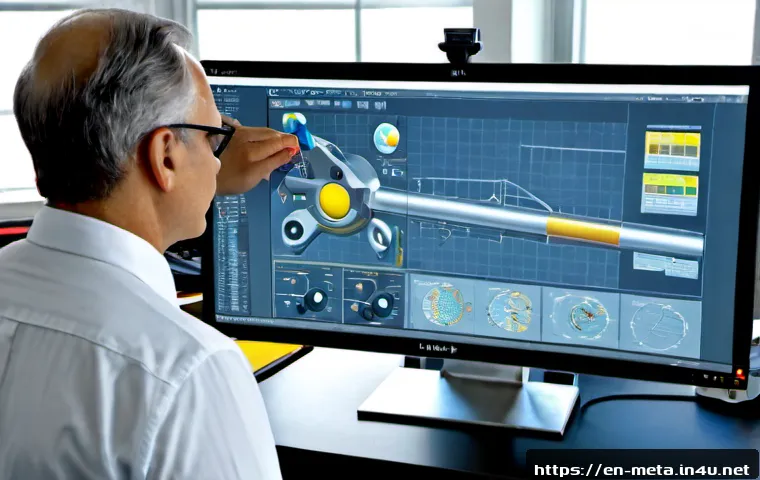
The next, you could be modeling material behavior on advanced simulation software, predicting how a component will perform under extreme stress. I remember one particularly challenging week where I spent days trying to pinpoint the root cause of a unexpected fracture in a critical industrial component.
It was like being a detective, piecing together clues from mechanical tests, compositional analysis, and microstructural images. The “aha!” moment when we finally identified the issue, and then proposed a material modification that prevented future failures, was incredibly satisfying.
It’s this blend of hands-on experimentation, deep analytical thinking, and problem-solving that defines the role. You’re constantly learning, constantly challenged, and always applying complex scientific principles to very practical, real-world problems.
It’s a role that demands both intellectual rigor and a healthy dose of curiosity.
Collaboration and Problem Solving: The Team Dynamic
What often surprises people about engineering, especially in a specialized field like materials science, is just how collaborative it is. You’re rarely working in isolation.
From my experience, success almost always comes from working closely with mechanical engineers, design teams, manufacturing specialists, and even sales and marketing.
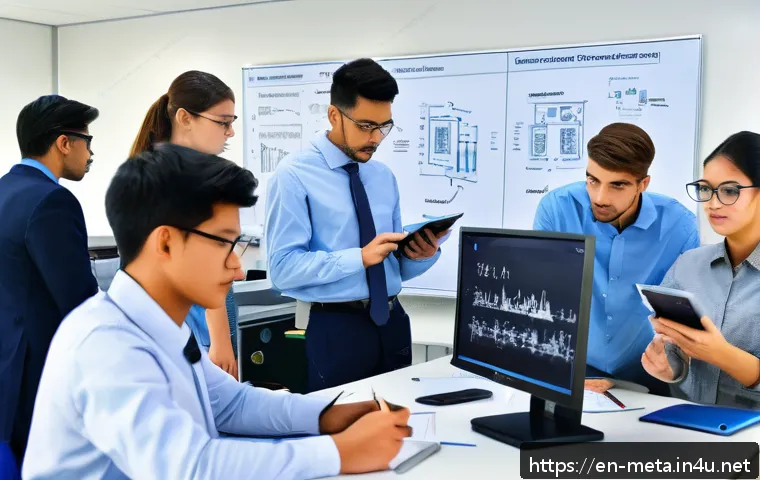
You’re the materials expert, but your insights only become truly powerful when integrated into a larger project vision. I’ve spent countless hours in cross-functional meetings, explaining the limitations and opportunities of different materials, and brainstorming innovative solutions to design challenges.
For example, a design team might want a component that is impossibly light but also incredibly strong. It’s our job to find the metal or alloy that comes closest to meeting those conflicting requirements, or to suggest a novel approach.
This teamwork aspect is incredibly enriching. You learn so much from other disciplines, and the shared victories when a complex project comes to fruition are truly special.
It fosters a sense of camaraderie and collective achievement that makes the hard work feel incredibly worthwhile.
Building Your Skillset: What It Takes to Thrive
Essential Technical Competencies
To really shine as a metal materials engineer, you need a solid foundation in certain technical areas, and trust me, these are skills that will serve you well no matter where your career takes you.
First and foremost, a deep understanding of metallurgy – things like phase transformations, crystallography, heat treatment processes, and mechanical properties – is absolutely crucial.
You’ll be interpreting complex data from various testing methods like tensile testing, fatigue analysis, and impact tests, so a strong grasp of these concepts is non-negotiable.
I recall early in my career feeling a bit overwhelmed by the sheer volume of information, but with practice and persistence, it all clicked. Beyond that, familiarity with material characterization techniques (SEM, TEM, XRD, XRF) and computational tools for material modeling and simulation (like finite element analysis) will give you a significant edge.
Knowing how to use these tools effectively isn’t just about getting a job; it’s about being able to tackle the really tough problems and innovate.
Soft Skills that Make the Difference
While technical prowess is undeniably important, I’ve seen time and again that it’s the “soft skills” that truly differentiate an average engineer from an exceptional one.
Communication, for instance, is absolutely paramount. You could have the most brilliant idea for a new alloy, but if you can’t articulate its benefits and risks clearly to a non-technical audience – say, management or clients – it won’t go anywhere.
Problem-solving, of course, is at the heart of engineering, but it’s the creative, out-of-the-box thinking that often leads to breakthroughs. Then there’s critical thinking; being able to dissect complex problems, evaluate different solutions, and anticipate potential pitfalls is invaluable.
And finally, adaptability and a willingness to continuously learn are vital because this field is always evolving. I remember struggling to present a complex metallurgical concept to a marketing team early in my career; it forced me to simplify my language and focus on the practical implications, a skill that has served me incredibly well ever since.
Navigating the Job Market: Opportunities and Growth

Entry-Level Paths and Specializations
The good news for anyone considering this field is that the demand for skilled metal materials engineers is consistently strong, and there are so many exciting entry points.
Typically, most start with a Bachelor’s degree in Materials Science and Engineering, Metallurgy, or a related field. From there, you might find yourself in a junior research and development role, working alongside experienced engineers on new alloy development, or in a quality control position, ensuring manufactured components meet stringent specifications.
Some paths lead directly into manufacturing, optimizing processes for metal fabrication, while others dive into failure analysis, becoming the “detectives” who figure out why things broke.
I’ve seen colleagues specialize in everything from corrosion engineering, protecting structures from environmental degradation, to welding engineering, mastering the art and science of joining metals.
The beauty is that once you get your foot in the door, there are numerous avenues for specialization, allowing you to really hone in on what truly excites you.
Career Progression and Future Outlook
The career trajectory for a metal materials engineer can be incredibly rewarding. After gaining a few years of experience, you might transition into a senior engineering role, leading your own projects and mentoring junior team members.
Many engineers eventually move into management positions, overseeing entire R&D departments or production facilities. For those with an entrepreneurial spirit, consulting or even starting your own materials testing lab are very real possibilities.
The future outlook for this profession is bright, fueled by global trends like the push for electric vehicles, advancements in aerospace, and the ever-growing need for sustainable and lightweight materials.
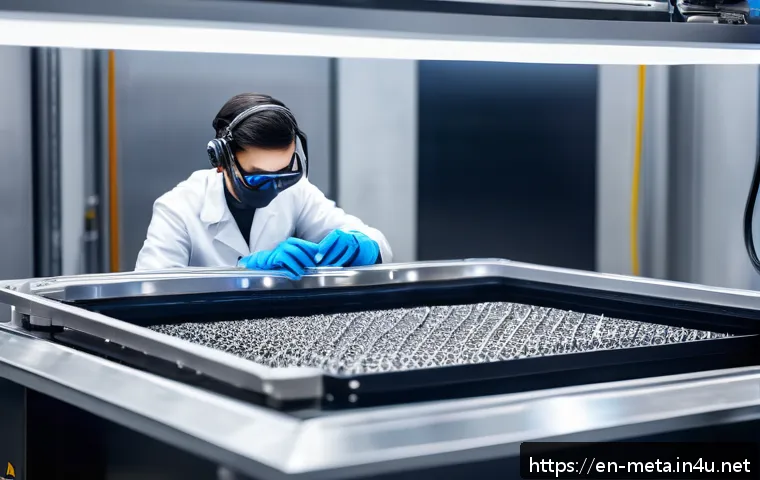
I’ve personally witnessed how engineers who embrace continuous learning and stay current with emerging technologies, like additive manufacturing (3D printing with metals), find themselves at the forefront of innovation, commanding excellent career opportunities and making significant contributions to their respective industries.
The Financial Rewards: What You Can Expect to Earn
Understanding Salary Expectations
Let’s talk numbers, because it’s certainly a factor in any career decision, right? The compensation for metal materials engineers is generally very competitive, reflecting the specialized knowledge and critical impact they have on various industries.
Starting salaries for entry-level positions in the United States, for instance, typically range from around $65,000 to $85,000 annually, depending on your degree, location, and the specific industry.
Companies in high-demand sectors like aerospace, medical devices, or automotive often offer a bit more due to the complexity and proprietary nature of their materials research.
I’ve found that geographical location also plays a significant role; major engineering hubs tend to offer higher wages to attract top talent. It’s also worth noting that a Master’s or Ph.D.
can significantly boost your earning potential, especially if you’re aiming for R&D leadership roles.
Here’s a quick glance at typical salary ranges, but remember these are just averages and can vary widely!
| Career Level | Average Annual Salary (USD) | Key Industries |
|---|---|---|
| Entry-Level (0-2 years experience) | $65,000 – $85,000 | Manufacturing, Automotive, General Engineering |
| Mid-Career (3-8 years experience) | $80,000 – $120,000 | Aerospace, Medical Devices, Defense, R&D |
| Senior/Lead Engineer (9+ years experience) | $110,000 – $160,000+ | High-tech Manufacturing, Consulting, Management |
Beyond the Base Salary: Perks and Benefits
Beyond the impressive base salary, many companies that employ metal materials engineers offer a really attractive benefits package. This often includes comprehensive health insurance (medical, dental, vision), a robust 401(k) or pension plan with employer matching, which is huge for long-term financial security, and generous paid time off.
Many innovative companies also provide performance-based bonuses, stock options, and tuition reimbursement for continuing education or advanced degrees, which is something I personally found incredibly valuable early in my career.
Access to professional development opportunities, like conferences and specialized training, is also common, allowing you to stay at the cutting edge of the field.
These benefits aren’t just minor add-ons; they significantly contribute to your overall compensation and job satisfaction. It’s truly a career path where your intellectual contributions are valued and rewarded both in terms of direct pay and comprehensive support for your well-being and professional growth.
Making a Difference: The Broader Impact of Your Work
Contributing to a Sustainable Future
It’s easy to get caught up in the technical details, but what truly inspires me about being a metal materials engineer is the profound impact we have on creating a more sustainable world.
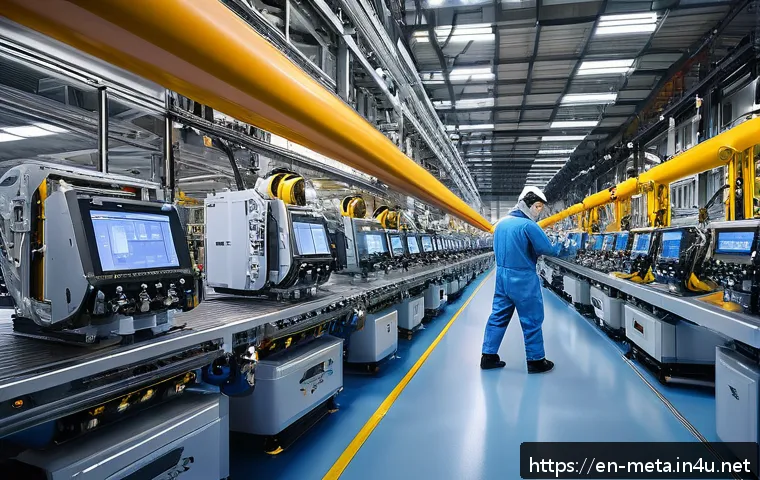
Every day, we’re working on developing lighter materials for cars and planes, which means less fuel consumption and reduced carbon emissions. We’re designing corrosion-resistant alloys that extend the lifespan of infrastructure like bridges and pipelines, minimizing waste and resource depletion.
I distinctly remember feeling a sense of immense pride when I saw a public report detailing the environmental savings achieved by a project I contributed to – it really hit home that my work wasn’t just theoretical; it was making a tangible difference.
This isn’t just about incremental improvements; it’s about fundamental shifts in how we produce and consume, moving towards a circular economy where materials are used more efficiently and recycled more effectively.
If you’re passionate about environmental stewardship and want a career where you can genuinely contribute to global sustainability goals, this field offers an incredible platform.
Advancing Human Capabilities and Exploration
Beyond environmental impact, metal materials engineering also plays a pivotal role in expanding human capabilities and pushing the boundaries of exploration.
Think about the advanced alloys used in medical implants that restore mobility and improve quality of life for millions. Or consider the specialized materials that enable spacecraft to withstand the extreme conditions of outer space, allowing us to explore new frontiers and deepen our understanding of the universe.
I’ve always been captivated by space exploration, and knowing that the materials I study could one day be part of a mission to Mars or beyond is incredibly exciting.
It’s about engineering solutions that allow us to build stronger, safer, and more advanced tools that empower humanity to achieve things previously thought impossible.
The innovation never stops, and being a part of that continuous quest for improvement and discovery is an incredibly powerful and fulfilling aspect of this dynamic profession.
Wrapping Things Up
As we’ve journeyed through the incredible world of metal materials engineering, I hope you’ve felt the passion and excitement that truly defines this field. It’s more than just science and equations; it’s about pushing the limits of what’s possible, contributing to solutions for some of humanity’s biggest challenges, and quite literally, shaping the physical world around us. From the micro-level analysis of crystal structures to the macro-impact of new alloys in aerospace or medical technology, the work is consistently intellectually stimulating and profoundly rewarding. I’ve personally found immense satisfaction in seeing concepts developed in a lab transform into tangible products that improve lives or advance our technological frontiers. It’s a career path that keeps you on your toes, demanding continuous learning and creative problem-solving, and for anyone with a curious mind and a desire to make a real difference, it offers an incredibly fulfilling professional adventure. Stepping into this world feels like unlocking a secret level of understanding about how everything is made, and that’s a perspective I wouldn’t trade for anything.
Good-to-Know Insights
1. Networking is Your North Star: Seriously, the materials engineering community is vibrant and collaborative. Attending industry conferences, joining professional organizations like ASM International, and connecting with peers on LinkedIn can open doors you never even knew existed. I’ve seen firsthand how a casual chat at a symposium led to incredible project opportunities. Don’t be shy; people in this field are generally thrilled to share their knowledge and experiences, and those connections can be invaluable as you navigate your career path, offering mentorship, job leads, and a deeper understanding of industry trends.
2. Continuous Learning Isn’t Optional, It’s Essential: The landscape of materials science is constantly evolving. New alloys, advanced manufacturing techniques like additive manufacturing, and sophisticated characterization tools emerge regularly. Staying current with journals, webinars, and specialized courses isn’t just a good idea; it’s how you maintain your edge and remain a valuable asset in this dynamic profession. Embrace the learning process – it’s what keeps the job exciting and ensures you’re always at the forefront of innovation, allowing you to tackle ever more complex challenges with confidence and expertise.
3. Don’t Underestimate Soft Skills: While your technical prowess is paramount, your ability to communicate complex ideas clearly, work effectively in teams, and lead projects will truly elevate your career. I remember a mentor once telling me that the best engineers aren’t just good with materials, they’re good with people. Learning to translate highly technical concepts into digestible information for diverse audiences, from marketing teams to executive leadership, is a game-changer. These interpersonal skills will make you stand out and enable you to drive your ideas forward, fostering collaboration and achieving better outcomes across all your professional endeavors.
4. Explore Diverse Industries Early On: Metal materials engineers are needed everywhere – from tiny electronic components to massive aerospace structures. Don’t limit your horizons! Internships, co-op programs, and entry-level roles across different sectors (automotive, biomedical, energy, defense) can help you discover where your true passion lies. Each industry presents unique challenges and opportunities, offering a chance to apply your skills in varied contexts. Gaining exposure to different applications can broaden your perspective and reveal unexpected avenues for specialization, ensuring your career path is as exciting and diverse as the materials you work with.
5. Think Sustainably, Always: With global environmental concerns growing, the demand for sustainable materials solutions is skyrocketing. Focus on how your materials choices impact the environment – lifecycle assessment, recyclability, and resource efficiency are becoming critical aspects of materials engineering. Developing expertise in green materials and sustainable processing will not only make you incredibly marketable but also allow you to contribute meaningfully to a healthier planet. It’s a forward-thinking approach that aligns your professional growth with the urgent needs of the world, making your contributions even more impactful and relevant in today’s global landscape.
Key Takeaways
In essence, metal materials engineering is a field bursting with opportunities for those passionate about innovation and problem-solving. It’s a career where your expertise directly translates into tangible advancements across critical sectors like aerospace, medical devices, and sustainable energy. You’ll engage in a fascinating mix of laboratory work, computational analysis, and collaborative projects, constantly pushing the boundaries of what materials can achieve. The financial rewards are competitive, supplemented by robust benefits, reflecting the high demand for specialized skills. More importantly, it’s a profession that offers immense personal satisfaction, allowing you to contribute significantly to human progress and environmental stewardship. If you’re looking for a career that’s intellectually stimulating, consistently impactful, and offers continuous growth, stepping into the world of metal materials engineering could very well be one of the best decisions you ever make. It’s a journey of discovery that’s truly worth embarking on, promising a future as strong and resilient as the materials you’ll help create.
Frequently Asked Questions (FAQ) 📖
Q: What does a Metal Materials Engineer actually do day-to-day, beyond just “making things stronger”?
A: Oh, this is such a great question because it really gets to the heart of the matter! From my experience keeping a pulse on the industry, a Metal Materials Engineer’s day is incredibly diverse and anything but mundane.
They aren’t just making things stronger; they’re essentially the architects of our physical world, working at the atomic level to create and refine materials.
Think about it: they’re designing, processing, and testing metals, alloys, and even composites to meet incredibly specific requirements for all sorts of products.
One day, they might be in a lab, running experiments with sophisticated equipment to test how a new aluminum alloy withstands extreme temperatures or pressures for an aerospace application.
The next, they could be collaborating with design teams in the automotive sector, offering their expertise on material selection for a lighter, more efficient EV battery housing or body structure.
They even get into problem-solving, digging deep to determine why a material failed in a product and then developing ways to prevent that from happening again.
I’ve seen firsthand how their analytical skills, attention to detail, and ability to communicate complex technical info are absolutely crucial in these roles.
It’s a dynamic blend of hands-on work, scientific research, and collaborative innovation that truly shapes the products we use every day!
Q: How are Metal Materials Engineers specifically impacting cutting-edge industries like electric vehicles (EVs) and space exploration?
A: This is where it gets seriously exciting, and it’s why I’m such a huge advocate for this field! Metal Materials Engineers are at the absolute forefront of innovation in these high-stakes industries.
For electric vehicles, it’s all about creating lighter, stronger, and more efficient components to improve battery performance and overall vehicle range.
I’ve been tracking the incredible progress they’re making with materials like advanced high-strength steels and specialized aluminum alloys, which significantly reduce vehicle weight without compromising safety.
They’re also crucial in developing new materials for battery components, like advanced electrodes and electrolytes, to make batteries safer, charge faster, and last longer.
It’s truly mind-blowing how their work directly translates into the longer driving ranges and quicker charging times we’re starting to see in the latest EVs!
In space exploration, the demands are even more extreme. Here, these engineers are developing high-performance metal alloys and composites that can withstand the brutal conditions of space – think extreme temperatures, radiation, and immense pressure.
They’re literally helping to craft the lightweight yet incredibly robust structures for rockets, satellites, and spacecraft. I’ve seen reports detailing how their expertise in metallurgy and nanotechnology is highly valued, ensuring maximum performance and reliability in air and spacecraft.
From optimizing structural integrity to enhancing fuel efficiency, their contributions are absolutely critical to pushing the boundaries of what’s possible beyond Earth!
Q: Is pursuing a career in Metal Materials Engineering a smart move for long-term job security and growth right now?
A: Absolutely, without a doubt! From everything I’ve gathered and my continuous monitoring of industry trends, the job outlook for Metal Materials Engineers is not just positive, but truly robust for the foreseeable future.
The U.S. Bureau of Labor Statistics projects employment growth that’s faster than the average for all occupations from 2024 to 2034. We’re talking about roughly 1,500 to 1,700 job openings each year on average, not just from new roles but also from the need to replace those who retire or move into other fields.
Why the strong demand? It boils down to the relentless drive for innovation across so many sectors. As industries push for more sustainable solutions, lighter products, and enhanced performance, the need for experts who can develop cutting-edge materials is only intensifying.
Think about the shift towards renewable energy sources like wind turbines and solar panels – they all rely heavily on advanced metal alloys for durability and efficiency.
Companies are actively seeking materials engineers to help them create eco-friendly products, optimize recycling processes, and even incorporate Industry 4.0 technologies like AI and real-time monitoring into metal manufacturing.
This means if you’re interested in a career that offers both intellectual challenge and incredible real-world relevance, becoming a Metal Materials Engineer is definitely a smart, forward-thinking choice!