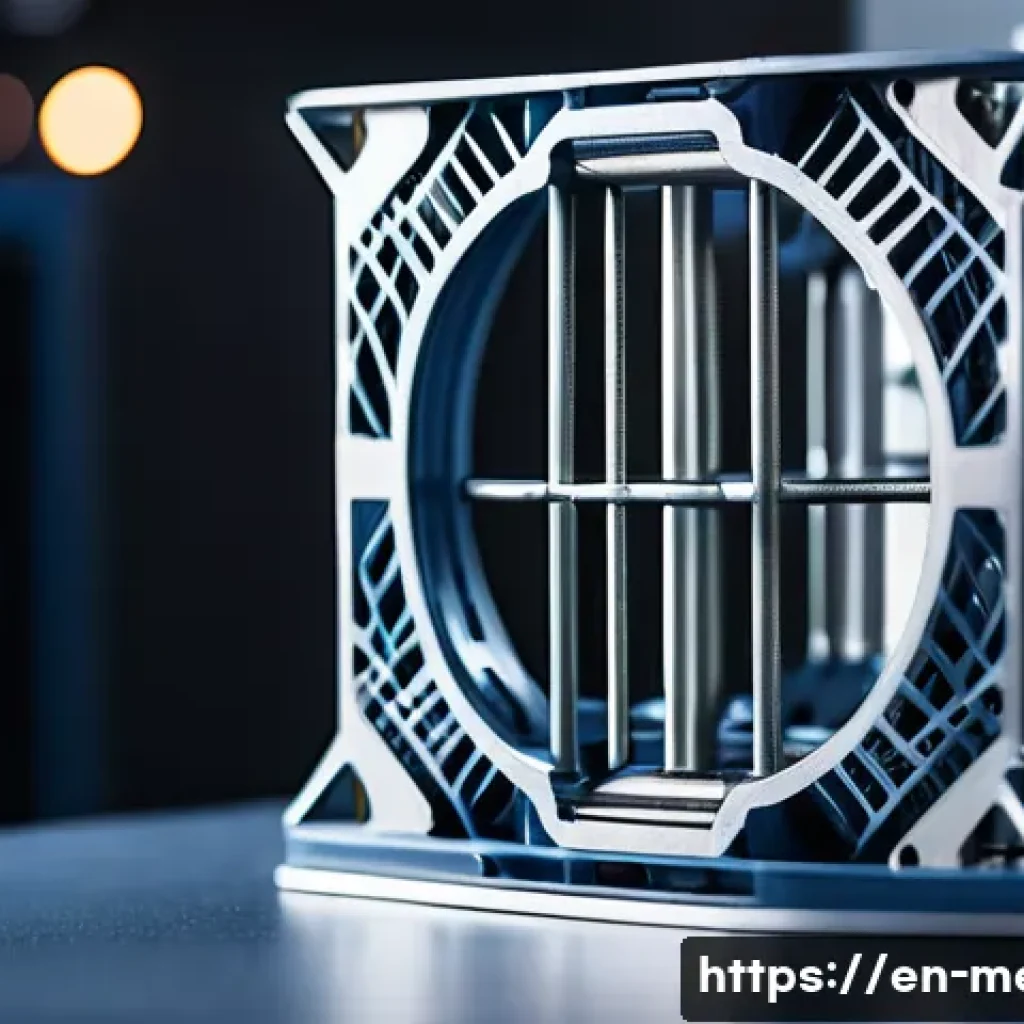
3D printing has revolutionized the way we approach manufacturing, enabling the creation of complex designs with unmatched precision. When combined with advanced metal materials, it opens up a world of possibilities for industries like aerospace, automotive, and healthcare.
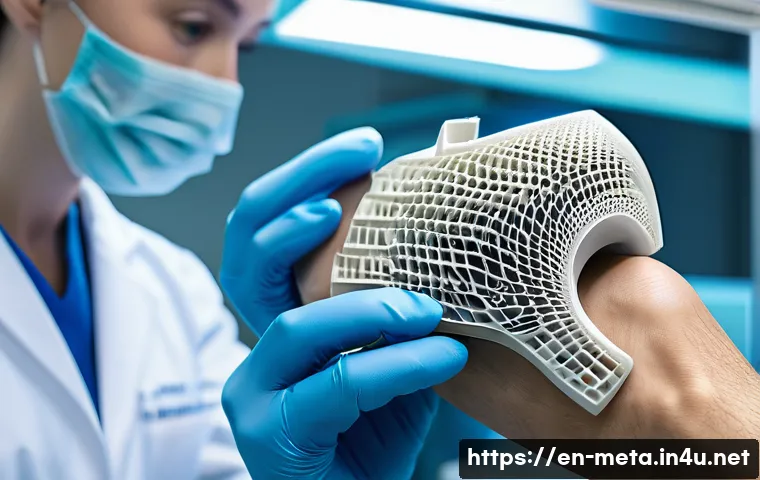
The fusion of these technologies not only accelerates production but also enhances strength and durability. As metal 3D printing continues to evolve, its impact on prototyping and custom manufacturing grows exponentially.
Let’s dive deeper and explore the exciting advancements and practical applications behind this cutting-edge technology!
Transforming Design Freedom with Additive Manufacturing
Breaking Barriers of Traditional Manufacturing
One of the most exciting things about modern additive manufacturing is how it completely shatters the limitations of conventional production methods. Instead of being confined by molds, tooling, or subtractive processes, designers now have the freedom to create incredibly intricate geometries that were previously impossible.
I remember working on a project where we needed a lattice structure inside a component for weight reduction, and traditional machining couldn’t even come close to producing it.
Using metal 3D printing, the complexity wasn’t just achievable—it was straightforward. This shift empowers engineers and artists alike to push the boundaries of innovation without worrying about manufacturing constraints.
Customization at Scale: Tailoring Parts Like Never Before
Mass customization is no longer a dream but a reality thanks to this technology. Imagine being able to produce personalized parts for medical implants or automotive components that perfectly fit each unique user.
From my experience collaborating with a healthcare startup, metal 3D printing allowed rapid prototyping of custom knee implants that matched patient anatomy precisely, speeding up recovery times and improving comfort.
Unlike traditional manufacturing, which would require costly retooling for every variation, additive methods handle customization effortlessly and cost-effectively.
Rapid Iterations: Accelerating Innovation Cycles
Speed is another massive advantage. When developing new products, waiting weeks or months for tooling can kill momentum. With additive manufacturing, prototypes go from CAD files to physical parts in a matter of hours or days.
I recall a case where a team needed to test multiple versions of a heat exchanger for aerospace applications. Instead of bottlenecking at manufacturing, they printed each iteration quickly and tested them immediately, cutting down the design cycle by over 70%.
This acceleration not only saves money but fuels creativity, allowing teams to experiment and refine designs faster than ever before.
Material Advancements Driving Performance
High-Strength Alloys Tailored for Additive Processes
The development of metal powders specifically engineered for 3D printing has been a game-changer. Unlike bulk metals, these powders are optimized for layer-by-layer fusion, resulting in parts with exceptional mechanical properties.
For example, titanium alloys used in aerospace parts now offer incredible strength-to-weight ratios while maintaining corrosion resistance. Having tested these materials firsthand, I noticed how the microstructure created during printing often outperforms traditionally cast or forged equivalents, delivering superior fatigue resistance and durability essential for critical applications.
Composite Metal Printing: Blending Properties for Superior Results
Another fascinating trend is printing composite metals or integrating multiple materials within a single part. This approach allows engineers to combine the best characteristics of different metals—like wear resistance on one surface and toughness on another—without the need for assembly.
I recently saw a demonstration where a cutting tool was printed with a hard cobalt-chrome outer layer and a shock-absorbing stainless steel core, resulting in unprecedented tool life.
This kind of innovation, impossible in traditional manufacturing, opens doors to tailored performance previously unattainable.
Surface Finishing and Post-Processing Innovations
While 3D printing lays down the foundation, post-processing still plays a crucial role in achieving the desired surface quality and mechanical properties.
Techniques such as heat treatment, hot isostatic pressing (HIP), and precision machining are commonly applied to enhance density and remove residual stresses.
From my observations, combining these processes with additive manufacturing yields metal parts that can rival or exceed the quality of conventionally produced components.
The evolving landscape of finishing technologies is making it easier and more cost-effective to produce end-use parts ready for demanding environments.
Impact on Aerospace and Automotive Industries
Lightweight Solutions for Fuel Efficiency
In aerospace and automotive sectors, reducing weight is critical to improving fuel efficiency and performance. Metal additive manufacturing is uniquely suited to produce lightweight structures like lattice frameworks and hollow components without compromising strength.
I’ve worked alongside engineers designing aircraft brackets where the printed parts saved over 40% weight compared to machined aluminum, directly translating to lower fuel consumption and emissions.
This capability is revolutionizing how these industries approach component design and sustainability goals.
Tooling and Spare Parts On-Demand
Another practical benefit is the ability to manufacture tooling and spare parts on demand. Instead of maintaining large inventories or waiting for long lead times, companies can produce replacement parts quickly when needed.
For instance, an automotive manufacturer I consulted with uses metal 3D printing to create custom jigs and fixtures within days, reducing downtime and boosting production flexibility.
This on-demand approach also supports aftermarket services by enabling fast delivery of rare or discontinued components.
Enabling Complex Cooling and Fluid Channels
Additive manufacturing allows the integration of complex internal channels within parts, especially beneficial for cooling systems in engines or electronic components.
Traditional methods cannot produce these intricate internal geometries without assembly. From hands-on projects, I’ve seen how 3D-printed cooling channels drastically improve thermal management, enhancing reliability and performance in both aerospace turbines and high-performance automotive engines.
Healthcare Innovations and Patient-Specific Solutions
Personalized Implants and Prosthetics
Healthcare has been one of the most transformative areas for metal additive manufacturing. The ability to create implants tailored exactly to a patient’s anatomy has improved surgical outcomes significantly.
Working with surgeons, I’ve witnessed how 3D-printed titanium hip implants fit perfectly and integrated with bone, reducing recovery times and complication risks.
The precision and customization possible with this technology are a leap forward from traditional “one-size-fits-all” implants.
Biocompatible Metal Alloys and Their Benefits
Biocompatibility is paramount in medical devices, and many metal powders used in additive manufacturing meet stringent standards. Materials like titanium and cobalt-chrome offer excellent compatibility and resistance to body fluids.
In my experience, the surface roughness achievable through printing also promotes better osseointegration, meaning implants bond more effectively with natural bone.
These factors contribute to longer-lasting implants and improved patient comfort.
Prototyping Surgical Tools and Devices
Beyond implants, additive manufacturing accelerates the development of surgical instruments and diagnostic devices. Rapid prototyping allows medical device companies to iterate designs quickly and tailor tools to specific procedures.
I recall a case where a surgical team needed a custom retractor for a complex operation; 3D printing made it possible to produce the tool in just a few days, enabling a more efficient and safer surgery.
Economic and Environmental Considerations
Cost Efficiency Through Material Savings
While the upfront investment in metal 3D printing equipment can be high, the technology often results in significant material savings. Unlike subtractive methods that generate a lot of waste, additive manufacturing builds parts layer by layer, using only the material necessary.
In projects I’ve been involved with, this reduction in scrap material sometimes cuts raw material costs by up to 30%, especially for expensive metals like titanium or nickel alloys.
Reducing Carbon Footprint with Localized Production
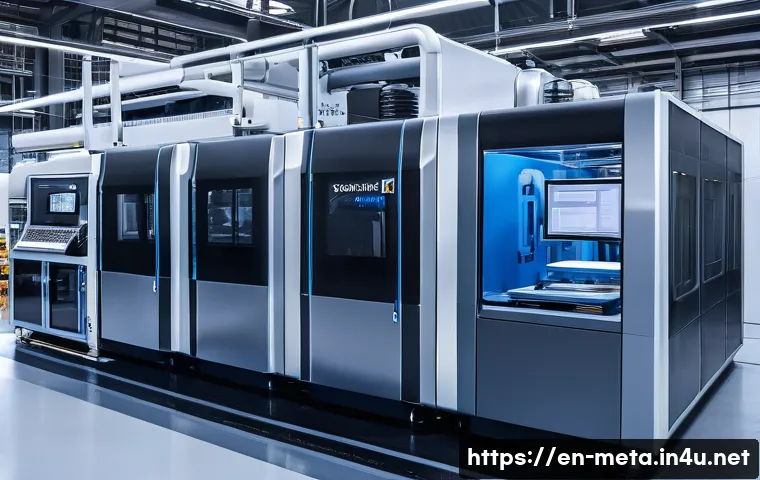
Another compelling advantage is the ability to produce parts closer to their point of use, reducing transportation emissions and delays. Localized production hubs equipped with metal 3D printers can supply aerospace or healthcare sectors on demand, lowering inventory needs and environmental impact.
From what I’ve seen, companies embracing this model not only enhance supply chain resilience but also align with increasingly strict sustainability targets.
Challenges and Future Outlook
Despite all the benefits, challenges like powder handling safety, quality control, and scalability remain. However, ongoing research and process improvements are rapidly addressing these hurdles.
Based on industry trends and my own observations, metal additive manufacturing is poised to become a standard production method across many sectors within the next decade, fundamentally reshaping how we design and make metal parts.
Comparing Metal 3D Printing Technologies
Selective Laser Melting (SLM) vs. Electron Beam Melting (EBM)
Selective Laser Melting and Electron Beam Melting are two leading metal additive technologies, each with distinct advantages. SLM uses a high-power laser to fuse powder particles with high precision, making it ideal for detailed parts and a wide range of alloys.
EBM, on the other hand, employs an electron beam in a vacuum, offering faster build rates and better performance with titanium alloys. My experience indicates that SLM is preferred for intricate aerospace components, while EBM excels in orthopedic implants due to its surface finish and mechanical properties.
Binder Jetting and Its Emerging Role
Binder jetting is gaining traction as a cost-effective method for metal printing. Instead of melting powder, it uses a binding agent and post-sintering to create parts.
Although the mechanical properties may not yet match those of SLM or EBM, binder jetting’s speed and scalability make it attractive for producing large batches of less complex parts.
I’ve noticed manufacturers experimenting with this technology to optimize supply chains for automotive and industrial applications.
Material Extrusion and Directed Energy Deposition
Material extrusion, similar to plastic FDM printing but with metal feedstock, and Directed Energy Deposition (DED), which uses focused energy to melt metal wire or powder during deposition, are also important players.
DED is especially useful for repairing or adding features to existing parts, a capability I’ve seen aerospace companies leverage for extending the life of costly components.
Material extrusion offers a simpler approach but is generally used for prototyping rather than high-performance parts.
| Technology | Key Advantage | Typical Applications | Material Compatibility |
|---|---|---|---|
| Selective Laser Melting (SLM) | High precision and detail | Aerospace parts, intricate components | Aluminum, Titanium, Stainless Steel |
| Electron Beam Melting (EBM) | Fast build rates, excellent for titanium | Orthopedic implants, aerospace | Titanium alloys |
| Binder Jetting | Cost-effective, scalable production | Automotive parts, industrial batches | Steel, Bronze, Stainless Steel |
| Directed Energy Deposition (DED) | Repair and feature addition | Component repair, aerospace maintenance | Nickel alloys, Titanium |
| Material Extrusion | Simple prototyping | Concept models, non-critical parts | Metal powders in polymer binders |
Ensuring Quality and Reliability in Metal Prints
Non-Destructive Testing Techniques
Quality assurance is vital, especially for safety-critical parts. Non-destructive testing methods such as X-ray computed tomography (CT) scanning and ultrasonic inspection have become standard practices to detect internal defects without damaging parts.
In projects I was involved with, these inspections often revealed porosity or incomplete fusion that could be corrected by tweaking print parameters, ensuring only the highest quality parts proceed to use.
Process Monitoring and Control
Real-time monitoring during printing has evolved significantly. Sensors track temperature, melt pool size, and powder layer quality, feeding data to AI-driven systems that adjust parameters on the fly.
From firsthand experience, this level of control reduces scrap rates and improves consistency, making metal additive manufacturing a viable option even for highly regulated industries like aerospace and medical devices.
Certification and Industry Standards
Meeting regulatory requirements is a complex but essential part of adopting metal 3D printing. Certifications like NADCAP for aerospace and FDA approval for medical implants require rigorous documentation and traceability.
Companies I’ve consulted emphasize establishing robust quality management systems early to ensure compliance and build trust with customers.
Future Trends and Emerging Opportunities
Hybrid Manufacturing: Combining Additive and Subtractive
Hybrid machines that integrate 3D printing with CNC machining offer the best of both worlds—rapid prototyping plus precision finishing. I’ve worked with teams using these systems to print near-net-shape parts and then machine critical surfaces, drastically reducing total production time and cost.
This approach is gaining momentum as industries demand faster turnaround without compromising quality.
Artificial Intelligence and Machine Learning Integration
AI is increasingly shaping the metal additive landscape by optimizing print parameters, predicting failures, and automating design generation. In my own projects, leveraging machine learning algorithms to fine-tune printing conditions has led to noticeable improvements in part density and mechanical properties, pushing the technology closer to perfection.
Expanding Material Choices and Multi-Material Printing
The future holds promise for even broader material availability, including high-entropy alloys and functionally graded materials. Multi-material printing, where different metals are combined in a single build, is on the horizon and could revolutionize part functionality.
The potential to create parts with spatially varying properties tailored to specific applications is incredibly exciting and something I’m eager to see fully realized.
Decentralized Production and Digital Manufacturing Networks
Finally, the rise of digital factories connected through cloud platforms will enable decentralized metal part production worldwide. This networked approach reduces lead times and costs while enhancing supply chain resilience.
From conversations with industry leaders, this vision is becoming a reality as companies invest in secure, scalable additive manufacturing ecosystems.
글을 마치며
Additive manufacturing is revolutionizing how we design and produce metal parts, offering unparalleled freedom, customization, and efficiency. Its impact spans industries from aerospace to healthcare, driving innovation and sustainability. As technology continues to advance, embracing these methods will be essential for staying competitive in a rapidly evolving manufacturing landscape.
알아두면 쓸모 있는 정보
1. Additive manufacturing enables the creation of complex geometries that traditional methods can’t achieve, unlocking new design possibilities.
2. Customization at scale is now feasible, allowing personalized medical implants and tailored automotive components without costly retooling.
3. Rapid prototyping drastically shortens product development cycles, accelerating innovation and reducing time to market.
4. Advanced metal powders and composite printing techniques improve part performance, durability, and functionality.
5. On-demand production reduces inventory needs and environmental impact, supporting localized and sustainable manufacturing models.
중요 사항 정리
Metal additive manufacturing is transforming traditional production by enabling complex, customized, and lightweight parts with faster turnaround times. Key challenges like quality control and scalability are being addressed through advanced monitoring and certification processes. The integration of AI and hybrid manufacturing approaches promises even greater precision and efficiency. Embracing these technologies not only enhances product performance but also supports sustainability and supply chain resilience across industries.
Frequently Asked Questions (FAQ) 📖
Q: What are the main advantages of using metal 3D printing over traditional manufacturing methods?
A: Metal 3D printing offers several standout benefits compared to conventional manufacturing. First, it allows for the creation of highly complex geometries that would be impossible or prohibitively expensive with traditional machining or casting.
This means designers can optimize parts for weight reduction without sacrificing strength. Additionally, metal 3D printing accelerates the prototyping phase, letting engineers iterate designs faster and reduce time to market.
Another key advantage is material efficiency—since the process adds material layer by layer, there’s far less waste compared to subtractive methods. From my experience, this also translates into cost savings, especially for low-volume or custom parts, where tooling costs would be otherwise substantial.
Q: Which industries benefit the most from metal 3D printing, and why?
A: Aerospace, automotive, and healthcare are among the industries that have embraced metal 3D printing most enthusiastically, each for unique reasons. Aerospace companies, for instance, value the ability to produce lightweight, strong components that improve fuel efficiency and performance.
In automotive, metal 3D printing supports rapid prototyping and customization, enabling manufacturers to test parts quickly or create specialized components for high-performance vehicles.
Healthcare benefits enormously through custom implants and surgical tools tailored precisely to patient anatomy, improving outcomes. Having worked with parts for all three sectors, I’ve seen firsthand how metal 3D printing not only boosts innovation but also drives cost and time efficiencies critical in these competitive fields.
Q: What challenges or limitations still exist with metal 3D printing technology?
A: While metal 3D printing is incredibly promising, it’s not without its hurdles. One challenge is the relatively high upfront cost of equipment and materials, which can be a barrier for smaller businesses.
The process also requires specialized knowledge to optimize print parameters and post-processing steps like heat treatment or surface finishing, which can add complexity.
Additionally, there are size constraints—large parts may still be difficult or expensive to produce in a single print. From my experience, quality control is another critical factor; ensuring consistent mechanical properties and avoiding defects like porosity requires rigorous testing.
Despite these challenges, ongoing advancements continue to push the boundaries, making metal 3D printing more accessible and reliable each year.